
Is Your Scrotal Pain Due to Epididymitis? Here's What You Need to Know
Is Your Scrotal Pain Due to Epididymitis? Here's What You Need to Know

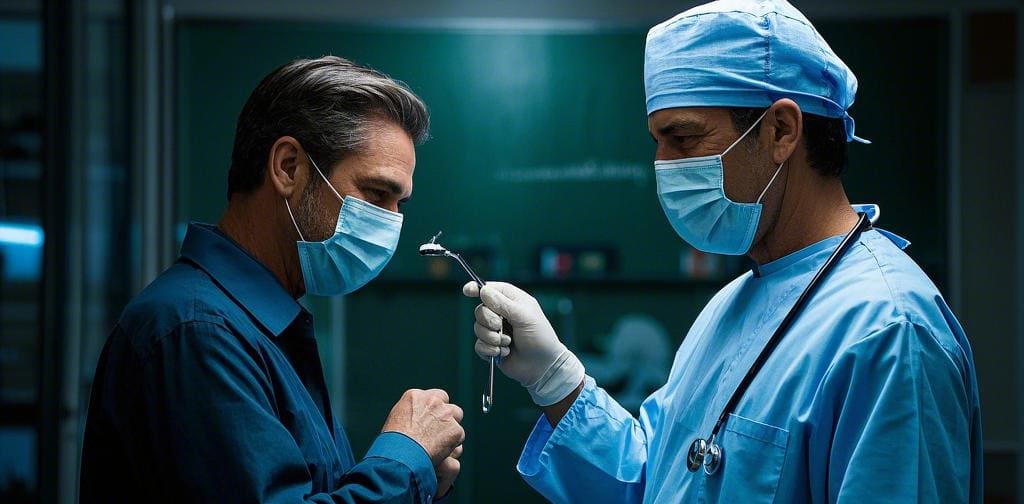
In the dead of night, 32-year-old Phillip was jolted awake by a stabbing pain in his scrotum. It felt like being cut by a knife, paired with a heavy, dragging sensation that drenched him in cold sweat. His first thought: “Could this be epididymitis?”
Many men share similar concerns in daily life. When sudden scrotal pain and discomfort strike, epididymitis is often the first suspicion. But is scrotal pain and discomfort always caused by epididymitis?
Epididymitis is a common disease of the male reproductive system. It is indeed one of the main causes of swelling and pain in the scrotum. Epididymitis is mainly divided into acute and chronic forms. Acute epididymitis strikes suddenly, often spreading from urinary tract infections, such as urethritis or cystitis. Bacteria travel backward up the vas deferens, invading the epididymis and causing inflammation. Patients typically experience rapid scrotal swelling, severe pain that worsens significantly when touched and may also have systemic symptoms like fever and chills. The pain isn't confined to the scrotum; it can radiate to the groin and lower abdomen, severely affecting the patient's movement and daily life.
Chronic epididymitis often develops from unresolved acute epididymitis or can be caused by long-term urinary tract instrumentation, such as indwelling catheters. Symptoms of chronic epididymitis are relatively milder. The pain is usually a dull ache or heavy sensation, varying in intensity. There may be mild swelling in the scrotum. The epididymis becomes thicker and harder, and this abnormality can be felt clearly during examination. Because the symptoms are less severe, many patients tend to overlook them, leading to recurring illness and increased treatment difficulty.
However, scrotal pain and discomfort are not solely the "handiwork" of epididymitis. Several other conditions require vigilance.
Testicular torsion is an extremely dangerous situation, mostly occurring in adolescents, often striking suddenly after vigorous activity or during sleep. Testicular torsion happens when the testicle and spermatic cord twist along their axis, cutting off the testicle's blood supply. The patient experiences intense testicular pain, far exceeding that of epididymitis, and scrotal redness and swelling develop quickly. If not treated promptly within 6 hours, the testicle may become necrotic due to lack of blood and require removal, severely impacting fertility and male health.
Epididymo-orchitis is another common cause of scrotal pain. Its symptoms are similar to epididymitis, but the pain covers a wider area, and the testicle also shows obvious swelling and tenderness. Furthermore, varicocele should not be ignored. It results from the abnormal dilation, elongation, and twisting of the pampiniform plexus of veins within the spermatic cord, which obstructs blood flow back. Patients experience a heavy, dragging sensation or dull ache in the scrotum when standing or walking, which worsens with exertion or prolonged standing and eases when lying down to rest. Some patients may also experience sexual dysfunction and infertility.
How to Tell If It's Epididymitis?
First, make a preliminary distinction based on symptoms. If it's epididymitis, besides scrotal pain, there may also be urinary symptoms like frequent urination, urgency, or painful urination, along with systemic symptoms like fever. In contrast, testicular torsion pain is much more severe and sudden, usually without obvious urinary symptoms. Varicocele pain typically worsens after activity and eases with rest.
Second, seeking timely medical attention for professional examination is key. Doctors will typically perform a physical exam, carefully examining the scrotum to assess the shape, size, and texture of the epididymis and testicles and checking for tenderness. An ultrasound scan will also be arranged. Ultrasound clearly visualizes the internal structure and blood flow of the epididymis and testicles, which is highly significant for diagnosing conditions like epididymitis, testicular torsion, and varicocele. If necessary, conduct blood tests to check indicators such as white blood cell count to determine if an infection is present.
If diagnosed with epididymitis, there's no need for excessive panic. Patients with acute epididymitis need bed rest; elevating the scrotum helps reduce the dragging sensation. In the early stage, a cold compress can be used to relieve pain. Later, a hot compress should be applied to facilitate the absorption of inflammation. At the same time, antibiotic treatment, under a doctor's guidance, is used to combat the infection. Medication must be taken in sufficient dosage and for the full course to eliminate the bacteria and prevent the condition from becoming chronic.
Treating chronic epididymitis is more complex. Besides common medications, patients can choose traditional Chinese medicine like the Diuretic and Anti-inflammatory Pill. Its effects of clearing heat, detoxifying, promoting blood circulation, and resolving stasis can effectively eliminate various pain symptoms, address the root cause, and achieve a complete cure. Meanwhile, patients can also combine this with physical therapies, such as infrared radiation or microwave therapy, to improve local blood circulation and promote the reduction of inflammation.
The reasons behind scrotal pain and discomfort are complex, and epididymitis is only one of them. When such symptoms occur, male friends must not take them lightly or attempt self-diagnosis without guidance. They should promptly go to a regular hospital for examination, identify the cause, and receive scientifically standardized treatment to safeguard their reproductive health.
About the Creator
Health For You
Health For You! haring simple, practical wellness tips to help you thrive. Making health approachable, one story at a time!
Keep reading
More stories from Health For You and writers in Men and other communities.
The Hidden Link Between Prostate Pain and Premature Ejaculation: What Most Men Don’t Realize
“It’s probably just stress,” Ben told himself. At 36, he had a decent job, a stable relationship, and a healthy lifestyle—on the surface. But beneath the surface, things weren’t so smooth. For months, he’d been dealing with nagging pelvic pain, frequent urination, and something even harder to talk about: premature ejaculation.
By Health For You7 months ago in Men
The Fortune in the Mop Bucket: The Janitor Who Secretly Funded a Stranger's Future
The halls of a high school after dark are a strange, liminal space. During the day, they are a cacophony of slamming lockers, shouting teenagers, and the squeak of sneakers. But after 4:00 PM, when the last bus pulls away and the teachers pack up their grading, the building exhales. It becomes a cavern of silence, smelling of floor wax, stale chalk dust, and industrial cleaner.
By Frank Massey 7 days ago in Men


Comments
There are no comments for this story
Be the first to respond and start the conversation.