
Ignoring Prostate Problems? Beware of Silent Warnings to Your Sexual Health
Prostate Problems and Sexual Health

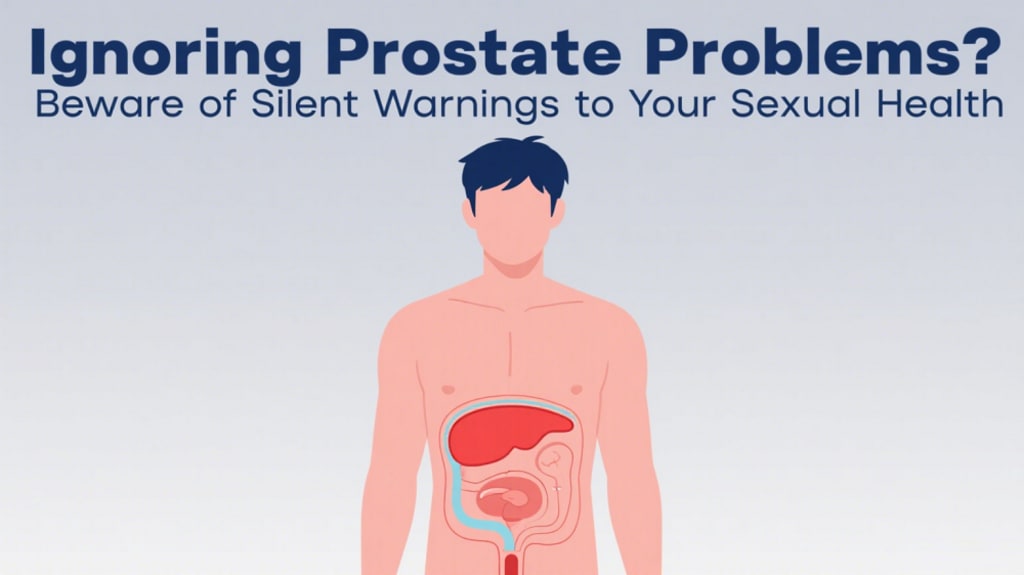
In the male body, the prostate is often described as a “life gland.” Though small and easily overlooked, it plays a vital role in both urinary health and reproductive function. Yet many men pay little attention to prostate issues, dismissing frequent urination or urgency as minor inconveniences that will pass on their own. What they don’t realize is that prostate health is closely tied to sexual performance. Long-term neglect of prostate problems can quietly trigger sexual dysfunction, ultimately reducing quality of life.
Why the Prostate Matters for Sexual Health
The prostate is located just below the bladder and surrounds the upper part of the urethra. It secretes prostatic fluid, an essential component of semen that nourishes sperm and enhances their mobility—making it key to fertility. In addition, the prostate is surrounded by a rich network of blood vessels and nerves closely linked to erection and ejaculation. When the prostate becomes diseased, it can trigger a domino effect, disturbing these processes and impairing sexual function.
Common Prostate Problems and Their Hidden Risks
Two of the most frequent prostate conditions are prostatitis and benign prostatic hyperplasia (BPH).
Prostatitis is common among younger and middle-aged men. Lifestyle habits such as prolonged sitting, lack of sleep, holding urine, or unprotected sex may cause chronic congestion of the prostate, leading to inflammation. Initially, symptoms may appear mild—like frequent urination, urgency, or burning sensations—but untreated inflammation can irritate nearby nerves, cause pelvic floor muscle tension, and disrupt blood flow to the penis. Many men with chronic prostatitis eventually experience erectile difficulties or premature ejaculation. These are warning signs that prostate inflammation is interfering with sexual function.
BPH, on the other hand, is more prevalent among older men. With age, prostate cells proliferate, enlarging the gland and compressing the urethra. Symptoms include weak urine stream, frequent nighttime urination, and incomplete bladder emptying. Some men dismiss BPH as a “normal part of aging,” but it can seriously affect sexual performance. The enlarged prostate presses on surrounding blood vessels and nerves, hindering normal blood circulation needed for erections. Over time, the frustration of urinary difficulties can also fuel anxiety and irritability, creating a cycle of physical discomfort → psychological stress → sexual dysfunction.
The Silent Progression of Sexual Dysfunction
Unlike acute illnesses that strike suddenly, prostate-related sexual dysfunction often develops gradually. At first, a man may notice mild discomfort in the perineum after intercourse. Later, he might experience weaker erections, and eventually, more severe problems such as painful ejaculation or even complete erectile failure. By the time medical help is sought, treatment can become more challenging, and full recovery may be difficult.
Early Detection and Treatment Are Key
The best way to prevent sexual dysfunction from prostate issues is early recognition and timely intervention. Men should pay attention to warning signs such as frequent urination, incomplete bladder emptying, pelvic heaviness, lower back pain, or changes in sexual function. Visiting a qualified urologist or men’s health specialist for examinations—such as prostate fluid analysis or ultrasound—helps identify the underlying cause and guide treatment.
In addition to conventional therapies like antibiotics, herbal options such as the Diuretic and Anti-inflammatory Pill have shown promising results, particularly in managing chronic inflammation. This natural formulation works to reduce pelvic congestion, improve circulation, and relieve urinary symptoms—while supporting overall prostate and sexual health.
Lifestyle Habits to Protect the Prostate
Daily habits make a significant difference in long-term prostate health:
Avoid prolonged sitting: Stand and move every hour to ease pelvic pressure.
Stay hydrated: Drink 1,500–2,000 ml of water per day to flush bacteria and maintain urinary tract health.
Maintain regular sleep: Adequate rest supports immune and prostate function.
Practice balanced sexual activity: Avoid both excessive indulgence and prolonged abstinence to maintain healthy prostate metabolism.
Final Thoughts
Prostate health is one of the cornerstones of male sexual well-being. Ignoring small problems today may lead to major dysfunction tomorrow. By staying alert to early warning signs, adopting healthy habits, and seeking timely treatment when needed, men can protect not only their prostate but also their confidence, relationships, and overall quality of life.
About the Creator
Men's Health
Sharing valuable insights on men's health—covering everything from wellness tips to common health concerns. Stay informed and take control of your well-being!
Keep reading
More stories from Men's Health and writers in Men and other communities.
How TCM Acupuncture Eases Urinary Urgency and Frequency in Chronic Prostatitis
If you’ve ever mapped your day around bathrooms, you know how disruptive urinary urgency and frequency can be—especially with chronic prostatitis. The constant urge, the nighttime trips, the dull pelvic ache that never quite goes away—it adds up. While antibiotics and pain relievers have their place, many men want something more holistic to calm the bladder and ease pain. That’s where traditional Chinese medicine (TCM) acupuncture can be surprisingly helpful.
By Men's Health5 months ago in Men
DM Danny: How Discipline and Trust Built a Powerhouse in South Florida Real Estate
South Florida’s real estate market is fast-paced, competitive, and unforgiving. Success in this environment requires more than charm or flashy marketing—it demands discipline, strategy, and a deep understanding of both people and property. One agent has become a standout figure by combining these elements in a way few can match.
By Dena Falken Esq2 days ago in Men




Comments
There are no comments for this story
Be the first to respond and start the conversation.