


According to the US Fish and Wildlife Service, every year 13.7 million people are registered hunters, with each one spending more than $2,000 per trip. Hunting is big business in America, creating an industry that earns $25 billion a year. Most people as young as 10 years old will participate in this activity, with a few states allowing those younger to join in. Even if you don’t catch anything, merely spending a weekend out in the forest is great for your health. It can strengthen your immune system, regain your focus, and reduce your blood pressure just to name a few benefits. If you are new to hunting, here are some tips to make your first trip a successful one.
The Paperwork

This part varies based on which state you live in, so it is written as broadly as possible to give you a basic understanding, without citing exacts. Before heading out on any hunting trip, you’ll need to visit the store you are getting your supplies from to acquire a hunting license. Here, they’ll explain the rules you have to follow based on the particular animal you are planning to hunt. To prevent overhunting states have laws in effect to protect animals from this. Other fees may apply based on the type of weapons you plan to use, your age, how many years you plan to hunt, the animal you’re hunting, and so on. If you have questions or concerns, this is the time to ask.
Packing For The Trip
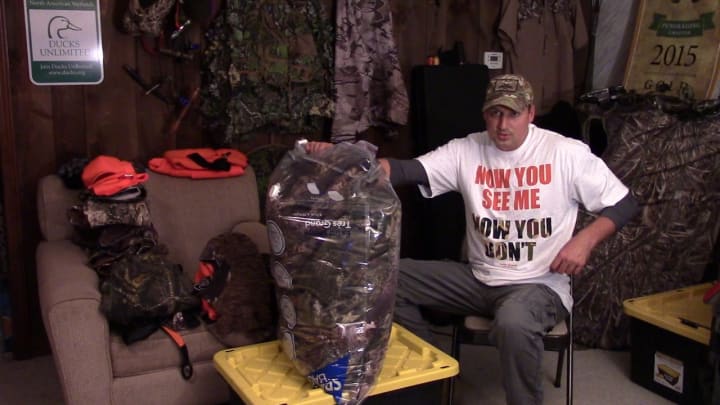
Hunting requires you to spend a few days away from home, so keep this in mind when buying essentials such as food, water, clothing, etc.. Invest in a good quality knife as this will be your most important tool. Also, sturdy leather, weatherproof boots to handle all the walking you’ll be doing out in the woods trekking prey. Game bags are reusable and stronger than trash bags. Animals can carry diseases that have been known to affect humans, so while processing the game, make sure you wear rubber gloves. While hunting game, bugs will be hunting you. Get good quality bug spray designed for hunters. Same with sunscreen.
Picking A Spot

Where you pitch your camp could mean the difference between success and failure out in the field. The first thing you need to know in picking up the best spot is what is the terrain going to be like. To find the animal you are hunting, you’ll need to first think like them. You’ll need to know what the habitat looks like, where they eat and drink, and how they travel. Mark these locations on your map, so that when the day arrives, you’ll know where to start looking for them. Most hunters will pitch a special type of camp called a Ground Blind. A Ground Blind is a makeshift temporary structure designed to help conceal hunters from animals. They can be made or bought at the hunting store.
This Is Private Property
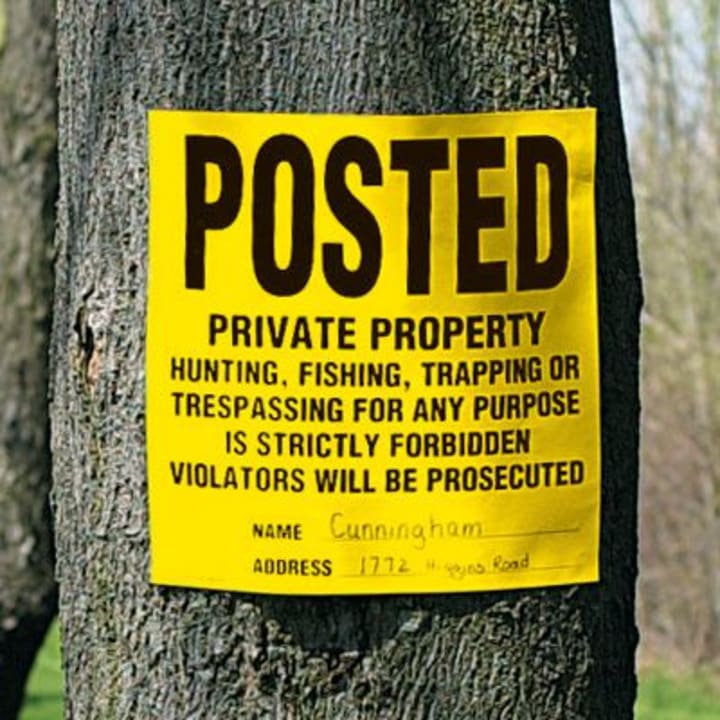
Again, this varies based on your state. If you have in-depth questions, contact your state’s Wildlife Division, or wherever you apply to get your license. If you think your party will end up on private property, you must secure the owner’s permission before trespassing to hunt. To obtain this, you’ll need to reach out to the rightful owner of the property to complete the appropriate paperwork. You can find out who the owner is by putting in a public records request at your county clerk or local assessor’s office. The local library might have a public records office for you to browse. It’s ill-advised you show up on their porch unannounced. Instead, send a certified letter to arrange an in-person meeting.
Heading Out

Today is the big day! The paperwork is filed; the car is packed, and the blind is set, but there are a few ground rules you’ll need to know while out in the field. First, and most importantly, NEVER shoot at anything you don’t have a clear shot at. Don’t trust your electronics as they tend to malfunction at the worst time. Check the weather forecast for out in the field so you dress for the worst thing you’ll encounter. In most states, you are legally required to wear something colored blaze orange. This lets other hunters know where you are and that you are not prey sneaking up on them. Set up a designated meeting spot and time for the group to gather at the end of the day to make sure everyone gets home safely.
About the Creator
M.L. Lewis
Welcome to my little slice of pie. This blog will primarily focus on prepping and homesteading skills with a sprinkle of fiction every now and then.
Keep reading
More stories from M.L. Lewis and writers in Men and other communities.
Surviving The Big Wave
A tsunami is a series of deadly ocean waves caused by an underwater earthquake, landslide, volcanic eruption, or meteor impact. Any event that displaces a large amount of water will result in a tsunami. On average, the world will experience at least two of them causing minor damage to the coastal areas they hit with a devastating ocean-wide one occurring every fifteen years. They can happen in any ocean with 80% of them occurring in the Pacific Ocean around the “Ring Of Fire” region. Tsunamis kill more than 50,000 people in these minor events every year, and in some cases millions, if it’s big enough. November 5th is Tsunami Awareness Day, so here are some survival tips you can use to survive these gigantic waves.
By M.L. Lewis2 years ago in Earth
5 Subtle Signs of Strong Reproductive Vitality in Men
There’s an old saying that the body whispers before it shouts. We’re conditioned to measure health in loud, obvious metrics: the number on a scale, the definition of a bicep, the results of a blood test. But true vitality—the kind that fuels not just daily energy but our very biological potential—often manifests in quieter, more subtle ways.
By namkoong kevin3 days ago in Men
Close Friendships
I met Lou in the spring of 2019. I was recently widowed, trying to find my place in the world without my wife of 39 years. I met him on the tennis court. He was the convener of a mixed doubles drop-in session. I was picking up activities I had not done since I was a teenager. The funeral director had warned me that I needed a social network, that otherwise I would just hang around the house and fade away. We had just moved to a new city four months previous, so this was a concern for me. I had written "Tennis? Bridge?" on a note pad as ideas for meeting people.
By Paul A. Merkley7 days ago in Men


Comments
There are no comments for this story
Be the first to respond and start the conversation.