
Erectile Dysfunction: Causes, Symptoms, and the Best Treatment Options
Erectile Dysfunction
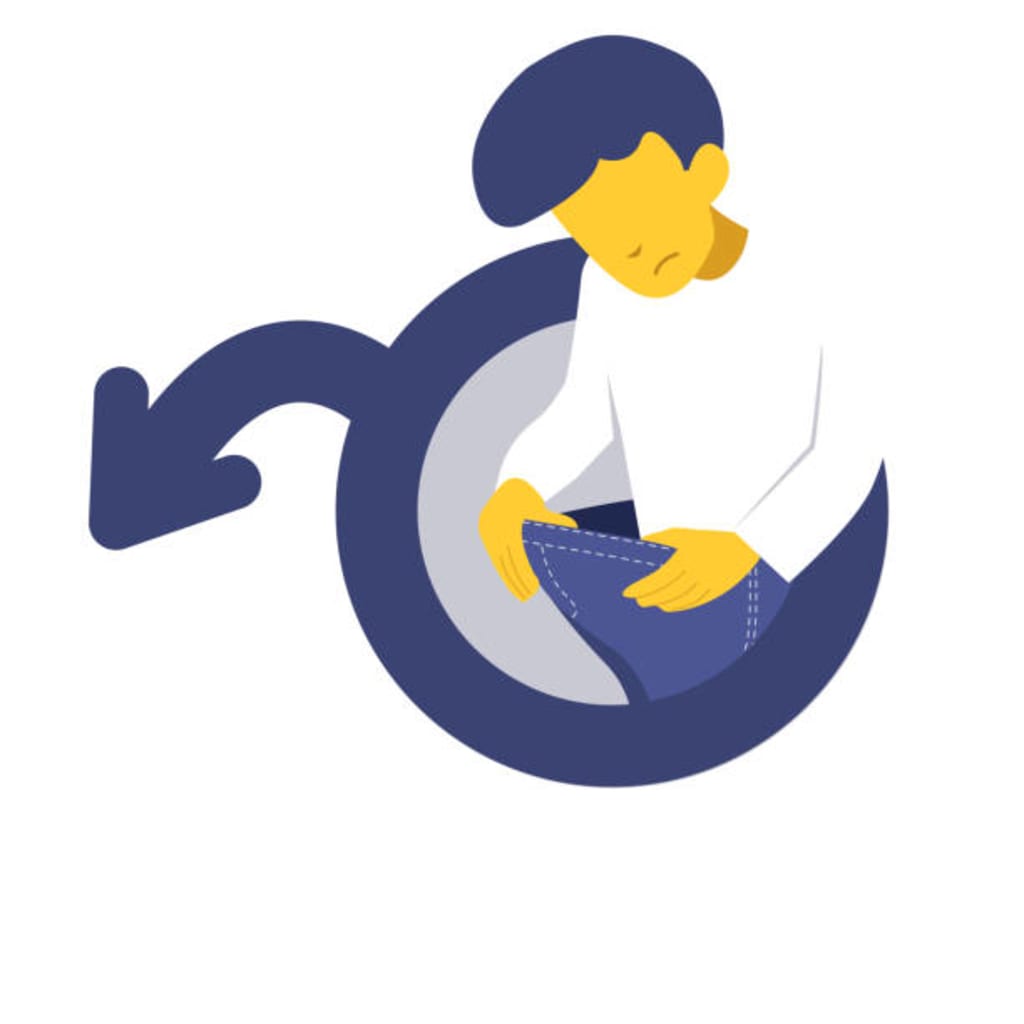
Erectile dysfunction (ED) is a common condition that affects men of all ages, though it becomes more prevalent with age. It is defined as the inability to achieve or maintain an erection sufficient for sexual activity. While occasional difficulties with erections are normal, persistent ED can impact self-esteem, relationships, and overall well-being.
The good news is that erectile dysfunction is treatable in most cases. Understanding the underlying causes and treatment options can help men regain confidence and enjoy a fulfilling sex life.
What Causes Erectile Dysfunction?
Erectile dysfunction can result from physical, psychological, and lifestyle-related factors. Identifying the cause is the first step in finding the right treatment.
1. Physical Causes of ED
ED is often linked to underlying health conditions that affect blood flow, nerve function, or hormone levels. Common physical causes include:
Heart Disease and High Blood Pressure: Reduced blood flow due to clogged arteries or hypertension can make it difficult to achieve an erection.
Diabetes: High blood sugar levels can damage nerves and blood vessels, leading to ED.
Obesity: Excess weight increases the risk of ED by contributing to poor circulation and hormonal imbalances.
Low Testosterone Levels: Testosterone plays a key role in sexual function, and low levels can reduce libido and cause ED.
Neurological Disorders: Conditions such as Parkinson’s disease, multiple sclerosis, and spinal cord injuries can disrupt nerve signals that trigger erections.
Certain Medications: Some antidepressants, blood pressure drugs, and pain medications can cause ED as a side effect.
Substance Abuse: Smoking, excessive alcohol consumption, and recreational drug use can impair blood flow and nerve function.
2. Psychological Causes of ED
Mental health and emotional well-being play a significant role in sexual performance. Common psychological factors that contribute to ED include:
Stress and Anxiety: Work-related stress, financial concerns, or relationship issues can interfere with sexual function.
Depression: A lack of interest in sex and difficulty achieving an erection are common symptoms of depression.
Performance Anxiety: Fear of not satisfying a partner can create a cycle of anxiety and erectile difficulties.
Relationship Problems: Emotional distance, conflicts, or poor communication can affect intimacy.
Symptoms of Erectile Dysfunction
The primary symptom of ED is difficulty in getting or maintaining an erection. Other symptoms may include:
Reduced sexual desire
Softer erections than usual
Difficulty keeping an erection during intercourse
Delayed or premature ejaculation in some cases
If these symptoms persist for several weeks or months, seeking medical advice is crucial.
How Is Erectile Dysfunction Diagnosed?
A doctor will typically diagnose ED through a combination of medical history, physical exams, and tests, including:
Medical History Review: A doctor will ask about symptoms, lifestyle habits, and any underlying health conditions.
Physical Examination: Checking for signs of poor circulation, nerve damage, or hormonal imbalances.
Blood Tests: To assess testosterone levels, blood sugar levels, and heart health.
Urinalysis: To detect diabetes and other potential medical conditions.
Ultrasound: To evaluate blood flow to the penis.
Psychological Assessment: To determine whether stress, anxiety, or depression is contributing to ED.
Best Treatment Options for Erectile Dysfunction
Erectile dysfunction is treatable, and most men can regain normal sexual function with the right approach. Treatment options range from lifestyle changes to medical interventions.
1. Lifestyle Changes to Improve Erectile Function
Regular Exercise: Physical activity improves blood circulation, boosts testosterone levels, and reduces stress.
Healthy Diet: Eating nutrient-rich foods like fruits, vegetables, whole grains, and lean proteins can promote better blood flow.
Quit Smoking: Smoking damages blood vessels and restricts blood flow to the penis.
Limit Alcohol and Avoid Drugs: Excessive alcohol and drug use can impair sexual performance.
Manage Stress and Anxiety: Practicing relaxation techniques like meditation, deep breathing, or yoga can improve sexual function.
Get Enough Sleep: Poor sleep quality can lead to hormonal imbalances that contribute to ED.
2. Medications for Erectile Dysfunction
Several FDA-approved medications can help men achieve and maintain erections:
Sildenafil (Viagra)
Tadalafil (Cialis)
Vardenafil (Levitra, Staxyn)
Avanafil (Stendra)
These medications work by increasing blood flow to the penis, but they should only be used under a doctor’s supervision.
3. Psychological Therapy for ED
If psychological factors contribute to ED, therapy can be highly effective:
Cognitive Behavioral Therapy (CBT): Helps address negative thoughts and anxiety related to sexual performance.
Sex Therapy: A specialist can help men and couples work through psychological barriers to a fulfilling sex life.
Couples Counseling: If relationship problems are affecting intimacy, therapy can improve communication and emotional connection.
4. Medical Procedures and Devices
For men who don’t respond to medications, other treatments are available:
Penis Pumps: A vacuum device that draws blood into the penis to create an erection.
Penile Implants: A surgical option for severe cases of ED.
Blood Vessel Surgery: Recommended for men with vascular problems affecting erections.
Testosterone Therapy: If low testosterone is the cause, hormone replacement therapy may help restore sexual function.
Preventing Erectile Dysfunction
Although ED cannot always be prevented, adopting a healthy lifestyle can significantly reduce the risk:
Maintain a healthy weight and diet.
Exercise regularly to promote good circulation.
Avoid smoking and excessive alcohol use.
Manage stress and mental health.
Get regular medical check-ups to monitor blood pressure, heart health, and hormone levels.
When to See a Doctor
If ED occurs frequently and affects your quality of life, it’s important to seek medical help. ED can be an early warning sign of underlying health conditions like heart disease, diabetes, or hormonal imbalances. A doctor can help determine the cause and recommend the most effective treatment.
Conclusion
Erectile dysfunction is a common but treatable condition. Understanding the causes and exploring treatment options can help men regain confidence and improve their sexual health. Whether through lifestyle changes, medications, therapy, or medical procedures, there are multiple ways to manage and overcome ED.
About the Creator
Keep reading
More stories from writers in Men and other communities.
Constant Urgency and Pelvic Aches? A Gentleman’s Guide to Calming the Prostate
If you are reading this, you probably know the feeling all too well. It’s that nagging sense of urgency that hits you right when you’re trying to focus in a meeting. It’s the disruption of waking up three times a night, shattering your sleep quality. Or perhaps it’s that dull, vague ache in the pelvic region that just won’t seem to go away.
By Men's Health4 days ago in Men
Ukrainians to Face a Bitter Winter Amid Widespread Power Outages
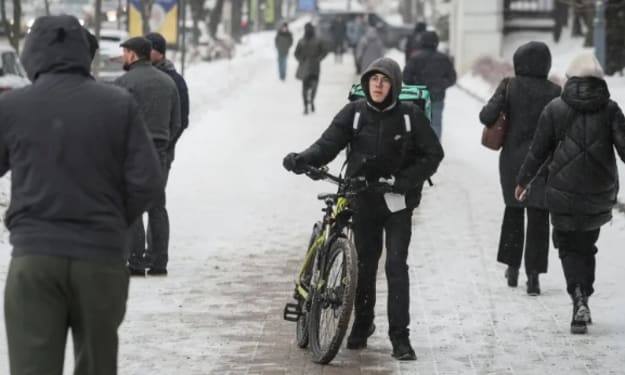
Winter Arrives Without Warmth As winter tightens its grip across Ukraine, millions of citizens are preparing to face freezing temperatures without a basic necessity of modern life: electricity. Power outages caused by sustained attacks on energy infrastructure have transformed winter from a seasonal challenge into a humanitarian emergency. For Ukrainians, the cold is no longer just about weather—it is about survival. With temperatures dropping below freezing and daylight hours shrinking, homes that once provided warmth and safety now struggle to shield families from the elements. The bitter winter ahead threatens not only comfort, but health, dignity, and life itself. A Nation in the Dark Ukraine’s power grid has been repeatedly targeted, leaving cities, towns, and villages in rolling blackouts or complete darkness. Energy facilities, transmission lines, and substations have sustained extensive damage, forcing authorities to ration electricity to keep the system from total collapse. In major cities, residents face scheduled power cuts lasting hours or even days. In rural areas, outages are often longer and harder to repair. Elevators stop working, water pumps fail, and heating systems shut down—turning everyday tasks into exhausting struggles. Electricity, once taken for granted, has become a precious resource carefully measured and shared. The Human Cost of Cold The most vulnerable groups—children, the elderly, and the sick—are bearing the heaviest burden. Without reliable heating, hypothermia becomes a real risk, even indoors. Hospitals and clinics operate on backup generators, but fuel shortages add another layer of uncertainty. Parents bundle children in layers of clothing inside their own homes. Families sleep in the same room to conserve warmth. Candles, gas burners, and improvised heaters are used despite safety risks, increasing the danger of fires and carbon monoxide poisoning. Winter exposes inequality in survival—those with resources cope, while others endure. Cities Adapt, Communities Unite Despite the hardship, Ukrainians are responding with resilience and innovation. Authorities have established “warming centers” where people can charge devices, access heat, and receive hot meals. Public buildings, schools, and metro stations are repurposed as shelters against the cold. Neighbors share generators, blankets, and food. Volunteers distribute firewood and thermal clothing. In darkness, community bonds grow stronger, proving that solidarity can provide warmth when electricity cannot. This collective effort reflects a society determined not to freeze—physically or emotionally. Infrastructure as a Battlefield Energy infrastructure has become a strategic target in modern warfare. Disabling power systems weakens economies, disrupts daily life, and pressures governments without direct confrontation on the battlefield. For Ukraine, the attacks on power facilities are not random—they are systematic. Each damaged transformer or power station increases civilian suffering, turning winter itself into a weapon. Experts warn that rebuilding under constant threat is a slow and dangerous process, requiring international support, technical expertise, and time—luxuries scarce in wartime. Economic and Psychological Impact Beyond physical cold, power outages bring economic paralysis. Businesses shut down or operate at limited capacity. Remote work becomes impossible. Small enterprises—already struggling—face collapse. Psychologically, the darkness weighs heavily. Long nights without light amplify fear, anxiety, and exhaustion. The uncertainty of when power will return creates chronic stress, particularly for families already traumatized by war. Winter, once a season of rest and reflection, has become a test of mental endurance. International Aid and Limitations International partners have pledged support, sending generators, fuel, and repair equipment. Aid organizations work tirelessly to deliver winterization kits, thermal supplies, and emergency assistance. Yet logistics remain challenging. Repair crews work under threat, supplies move slowly, and demand far exceeds availability. While global solidarity is visible, it cannot fully replace a functioning national grid. Aid helps Ukrainians endure—but survival still depends largely on internal resilience. Lessons in Endurance History has shown that wars are not only fought with weapons, but with endurance. Ukraine’s struggle through winter reflects a deeper truth: resilience is built not only by infrastructure, but by people. Each lit candle, shared heater, and warm meal represents defiance against despair. Ukrainians are not merely surviving the winter—they are resisting the idea that hardship can break their spirit. Looking Ahead: A Winter of Uncertainty As winter progresses, the situation remains unpredictable. Weather conditions may worsen, attacks may continue, and resources may stretch thinner. Yet Ukrainians continue to adapt, plan, and hope. The coming months will test not just physical endurance, but national resolve. Whether in darkness or light, Ukraine’s people face winter with courage forged by necessity
By Zahid Hussain2 days ago in Men



Comments
There are no comments for this story
Be the first to respond and start the conversation.