
Effects of abstinence on male health
Does abstinence affect prostate cancer risk and penis Size?
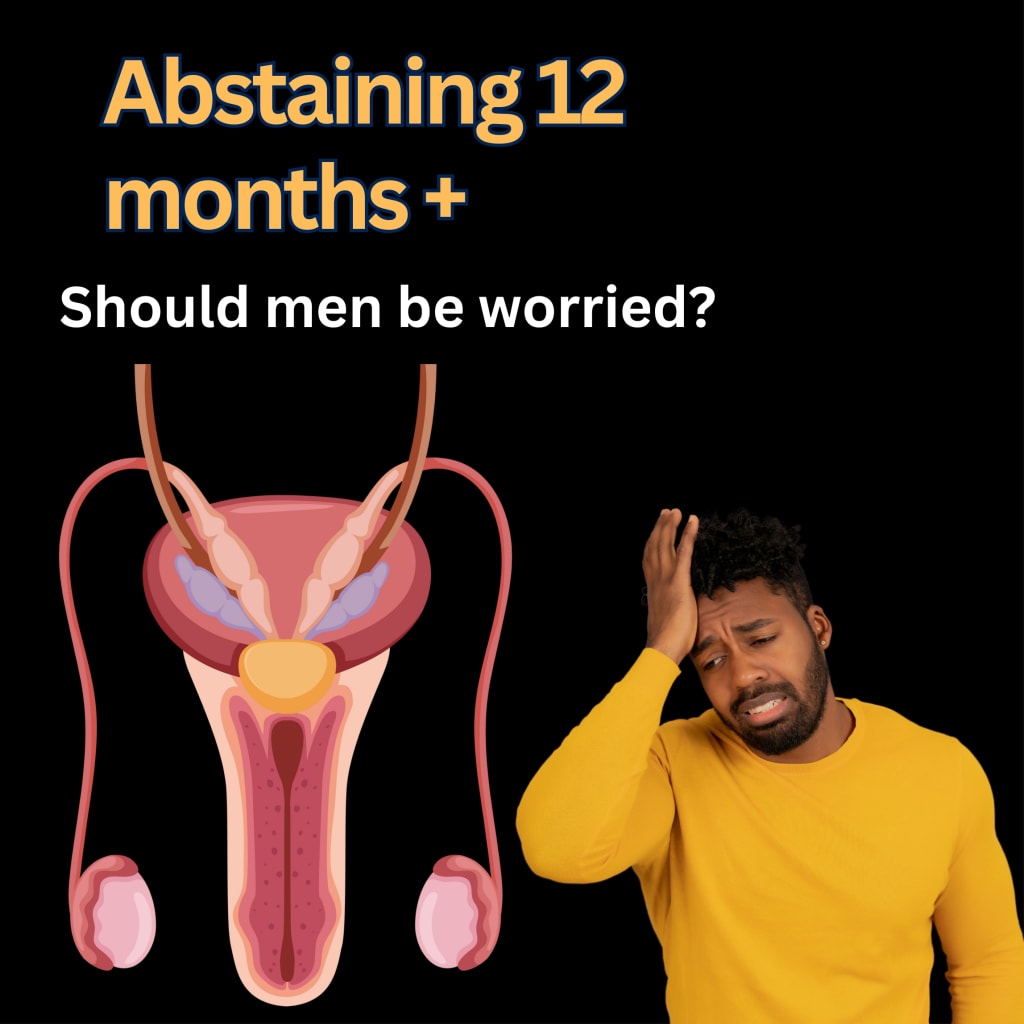
What Happens to Men’s Bodies When They Abstain from Sexual Activity for a Long Time?
Have you ever wondered what happens to a man’s body when he abstains from sexual activity for an extended period? Questions like "What happens to sperm if there’s no ejaculation?", "Does abstinence affect the size of the penis?", and "Is there a connection between infrequent ejaculation and prostate health?" often come up in discussions about male sexual health.
In this blog post, we will delve into these topics with an evidence-based perspective, exploring the physical, hormonal, and emotional effects of prolonged sexual inactivity in men. Let’s uncover the truths and debunk the myths.
----------------------------------------------------------------------------------------------------------
1. What Happens to Sperm During Prolonged Abstinence?
One of the most common questions is: Does sperm accumulate if a man abstains from sex for a long time? The answer is straightforward—nothing alarming happens to the sperm. Here’s a breakdown:
Sperm Production is Continuous: Once a male hits puberty, the testes continuously produce sperm until the end of life. The unused sperm is eventually reabsorbed into the body in a natural recycling process.
No Harm to Semen Quality: Semen, the fluid that carries sperm, remains unaffected during periods of abstinence. However, over time, sperm motility (movement) might decline slightly due to aging sperm cells.
Wet Dreams as a Release Mechanism: The body has a way of “offloading” excess sperm. Many men experience nocturnal emissions or "wet dreams" during long periods of abstinence.
In summary, sperm recycling is a natural process, and the body ensures no sperm goes to waste.
----------------------------------------------------------------------------------------------------------
Does Abstinence Impact Penis Size or Function?
Contrary to popular belief, staying abstinent does not directly shrink the penis. However, here are some related facts:
Atrophy vs. Hypertrophy: Just like muscles, unused parts of the body may experience slight atrophy (shrinking). This only happens in extreme cases, such as decades of abstinence or significant weight gain, which can affect overall circulation and muscle tone.
Temporary Changes in Sensitivity: Men who abstain for very long may notice heightened sensitivity during their first sexual encounter after a break. This can result in quicker ejaculation, which is temporary and improves with regular activity.
Morning Erections as a Sign of Health: Even in periods of abstinence, a healthy man should still experience morning erections due to elevated testosterone levels in the early hours.
For most men, size and function remain unchanged during abstinence.
----------------------------------------------------------------------------------------------------------
3. Hormonal Changes and Libido
Sexual activity—or the lack thereof—has a direct impact on hormones like testosterone and dopamine. Here’s how:
Testosterone Levels: Studies show mixed results. Some suggest abstinence slightly increases testosterone levels, while others show no significant change. Regular sexual activity, however, has been associated with overall mood stabilization and vitality.
Oxytocin and Dopamine: These hormones are released during sexual activity, fostering feelings of love, bonding, and happiness. Abstinence may result in lower levels of these hormones, potentially causing loneliness or mood swings.
While long-term abstinence won’t harm hormone production, it might lead to a temporary decrease in libido and emotional well-being.
----------------------------------------------------------------------------------------------------------
4. Is There a Link Between Abstinence and Prostate Cancer?
Whether Abstinence increases the risk of prostate issues has been extensively studied:
Prostate Health and Ejaculation: Research suggests that regular ejaculation (21 times or more per month) may reduce the risk of prostate cancer and benign prostatic hyperplasia (BPH). This is thought to be due to the clearing out of potentially harmful substances from the prostate.
Abstinence Risks: While there’s no direct evidence linking abstinence to prostate cancer, infrequent ejaculation could lead to stagnation of fluids in the prostate, which may increase susceptibility to infections or inflammation.
Although more studies are needed for definitive conclusions, regular ejaculation seems to contribute positively to prostate health.
--------------------------------------------------------------------------------------------------
5. Sexual Activity vs. Abstinence: The Emotional Effects
Sexual activity is often linked to emotional and psychological well-being. Prolonged abstinence can have subtle effects on a man’s mental health:
Feelings of Loneliness: Men who abstain for long periods may experience feelings of isolation due to the lack of bonding hormones like oxytocin.
Increased Sexual Fantasies and Wet Dreams: These are natural mechanisms to release pent-up sexual energy.
Reduced Sexual Desire Over Time: While libido remains stable for short-term abstinence, long-term inactivity can lead to a gradual decline in sexual desire.
Staying connected with a partner or engaging in regular communication about sexual needs can help mitigate these emotional effects.
----------------------------------------------------------------------------------------------------------
6. Abstinence and Fertility: Can It Affect Gender Chances?
There’s an intriguing claim that abstinence might slightly influence the chances of conceiving a female child. A study analyzing sperm samples before and after 10 days of abstinence found a marginal (2%) increase in X-chromosome-carrying sperm (responsible for female offspring). However, this percentage is too small to make a significant difference.
It’s a fun fact but not something to base family planning decisions on.
----------------------------------------------------------------------------------------------------------
7. Masturbation vs. Abstinence: Pros and Cons
Masturbation can serve as an alternative to sexual intercourse during abstinent periods. Here are some points to consider:
Pros: It helps release built-up sexual tension, reduces stress, and may improve sleep.
Cons: Excessive masturbation can lead to dependency, desensitization, and reduced interest in actual sexual relationships.
Moderation is key to reaping the benefits without falling into habitual patterns.
----------------------------------------------------------------------------------------------------------
8. Sexual Activity in Other Mammals: The Case of Dolphins
Did you know dolphins also engage in sexual activity for pleasure, not just reproduction? They even mate with pregnant dolphins! This fascinating behavior is a reminder that sexual activity in mammals often transcends mere procreation and contributes to social bonding.
----------------------------------------------------------------------------------------------------------
9. Final Thoughts on Abstinence and Male Sexual Health
While abstinence doesn’t directly harm a man’s health, it can lead to minor physical, hormonal, and emotional changes. Here’s a summary of what to expect during prolonged periods of sexual inactivity:
Sperm: Naturally recycled by the body.
Penis Size: No significant changes unless paired with aging or other factors.
Hormones: Slight reduction in oxytocin and dopamine levels, potentially impacting mood.
Prostate Health: Regular ejaculation may lower the risk of prostate cancer.
Emotional Impact: Increased likelihood of loneliness or temporary dips in libido.
Remember, sexual health is deeply personal. Whether you’re abstinent by choice or circumstance, understanding your body’s responses can help you maintain overall well-being.
----------------------------------------------------------------------------------------------------------
Share Your Experience!
Have you ever experienced a long period of abstinence? What changes did you notice in your body or mind? Share your thoughts in the comments below. Let’s keep the conversation going!
By discussing these topics openly, we can break taboos and promote a better understanding of male sexual health. Stay informed, stay healthy, and remember—sexual health is just one part of a balanced, fulfilling life.
----------------------------------------------------------------------------------------------------------
About the Creator
Keep reading
More stories from Kehinde Adesina and writers in Men and other communities.
Could Time just be an Illustration and not Real?
Is Time Real or Just an Illusion? Exploring Einstein, Block Universes, and More Time is something we all experience, but what if it’s not what we think it is? For most of us, time feels like a one-way street, always pulling us forward, moment by moment, from the past into the future. We build our lives around it—planning, remembering, and anticipating—trusting it to follow a steady rhythm. Yet, the more scientists and philosophers study time, the more mysterious it becomes. Could time be more like a magician’s trick, a cleverly crafted illusion that deceives our senses? Or is it a fundamental fabric of reality, weaving together space and existence? The answers may challenge everything we think we know about the universe and our place in it. ----------------------------------------------------------------------------------------------------------
By Kehinde Adesinaabout a year ago in Fiction
Prostate Paradox: Why Your Bedroom Rhythm Matters More Than You Think
It used to be a whisper in the locker room—the "unspeakable" trouble. But today, prostate issues have become as common among men as the seasonal flu. Whether it’s that nagging urge to visit the bathroom frequently, a sudden urgency, or a dull ache in the lower abdomen, these symptoms are no longer just an "old man's problem."
By Amanda Chou3 days ago in Men
Constant Urgency and Pelvic Aches? A Gentleman’s Guide to Calming the Prostate
If you are reading this, you probably know the feeling all too well. It’s that nagging sense of urgency that hits you right when you’re trying to focus in a meeting. It’s the disruption of waking up three times a night, shattering your sleep quality. Or perhaps it’s that dull, vague ache in the pelvic region that just won’t seem to go away.
By Men's Healtha day ago in Men


Comments
There are no comments for this story
Be the first to respond and start the conversation.