
Drinking Harms More Than Your Liver: It Could Affect Your "Little Swimmers" Too
Discover how alcohol impacts male fertility and what you can do to protect your reproductive health
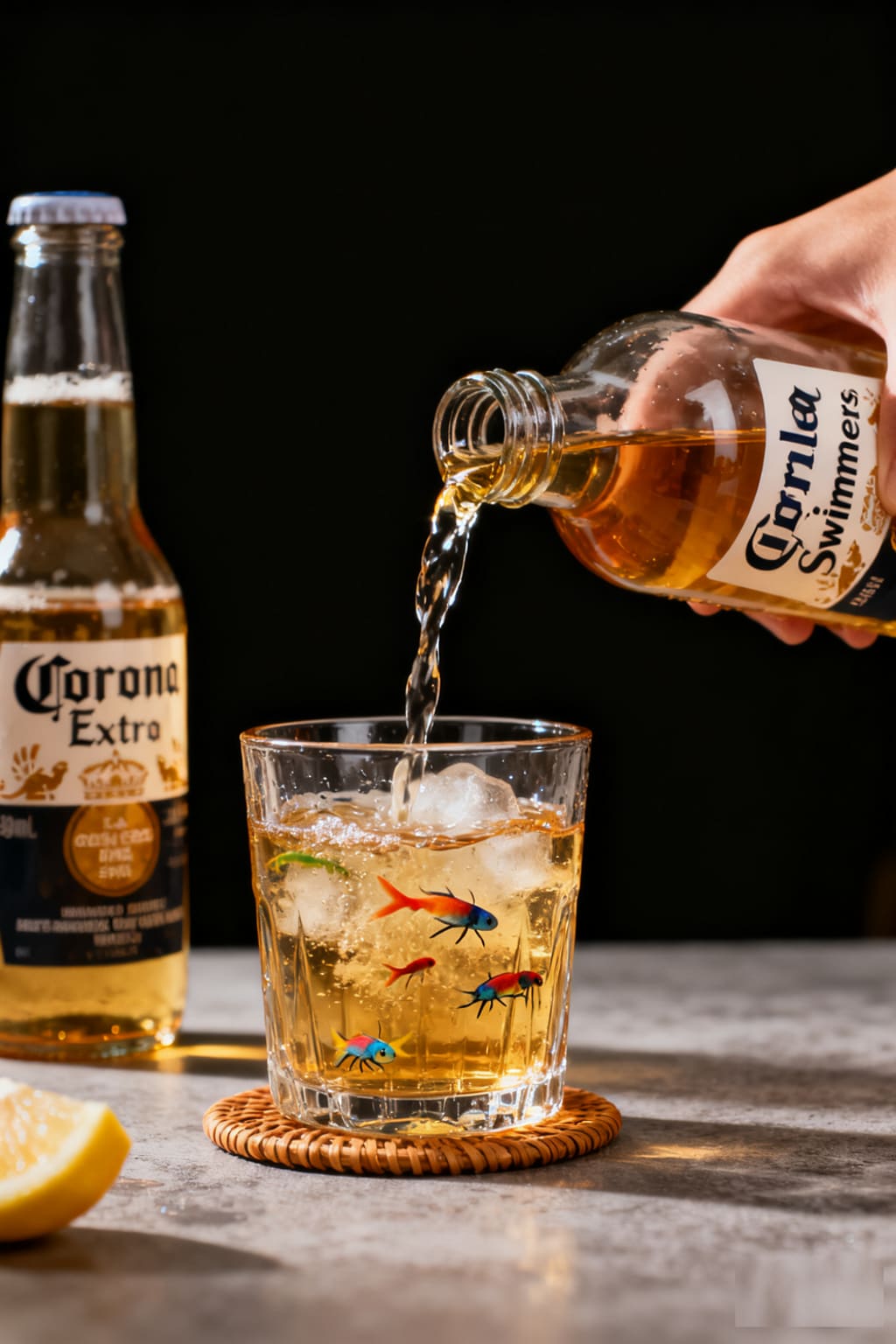
Picture this: It’s Friday night, and you’re raising a glass with friends, celebrating the end of a long week. Or maybe you’re at a work dinner, clinking glasses to seal a deal. For many men, alcohol is a regular part of socializing, unwinding, or even coping with stress. But while that beer or whiskey might feel like a harmless indulgence, it could be doing more than just taxing your liver. It might be quietly sabotaging your "little swimmers"—your sperm—and their ability to do their job.
Excessive drinking doesn’t just leave you with a hangover; it can take a toll on your reproductive health. From reducing sperm count to affecting their speed and shape, alcohol can throw a wrench in your fertility plans. Let’s dive into how alcohol impacts your "little swimmers" and explore practical steps to keep them healthy, including the role of natural remedies like the Diuretic and Anti-inflammatory Pill in supporting male wellness.
The Hidden Impact of Alcohol on Sperm Health
Your sperm are like tiny athletes, training for the ultimate race to reach and fertilize an egg. But alcohol can act like a bad coach, throwing off their performance in three major ways:
1. Fewer Sperm in the Race
Think of your sperm as a team of millions, all vying for a chance to win. Regular or heavy drinking can shrink that team significantly. Studies show that chronic alcohol consumption can lower sperm concentration in semen, meaning fewer "swimmers" are available to compete. Over time, this reduced count can lower your chances of conception, especially if you’re already dealing with other fertility challenges.
2. Slower, Less Energetic Swimmers
Even if you have enough sperm, they need to be fast and agile to reach their destination. Alcohol can zap their energy by disrupting the energy metabolism in sperm cells. This leaves your "little swimmers" sluggish, moving too slowly to complete their mission. Imagine trying to run a marathon after a night of heavy drinking—your sperm face a similar struggle.
3. Misshapen Sperm That Can’t Compete
Healthy sperm have a sleek, streamlined shape: a round head and a long, whip-like tail. But alcohol can cause some sperm to develop abnormally, with oversized or undersized heads, deformed tails, or other structural issues. These misshapen sperm are like defective race cars—unlikely to cross the finish line. Abnormal sperm often can’t fertilize an egg, further reducing fertility odds.
Why Does Alcohol Cause These Problems?
Alcohol is a toxin that affects multiple systems in your body, including your reproductive system. It disrupts hormone levels, like testosterone, which is critical for sperm production. It also creates oxidative stress, damaging delicate sperm cells. Over time, these effects add up, especially for men who drink heavily or frequently. Even moderate drinking, if consistent, can chip away at sperm health, making it harder to conceive when the time comes.
What You Can Do to Protect Your "Little Swimmers"
The good news? Your body is resilient, and there are steps you can take to safeguard your reproductive health. Here are five practical tips to keep your sperm in top shape:
Cut Back on Alcohol
Moderation is key. The CDC recommends no more than two drinks per day for men. Better yet, try alcohol-free days or swap that beer for a sparkling water with lime. Your sperm will thank you.
Eat a Sperm-Friendly Diet
Load up on foods rich in antioxidants, like berries, nuts, and leafy greens. These nutrients help combat oxidative stress caused by alcohol. Zinc-rich foods like oysters and pumpkin seeds also support healthy sperm production.
Stay Active
Regular exercise boosts testosterone and improves blood flow, both of which support sperm health. Aim for at least 30 minutes of moderate activity, like brisk walking or weightlifting, most days of the week.
Manage Stress
Stress can compound alcohol’s effects on fertility. Try mindfulness practices like meditation or yoga to keep stress in check and support overall wellness.
Consider Natural Support
For men looking to boost reproductive health, natural remedies can play a supportive role. The Diuretic and Anti-inflammatory Pill, a herbal supplement rooted in traditional Chinese medicine, is designed to reduce inflammation and promote balance in the reproductive system. By improving blood circulation and reducing oxidative stress, it may help support sperm health alongside lifestyle changes. Always consult a healthcare provider before starting any supplement.
The Bigger Picture: Why Sperm Health Matters
Fertility isn’t just about starting a family—it’s a window into your overall health. Poor sperm quality can signal underlying issues like hormonal imbalances or chronic inflammation, which alcohol can worsen. By taking steps to protect your "little swimmers," you’re also investing in your long-term vitality.
If you’re trying to conceive or just want to stay in peak health, paying attention to your alcohol habits is a smart move. Small changes, like cutting back on drinks and adopting a healthier lifestyle, can make a big difference over time. Plus, incorporating natural solutions like the Diuretic and Anti-inflammatory Pill can complement your efforts by supporting your body’s natural balance.
Take Charge of Your Health Today
Your "little swimmers" are counting on you to give them the best shot at success. Whether you’re planning for a family or simply want to stay healthy, reducing alcohol’s impact is a powerful step. Start with one change—maybe it’s skipping that extra drink or adding more veggies to your plate. Combine these efforts with targeted support from products like the Diuretic and Anti-inflammatory Pill, and you’ll be well on your way to better reproductive health.
About the Creator
George
I share practical, research-based insights on men's urogenital health—like prostatitis, orchitis, epididymitis, and male infertility, etc—to help men understand and improve their well-being.
10 Things That Can Change Your Life in Six Months If You Stay Consistent
1. Remove Harmful Distractions One of the biggest productivity killers today is constant distraction. Porn, excessive social media, and mindless entertainment steal hours from your day without giving anything meaningful in return. These habits may seem harmless at first, but over time they slowly drain your focus, motivation, and energy.
By The Curious Writer4 days ago in Men


Comments
There are no comments for this story
Be the first to respond and start the conversation.