
“Conviction is the New Currency” — A Candid Interview with Investor & Strategist Morgan Cheatham
By New Generation

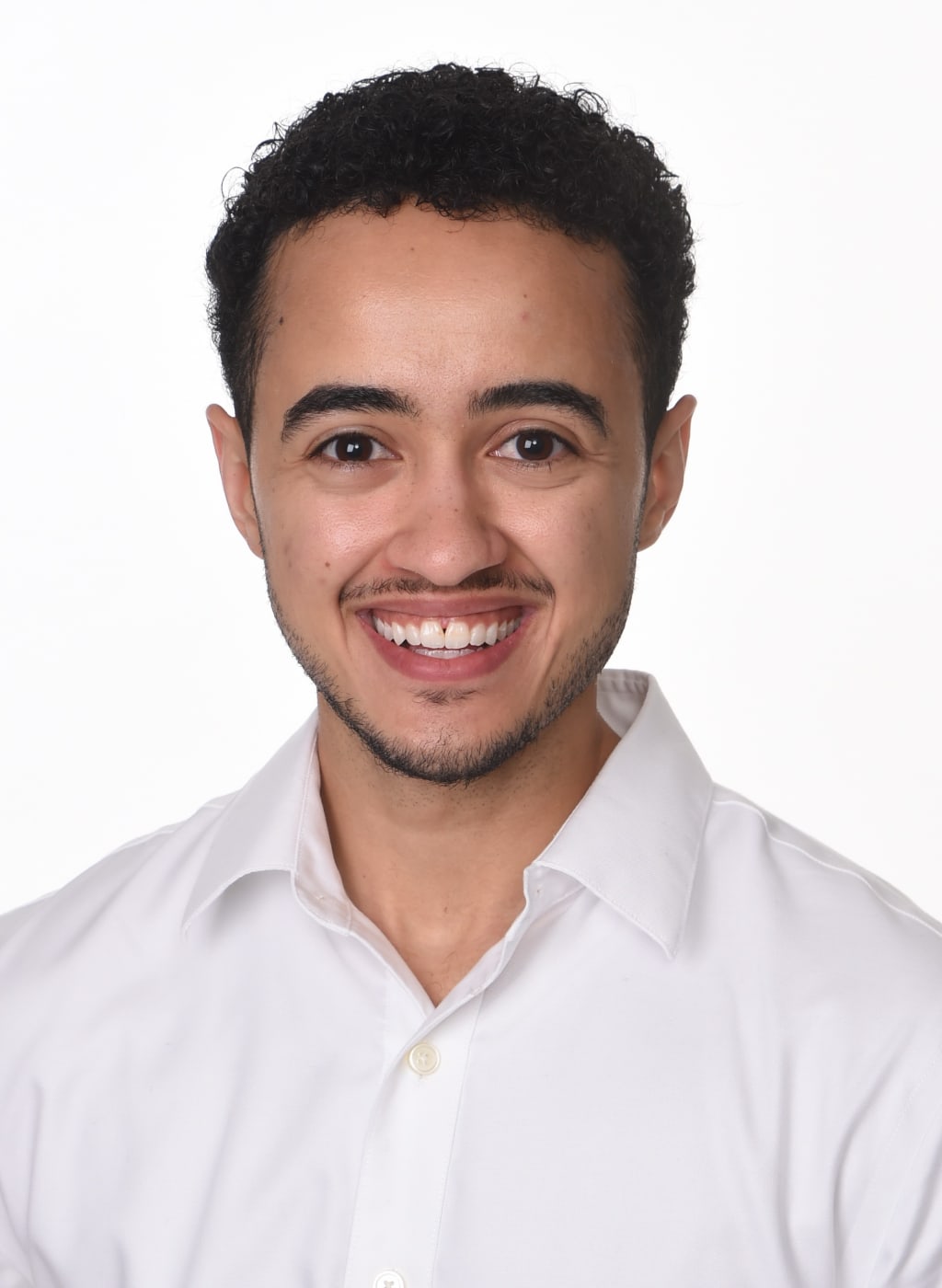
At the intersection of deep tech, digital health, and ethical investing stands Morgan Cheatham, a rising force in venture capital who isn’t here to chase trends — he’s here to shape the next decade. As a partner at one of the most forward-thinking VC firms in the country, Cheatham brings a rare blend of clinical insight, product intuition, and strategic foresight into one mission: backing founders who build with purpose.
We sat down with Morgan to discuss his path from medicine to venture, why conviction matters more than consensus, and what it truly means to invest in the future.
✦ Morgan, take us back to the beginning. What set you on this path?
My roots are in medicine and engineering. Early on, I was deeply interested in the convergence of biology and data — how human systems can be understood, modeled, and improved. But I realized that real impact often isn’t made in labs — it’s made at scale. Venture capital became the bridge. It gave me the opportunity to back people who were translating breakthrough science into products that could touch millions. That shift — from treating individuals to enabling systems — became my mission.
✦ Many people jump into VC to chase returns. What’s different about your approach?
I’m not interested in hype. I’m interested in depth. I work closely with technical founders — often first-time entrepreneurs — who are building in areas like AI-enabled diagnostics, precision medicine, or next-gen enterprise platforms. These aren’t easy markets. You have to understand not just the tech, but the regulatory landscape, clinical value, go-to-market mechanics. My role is to help founders think across those layers. It’s less about spray-and-pray, more about being a real partner in the journey.
✦ You often talk about “conviction over consensus.” What does that mean in practice?
It means I don’t wait for the crowd. Some of the most transformative companies looked improbable in the beginning. Founders building in unsexy, misunderstood spaces often get overlooked. But if you deeply understand the market and see something others miss, you have to act. Venture is asymmetric — one outlier changes everything. I’d rather miss a safe bet than pass on the next category-definer because I waited for external validation.
✦ What’s been one of the hardest decisions you’ve made as an investor?
Backing a company in its earliest stages, when even the data didn’t quite support the vision — but the founder did. The product was pre-market. The model was unconventional. But the founder’s clarity was rare. I took the bet. Today, that startup is reshaping an entire segment of the healthcare ecosystem. It taught me: you’re not just investing in ideas — you’re investing in someone's ability to learn faster than anyone else in the room.
✦ What mental frameworks guide your investment decisions?
Three key ones. First: founder-market fit — not just background, but obsession. Second: insight density — how many proprietary or contrarian insights does this team hold? Third: learning velocity — how fast are they adapting? I’m less interested in whether they’re “right” today and more in how quickly they’ll get to “right enough” tomorrow.
✦ What advice would you give to someone entering venture capital today?
Read less about trends and more about systems. Study how markets evolve, how regulation shapes innovation, how capital flows influence outcomes. Be curious about people — not just their pitch, but their patterns. And build your own thesis. The best investors don’t copy conviction — they create it.
✦ What’s your vision for the future of venture?
I think we’re moving from transactional capital to transformational capital. Founders want more than a check — they want partners who understand their mission and can operate at their level. The future belongs to investor-operators. People who can go deep on product, narrative, team building, and long-term capital strategy. That’s what I’m trying to embody — not just capital allocation, but ecosystem design.
✦ Final thoughts — what keeps you grounded?
Gratitude. I get to spend every day with people who are inventing the future. That’s a privilege. And responsibility. If I can help even a few of them get there faster, with more clarity and less friction — that’s success. It’s not about being right all the time. It’s about being useful when it matters most.
Morgan Cheatham represents a new wave of investors: deeply informed, rigorously thoughtful, and quietly ambitious. His work sits at the intersection of intelligence and intention — proof that the next generation of venture leaders won’t just fund the future, they’ll help build it.
About the Creator
New Generation
A New York magazine dedicated to discovering and featuring the most ambitious young entrepreneurs and startup founders shaping the future of business and innovation.
Keep reading
More stories from New Generation and writers in Men and other communities.
“Ownership is the New Freedom” — A Candid Interview with Venture Strategist Kai Cunningham
As the co-founder of a next-gen private equity firm, Kai Cunningham doesn’t chase the spotlight — he chases outcomes. While others talk about building generational wealth, Kai is doing it — quietly empowering underrepresented founders, reshaping what private capital looks like, and building a financial ecosystem where ownership is the baseline, not the goal.
By New Generation 8 months ago in Interview
The Surprising Truth About Drinking Milk With Prostatitis
The refrigerator door hangs open, its cool light spilling into the dim morning kitchen. You’re staring at the carton of milk, a simple staple that has suddenly become a source of quiet anxiety. Before your prostatitis diagnosis, it was an automatic part of your routine—a splash in your coffee, a base for your oatmeal, or a quick glass before bed. Now, every choice feels like a negotiation with your own body. You wonder, "Is this simple comfort now off-limits? Will it make the pressure, the urgency, the constant awareness of my own anatomy, even worse?"
By Amanda Chou7 days ago in Men
Rachel Reviews: The Spiral Archive by Pieter Hendrik
It's difficult for me to know where to start with a review of this book as it was, for me, an entirely unique experience and one that I'll probably never have again. I don't want that to be interpreted as unenjoyable but it has left me scratching my head a little and ruminating on its content, its themes and its characters.
By Rachel Deeming2 days ago in BookClub


Comments (1)
You've got an interesting piece here. I can relate to the idea of finding impact at scale. I've seen how some tech concepts start small in labs but can really take off when translated into products. I like your focus on working with technical founders in tough markets. Understanding all those layers is crucial. It's not always easy, but that's where the real innovation happens. As for "conviction over consensus," can you give an example of a time when you stuck to your conviction and it paid off? That would be great to hear.