
“Ownership is the New Freedom” — A Candid Interview with Venture Strategist Kai Cunningham
By New Generation

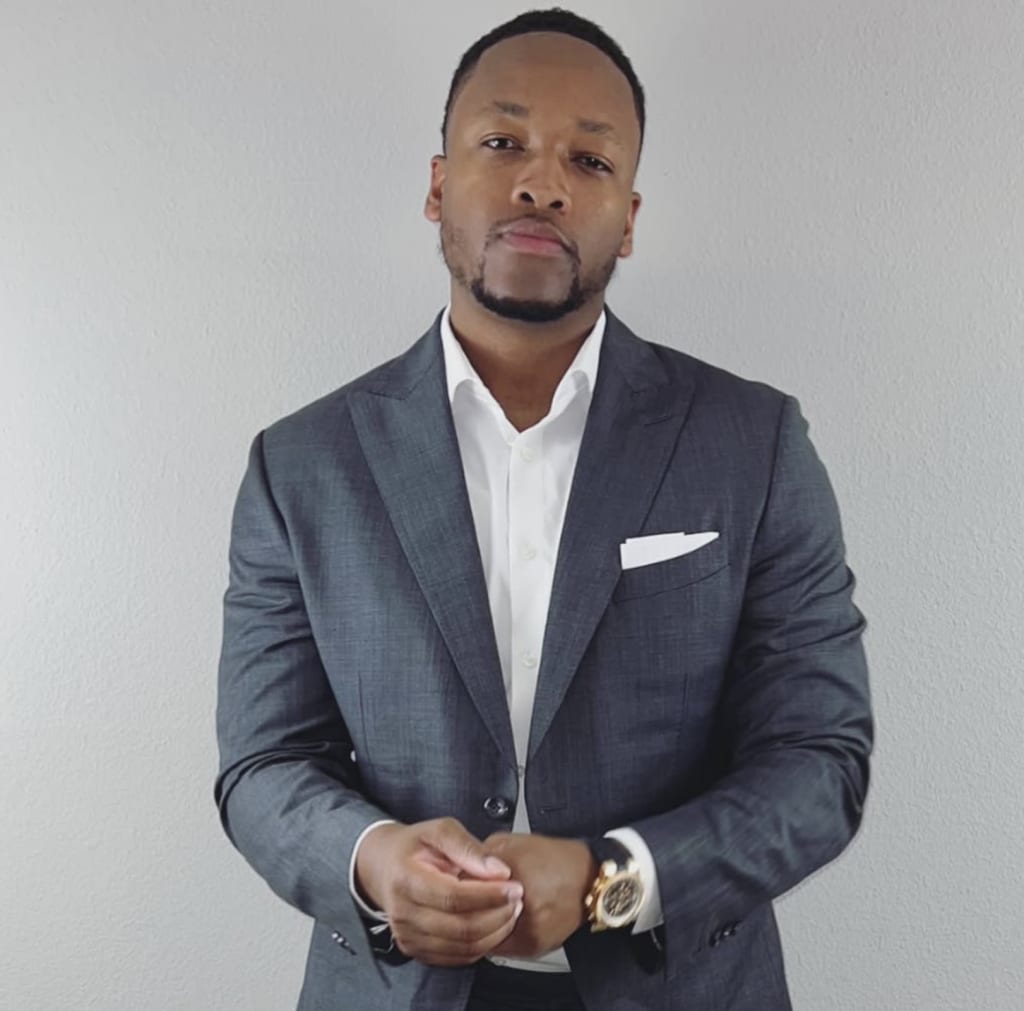
As the co-founder of a next-gen private equity firm, Kai Cunningham doesn’t chase the spotlight — he chases outcomes. While others talk about building generational wealth, Kai is doing it — quietly empowering underrepresented founders, reshaping what private capital looks like, and building a financial ecosystem where ownership is the baseline, not the goal.
We spoke with Kai about his beginnings, the mindset behind real impact investing, and how he's quietly becoming a force in the future of finance.
✦ Kai, tell us about the very beginning of your entrepreneurial journey.
I grew up watching how access — not talent — defined success. The smartest people I knew didn’t have capital, and the people with capital often didn’t understand the culture. That disconnect drove me. Early on, I realized I didn’t just want a seat at the table — I wanted to redesign the table. So I immersed myself in finance, understood the language of power, and began building from there.
✦ What problem are you trying to solve through your work?
Gatekeeping. Capital is still locked behind legacy relationships and traditional metrics. We’re opening that up — finding visionary founders who are overlooked because they don’t “fit the mold,” and giving them the resources to scale. Our firm isn’t about charity or optics — it’s about betting on brilliance, wherever it comes from.
✦ What makes your approach different from other VC or private equity models?
We lead with alignment, not control. A lot of capital comes with strings — we come with strategy. We co-build. We mentor. We stay close. And we’re long-term thinkers. Most funds want a fast flip. We want real ownership, sustainable equity, and a lasting footprint. That’s the difference.
✦ Have you had moments when you felt like quitting?
Absolutely. Especially when you're trying to disrupt a space built on hierarchy. Early on, doors didn’t open easily. But I wasn’t raised to knock once and walk away. I kept showing up. Eventually, people start to pay attention when your results speak louder than your pitch.
✦ What habits help you stay mentally clear and focused in this high-stakes space?
Stillness. I take at least 15–30 minutes daily with no noise — no meetings, no media, no movement. That silence helps me process what really matters. I also journal wins and losses weekly. That reflection gives me perspective. And I never skip workouts — the gym is therapy.
✦ What’s your advice to the next wave of young investors or founders of color?
Don’t wait to be validated — move like you’re already chosen. Build with intention, speak the language of capital, and stay grounded in your community. Remember: access without alignment is dangerous. Make sure you know who you are before you start signing deals.
✦ What’s your long-term vision? Where does this go in 5–10 years?
Legacy. I want to build a fund that outlives me. One that continues to back entrepreneurs who change their communities, not just their tax brackets. I see this expanding into a full ecosystem — schools, mentorship, even policy work. Money is just one part of the equation. Ownership is the long game.
✦ Last thoughts — what keeps you going when it gets hard?
The ones watching. My younger self. The founders who need that first yes. The team that trusts the vision. This isn’t just about returns — it’s about responsibility. And when you carry that with pride, quitting’s not really an option.
Kai Cunningham isn’t chasing headlines — he’s creating infrastructure. His mission to democratize access to capital and build generational ecosystems is proof that the next era of finance belongs not to the loudest, but to the most intentional.
About the Creator
New Generation
A New York magazine dedicated to discovering and featuring the most ambitious young entrepreneurs and startup founders shaping the future of business and innovation.
Keep reading
More stories from New Generation and writers in Interview and other communities.
Center Stage with Paul Stewart
*** I'm keen to republish the interviews I did for my series with Vocal creators. It's been a few years and I thought it might be nice to revisit these wonderful conversations. I'll be releasing them one at a time for a few weeks/months.
By Heather Hubler3 days ago in Interview
A Story of Taylor Swift
On a quiet Christmas morning in Reading, Pennsylvania, a young girl sat on the edge of her bed holding a guitar that was nearly as big as she was. Her fingers pressed carefully against the strings as she tried to match the melodies she heard in her head. Her name was Taylor Swift, and even at that young age, she understood something important: music was not just sound—it was a way to tell the truth. Long before stadium lights and chart-topping records, Taylor was learning how to turn feelings into stories.
By Organic Products a day ago in Interview




Comments (1)
You've really highlighted some key aspects here. Kai's story about growing up seeing the disconnect between talent and capital is eye-opening. It makes me think about how many great ideas are being missed because of gatekeeping. I also like how he focuses on alignment instead of control. That seems like a much more collaborative and sustainable way to do business. Have you seen other firms try to adopt a similar approach? And how do you think this model will fare in the long run?