
Why do some people keep returning to a relationship after being dumped, even if they don't truly love the other person?
The Psychology Behind Returning to a Relationship After Being Dumped

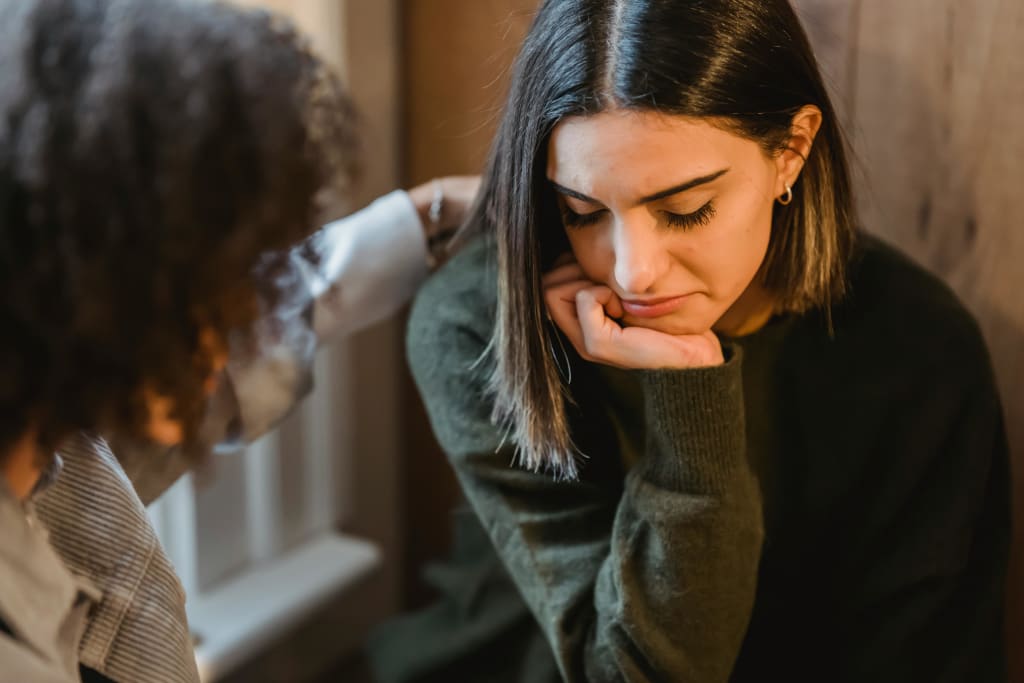
Many people find themselves returning to relationships even after being dumped, despite knowing deep down that they don’t truly love the other person. This behavior might seem perplexing, but it’s rooted in a complex web of emotions, psychological patterns, and societal influences. Understanding why this happens requires a look into the human psyche and the factors that drive people to seek comfort in the familiar, even when it’s not in their best interest.
1. Fear of Loneliness
One of the most powerful motivators for returning to a past relationship is the fear of being alone. For many, the idea of facing life without a partner is daunting. They may convince themselves that being in a flawed relationship is better than being single. This fear of loneliness can be so overwhelming that it drives people back into relationships they know are not fulfilling or healthy.
Loneliness isn't just about physical isolation; it's also about emotional disconnection. People may return to a relationship because they miss the companionship, the shared experiences, and even the routine of being with someone. The void left by a breakup can be difficult to fill, leading individuals to choose the comfort of familiarity over the uncertainty of being single.
Human beings are wired for connection, and relationships often create deep emotional bonds. Even when love fades, the attachment can remain strong. This attachment is not just emotional but also psychological, where the mind becomes accustomed to relying on the other person for support, validation, and a sense of identity.
Dependency can also play a significant role. Some individuals may feel dependent on their partner for financial support, social status, or even a sense of purpose. This dependency can make it challenging to let go, even when the relationship is no longer fulfilling. The fear of losing these aspects of life can drive people back into the arms of someone they no longer love.
3. Nostalgia and Selective Memory
When people look back on a relationship, they often experience nostalgia—a longing for the good times they shared with their partner. This selective memory tends to highlight the positive moments while minimizing or even ignoring the negative aspects of the relationship. This rose-colored view of the past can create a strong desire to return to the relationship, hoping to recapture those moments of happiness.
Nostalgia can be powerful, especially when combined with the uncertainty of the future. The past, even with its flaws, can seem more appealing than the unknown. People may convince themselves that things could be different this time, that the problems they faced before can be overcome, and that the relationship can be salvaged.
4. Low Self-Esteem and Fear of Rejection
Low self-esteem is another significant factor that can lead someone to return to a relationship after being dumped. Individuals with low self-worth may believe that they don’t deserve better or that they won’t find anyone else. This belief can trap them in a cycle of returning to a relationship where they feel secure, even if that security comes at the cost of true happiness.
The fear of rejection also plays a role. Being dumped can be a blow to one’s self-esteem, leading to feelings of inadequacy and self-doubt. In an attempt to avoid these painful emotions, individuals may try to rekindle the relationship, hoping to regain a sense of worth and avoid the sting of rejection.
5. Cultural and Social Pressures
Societal and cultural pressures can also influence someone’s decision to return to a relationship. In many cultures, being in a relationship is seen as a status symbol or a mark of success. The pressure to conform to societal expectations, such as getting married or staying in a long-term relationship, can be immense.
Friends and family can also play a role, either directly or indirectly encouraging someone to return to a relationship for the sake of stability, reputation, or even the well-being of children if they are involved. This pressure can make it difficult to break free from a relationship that is no longer based on love.
Conclusion
Returning to a relationship after being dumped, even when love is no longer present, is a complex behavior driven by fear, attachment, nostalgia, low self-esteem, and societal pressures. Understanding these factors can help individuals recognize the patterns that keep them stuck and empower them to make choices that align with their true desires and emotional well-being. While the pull of the familiar is strong, true fulfillment comes from embracing the unknown and seeking relationships that are grounded in mutual love and respect.
About the Creator
LOVE NEST
Welcome to LOVE NEST, your ultimate destination for insightful advice, heartwarming stories, and practical tips on building and maintaining healthy relationships.learn more..
The Illusion of Grandeur: Why the Oval Engagement Ring is a Timeless Choice
The cobblestone streets of Hatton Garden, London’s historic jewellery heart, have a way of whispering stories of the past. For Oliver, standing outside a boutique atelier while a light drizzle misted his wool coat, the stakes felt incredibly high. He wasn't just looking for a piece of jewellery; he was looking for a physical manifestation of a five-year journey with Sophie.
By Mohd Kaishabout 6 hours ago in Marriage


Comments
There are no comments for this story
Be the first to respond and start the conversation.