
The Pros and Cons of Different Metals for Wedding Rings
The Pros and Cons of Different Metals for Wedding Rings

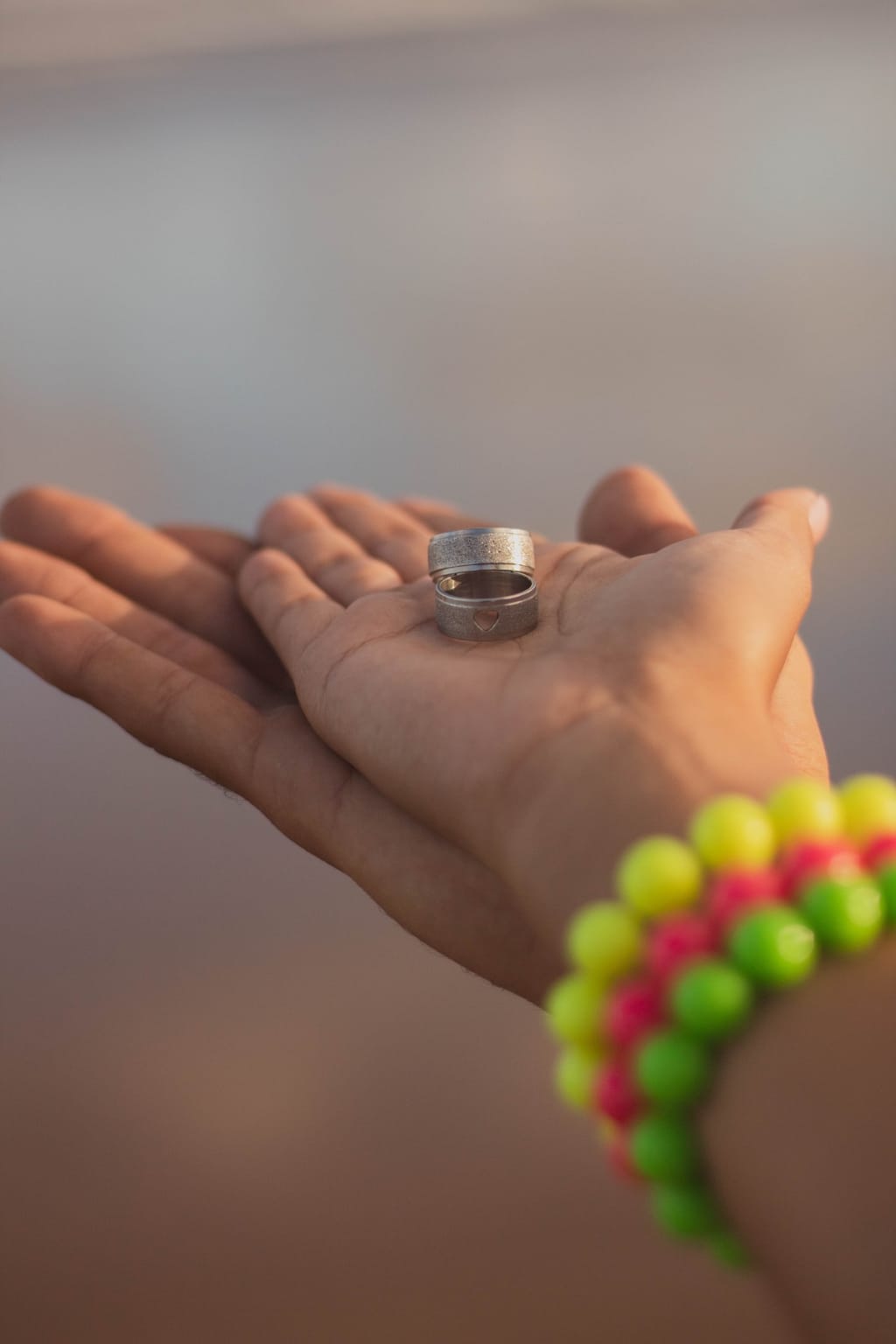
Choosing the right metal for your wedding ring is an important decision that can impact the durability, appearance, and cost of your ring. With so many options available, it can be difficult to know which metal is the best choice for you. In this article, we will compare and contrast the various types of metals commonly used for wedding rings, including gold, platinum, titanium, and tungsten, and explore their pros and cons to help you make an informed decision.
I. Gold
Gold is a classic and traditional metal that has been used for wedding rings for centuries. It is a popular choice for its timeless appeal and versatility, but it also has some pros and cons to consider.
Pros:
Gold is a durable and long-lasting metal, making it a good choice for everyday wear. It can be easily resized and repaired, which is important if you plan to wear your ring for a long time.
Gold is available in a range of colors, including yellow, white, and rose gold, which can complement a variety of skin tones and personal styles.
Cons:
Gold can be expensive, especially for higher karat options. If you want a high-quality gold ring, you will need to be prepared to pay a premium price.
It can also scratch and show wear over time, especially if it has a high purity level. This means that it may require more maintenance than other metals, such as platinum or titanium.
II. Platinum
Platinum is a precious metal that is often considered the ultimate symbol of luxury and elegance. It is a popular choice for wedding rings because of its unique characteristics, but it may not be the right choice for everyone.
Pros:
Platinum is extremely durable and resistant to wear and tear. It is one of the most durable metals used for jewelry, making it a good choice for people who are tough on their rings.
It is naturally white and will not fade or change color over time. This means that your ring will always look beautiful and new, even after years of wear.
Platinum is hypoallergenic, making it a good choice for people with sensitive skin who may react to other metals.
Cons:
Platinum is more expensive than gold, which can make it an impractical choice for some couples. If you are on a tight budget, you may need to consider a less expensive metal.It is also a denser metal, which can make it feel heavier on the finger. If you are not used to wearing heavy jewelry, you may find that a platinum ring is uncomfortable.
III. Titanium
Titanium is a lightweight and durable metal that has gained popularity as a wedding ring material in recent years. It may not have the same luxury appeal as gold or platinum, but it has some distinct advantages.
Pros:
Titanium is extremely durable and resistant to scratches and dents. It is one of the strongest metals used for jewelry, making it a good choice for people who work with their hands or are tough on their rings.
It is lightweight and comfortable to wear, making it a good choice for people who are not used to wearing jewelry. This is especially true for men who may not be accustomed to wearing rings.
Titanium is more affordable than gold or platinum, making it a good choice for budget-conscious couples.
Cons:
Titanium cannot be resized, so it may not be a good choice if you anticipate changes in your finger size over time. If your ring becomes too small or too large, you will need to purchase a new one.
It is also less malleable than gold or platinum, which means it cannot be easily formed into intricate designs. If you want a highly detailed or ornate ring, titanium may not be the best choice for you.
IV. Tungsten
When it comes to tungsten wedding rings, they are an excellent choice for people who want a durable and affordable option. But, before you make your final decision, it's important to consider the pros and cons of tungsten as a wedding ring material.
One of the biggest advantages of tungsten wedding rings is their durability. Tungsten is one of the hardest metals, making it scratch-resistant and able to withstand daily wear and tear. Tungsten wedding rings are also resistant to dents and can maintain their shape over time. So, if you work with your hands or have an active lifestyle, a tungsten wedding ring may be the perfect choice for you.
Another advantage of tungsten wedding rings is their affordability. Compared to other popular wedding ring metals like gold and platinum, tungsten is a much more affordable option. So, if you're on a tight budget but still want a ring that looks great and will last a long time, tungsten may be the way to go.
However, tungsten wedding rings also have some disadvantages to consider. For example, tungsten is one of the most difficult metals to resize. This means that if your finger size changes over time, you may not be able to resize your ring to fit properly. So, it's important to make sure you get the right size from the beginning.
Additionally, tungsten is a very dense metal. While this can make it extremely durable, it can also make it feel heavy and uncomfortable on the finger. If you're not used to wearing jewelry or prefer something lighter, a tungsten wedding ring may not be the best choice for you.
In conclusion, tungsten wedding rings are an excellent option for people who want a durable and affordable ring. However, it's important to consider the downsides of tungsten before making your final decision. By weighing the pros and cons of tungsten along with other popular wedding ring metals like gold, platinum, and titanium, you can make an informed decision that will result in a beautiful and long-lasting wedding ring that you can cherish for years to come.
Author Bio:
Author and a speaker! Gary Hanif is a Digital Marketing Manager who writes for Wedding Rings, an online shop that offers a wide selection of unique men’s and women's wedding bands, traditional rings, and many alternative styles of The Beautiful Company.
About the Creator
Keep reading
More stories from TheBeautifulCompany and writers in Marriage and other communities.
Affordable Men’s Wedding Bands
Introduction: Finding Quality Without Breaking the Bank Choosing a wedding band is a deeply personal and meaningful step. Many men want a ring that not only symbolizes their commitment but also fits their lifestyle and budget. Thankfully, there are affordable men’s wedding bands under $300 that offer durability, style, and quality craftsmanship without compromising on appearance.
By TheBeautifulCompany8 months ago in Marriage


Comments
There are no comments for this story
Be the first to respond and start the conversation.