
Navigating Different Social Preferences in a Relationship
Balancing Social Differences in Relationship

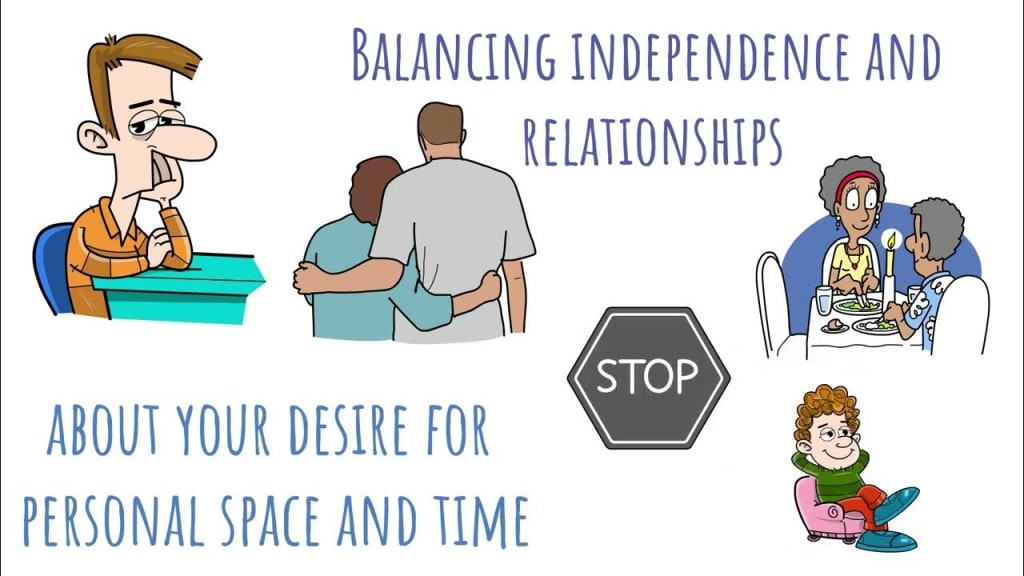
Relationships often bring together individuals with unique personalities, preferences, and social inclinations. When one partner is more social than the other, it can create challenges in terms of communication, expectations, and balance. However, these differences, when approached thoughtfully, can also provide opportunities for Growth and mutual understanding.
Below are strategies and insights to handle such situations effectively:
(I)Understand and Acknowledge Each Other’s Social Needs
The first step is recognizing and validating each other's social tendencies. A more social partner may find joy and energy in frequent social interactions, while the less social partner might feel overwhelmed in such settings, needing solitude to recharge.
Empathy and Non-Judgment: Avoid framing either tendency as "right" or "wrong." Understand that these differences are rooted in individual personality traits, such as introversion and extroversion.
Open Communication: Discuss how each partner feels about social situations. For example, one might say, "I feel most energized after a gathering," while the other might share, "Large crowds drain me, and I need downtime afterward."
(II)Establish Clear Expectations
It’s essential to find common ground regarding how often and in what manner social activities will be shared.
- Create a Balance: Decide on a mix of activities that cater to both partners. For instance, you might agree to attend one large social event monthly while focusing on smaller, more intimate gatherings in between.
- Plan Ahead: A clear plan allows the less social partner to mentally prepare for upcoming events and ensures the social partner has opportunities to connect with others.
(III)Respect Boundaries Without Resentment
One partner’s preference for alone time or quieter interactions shouldn’t be viewed as rejection. Likewise, a desire for more social engagement shouldn’t be dismissed as a lack of prioritization for the relationship.
- Encourage Independence: Allow the social partner to engage in activities without the less social partner feeling obligated to join every time. For instance, they can attend parties or gatherings with friends or family solo.
- Quality Over Quantity: Focus on meaningful interactions during shared social events rather than the frequency of attendance.
(IV)Leverage Differences for Growth
While differences can initially feel Hurdles, they can also be opportunities for personal and relational development.
For the Social Partner: They can learn patience, appreciation for quieter moments, and the value of deep, one-on-one connections.
For the Less Social Partner: They may discover the joys of occasional social outings and the benefits of broadening their comfort zone.
(V)Adopt a Flexible Approach
Flexibility is critical in ensuring that both partners feel valued and understood.
Compromise Creatively: Find middle-ground activities that satisfy both partners, such as inviting a small group of friends over instead of attending a large party.
Alternate Responsibilities: If the less social partner dislikes hosting, the social partner can take the lead in organizing events while ensuring the other feels comfortable.
(VI)Use "Alone Together" Time
There’s a balance between being together and being apart. Creating "alone together" moments can help bridge the gap between social needs.
Shared Quiet Activities: Engage in activities like reading, gardening, or watching a movie side by side. These provide the comfort of presence without social pressure.
Parallel Pursuits: One partner can socialize while the other enjoys their downtime. For instance, while the social partner hosts a dinner party, the less social partner could spend the evening in another room working on a hobby.
(VII)Check In Regularly
Relationships evolve, and so do individual needs. Regular check-ins help ensure that the social dynamic works for both partners.
Assess the Balance: Ask questions like, “Are you feeling socially fulfilled?” or “Do you need more time to recharge?”
Adjust as Needed: Life events—like moving to a new city, starting a family, or career changes—can shift social preferences. Be open to revisiting and renegotiating boundaries.
(VIII)Seek Outside Support if Necessary
If the differences in social tendencies cause persistent conflict, seeking Guidance from a therapist or counselor can provide tools for navigating these dynamics effectively.
Professional Perspective: A neutral third party can help identify underlying issues and suggest tailored solutions.
Improved Communication: Therapy can enhance understanding and foster a deeper connection.
In The End
Navigating a relationship where one partner is more social than the other requires empathy, compromise, and adaptability. By embracing each other’s differences, couples can create a dynamic that respects individuality while fostering unity. These steps not only resolve immediate challenges but also strengthen the foundation of the relationship, ensuring both partners feel seen, heard, and valued.
About the Creator
Badhan Sen
Myself Badhan, I am a professional writer.I like to share some stories with my friends.
Keep reading
More stories from Badhan Sen and writers in Marriage and other communities.
How do you balance your social lives with your marriage?
Balancing social lives with marriage is an essential skill for maintaining a healthy relationship while preserving individual friendships and social fulfillment. A successful balance ensures that both partners feel supported in their personal lives and that the marriage remains a priority. Here are strategies and insights for achieving this balance, explained in detail:
By Badhan Senabout a year ago in Marriage
The Last Letter at Kew Gardens
The air in Richmond was crisp, carrying the faint, earthy scent of damp soil and the promise of early crocuses. Arthur adjusted his woollen scarf—a deep navy blue that matched his eyes—and checked his pocket watch. It was half-past ten. In London, Valentine’s Day usually arrived with a frantic rush of overpriced roses and desperate dinner reservations, but here, within the iron gates of Kew Gardens, time seemed to decelerate.
By Mohd Kaishabout 13 hours ago in Marriage




Comments (1)
Another great couple's therapy article. Good job.