
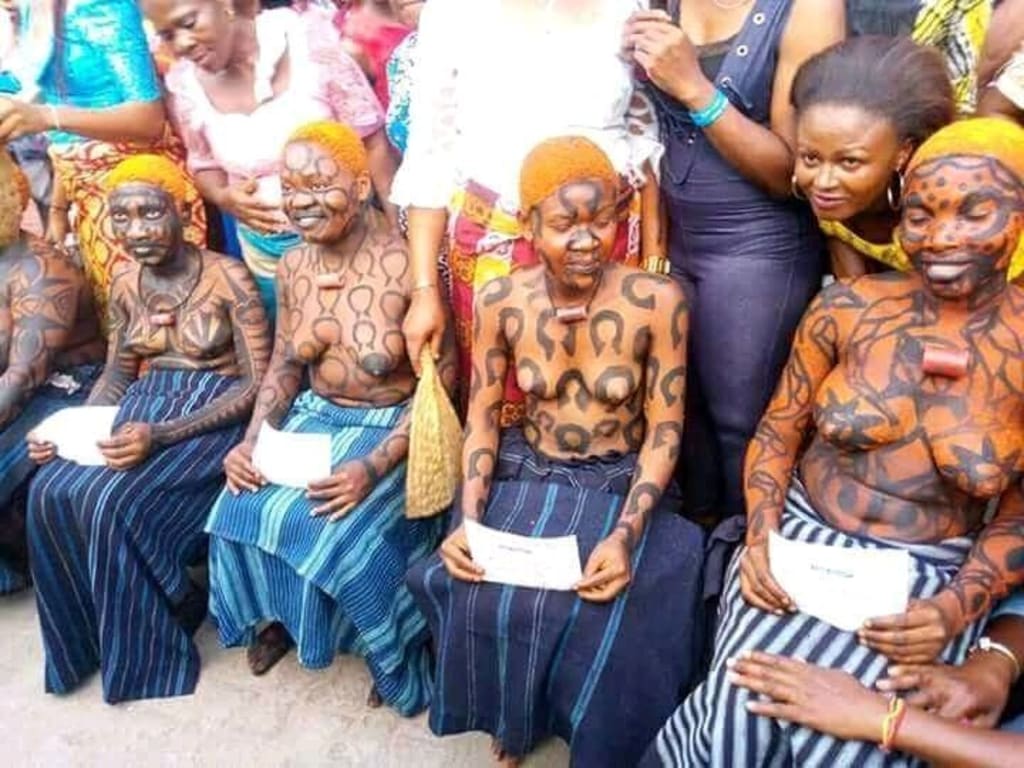
Marriage rites in Africa vary significantly across different regions, cultures, and ethnic groups. Africa is a diverse continent with numerous distinct traditions and customs when it comes to marriage. However, I can provide you with a general overview of some common elements and practices found in African marriage rites:
Negotiation and dowry: In many African cultures, marriage involves negotiations between the families of the bride and groom. This negotiation often includes the payment of a dowry or bride price, which is a symbolic gesture of appreciation to the bride's family. The dowry can consist of money, livestock, goods, or other valuable items.
Traditional ceremonies: African weddings are often marked by elaborate traditional ceremonies and rituals. These ceremonies vary widely but can include rituals such as blessings, prayers, sacrifices, libations, or the pouring of holy water.
Traditional attire: African weddings typically involve the bride and groom wearing traditional clothing that reflects their cultural heritage. These garments can be intricately designed and brightly colored, representing the customs and traditions of the specific culture or ethnic group.
Community involvement: African weddings are often community affairs, involving the participation of extended family, friends, and community members. The community plays a significant role in celebrating the union and providing support to the couple.
Drumming, singing, and dancing: Music, drumming, singing, and dancing are integral parts of many African wedding ceremonies. These vibrant and rhythmic performances create a festive atmosphere and contribute to the joyful celebration.
Blessings and prayers: Religious or spiritual blessings and prayers are commonly incorporated into African marriage rites. These blessings seek the guidance and support of a higher power for the couple's union and future.
Symbolic rituals: Various symbolic rituals are practiced in African weddings to represent unity, love, and commitment. Examples include the sharing of a cup or breaking of a kola nut to symbolize the couple's shared life and the pouring of different colored sands to signify the blending of two families.
Feasting and celebration: African weddings are often accompanied by feasting and celebration, with abundant food and drink provided for the guests. It is a time for joyful gatherings, cultural performances, and sharing meals together.
It's important to note that these customs can vary widely across the diverse cultures and countries of Africa. Different regions and ethnic groups have their unique traditions and practices when it comes to marriage rites.
Marriage rites in Africa have a long and varied history, deeply rooted in the diverse cultures and traditions across the continent. While practices differ across different ethnic groups and regions, there are some common themes and historical influences that have shaped African marriage customs over time. Here is a general overview of the history of marriage rites in Africa:
Ancestral Influence: Many African cultures believe in the importance of honoring ancestors and maintaining a connection with past generations. Marriages often involve rituals and ceremonies that seek the blessings and guidance of ancestors, ensuring the continuity of lineage and the preservation of cultural values.
Communal and Family Focus: African societies traditionally place a strong emphasis on community and family. Marriage is seen as a union between not just two individuals but also their families and communities. As a result, marriage ceremonies often involve the participation and approval of the extended family and community elders.
Bridewealth and Dowry: The practice of providing bridewealth or dowry has a long history in African marriages. It serves as a symbol of appreciation and respect to the bride's family and can take various forms, including livestock, money, land, or valuable goods. Bridewealth is often seen as a way to establish social and economic ties between families.
Rituals and Ceremonies: African marriage rites are rich in rituals and ceremonies that vary across cultures. These can include traditional blessings, prayers, dances, and performances. Specific rituals might be performed to symbolize the union, fertility, purity, or prosperity of the couple.
Polygamy and Polygyny: Historically, polygamy and polygyny (a man having multiple wives) have been practiced in several African cultures. The acceptance and prevalence of polygamous marriages vary among different ethnic groups, with reasons including social, economic, and cultural factors. However, with changing societal norms and influences, monogamous marriages have also become more common in many African countries today.
Colonial Influences: The arrival of European colonial powers in Africa had a significant impact on marriage customs. Colonial administrations attempted to impose their own marriage laws and discouraged or banned certain traditional practices. These influences led to changes in marriage practices and legal frameworks in many African countries.
Modern Adaptations: African marriage customs continue to evolve in response to changing social, economic, and cultural dynamics. While traditional practices are still respected and maintained, modern influences, globalization, urbanization, and religious beliefs have also influenced the way marriages are conducted and celebrated in Africa today.
It's important to note that Africa is a vast and diverse continent with hundreds of ethnic groups, each having their distinct marriage customs and traditions. Therefore, the history of marriage rites in Africa encompasses a wide range of practices that have evolved over centuries and continue to be shaped by cultural, social, and historical factors.
About the Creator
Keep reading
More stories from emelie obianwu and writers in Marriage and other communities.
History of the great Benin kingdom
The Great Benin Kingdom, also known as the Kingdom of Benin or Edo Kingdom, is one of the oldest and most prosperous kingdoms in West Africa. It was located in what is now southern Nigeria, in the area around the city of Benin City.
By emelie obianwu3 years ago in History



Comments
There are no comments for this story
Be the first to respond and start the conversation.