
Loving Can Hurt: Navigating the Emotional Challenges and Finding Healing
A Guide to Understanding and Overcoming the Pain of Love.

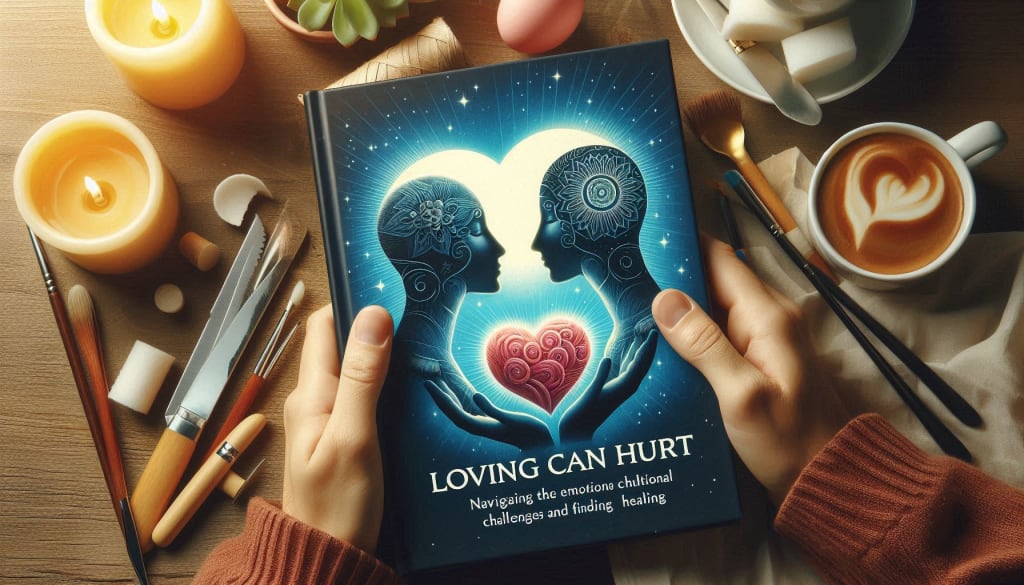
Loving Can Hurt: Navigating the Emotional Challenges and Finding Healing
Love is often depicted as a source of joy, fulfillment, and deep connection. Yet, the reality is that love can also bring about significant emotional pain and hurt. The phrase "loving can hurt" resonates with many who have experienced the complexities and challenges of relationships. Understanding why love can lead to emotional pain, how to cope with it, and strategies for healing is essential for maintaining mental and emotional well-being. This article explores these aspects in detail, offering insights into the nature of love and practical advice for overcoming the hurt.
The Dual Nature of Love
Love is a multifaceted emotion with both positive and negative dimensions. While it can provide immense joy and a sense of belonging, it can also be a source of deep emotional pain. The dual nature of love means that it can simultaneously uplift and challenge us. Here are some reasons why loving can hurt:
1. Unfulfilled Expectations
One of the main reasons love can hurt is the gap between expectations and reality. People often enter relationships with idealized visions of how love should be. When reality does not meet these expectations, disappointment and frustration can arise. The disparity between what we hoped for and what we actually experience can lead to emotional hurt.
2. Emotional Vulnerability
Loving someone requires opening yourself up emotionally. This vulnerability can expose you to the risk of rejection, betrayal, and hurt. The more deeply you invest in a relationship, the greater the potential for emotional pain if things do not work out as planned.
3. Conflict and Miscommunication
Miscommunication and unresolved conflicts can create significant emotional strain in relationships. Differences in expectations, values, and communication styles can lead to misunderstandings and disagreements. These conflicts can erode trust and intimacy, resulting in emotional pain.
4. Past Traumas and Insecurities
Past traumas and personal insecurities can impact how we experience and respond to love. Unresolved issues from previous relationships or childhood experiences can shape our perceptions and reactions, leading to heightened emotional sensitivity and hurt in current relationships.
5. Loss and Separation
The end of a relationship, whether through breakup, divorce, or loss, can be profoundly painful. The emotional impact of losing someone you love can be overwhelming, leading to feelings of grief, sadness, and heartache.
Coping Strategies for Emotional Pain
When love leads to emotional hurt, it is crucial to have effective coping strategies in place. Here are some approaches to managing and overcoming emotional pain:
1. Acknowledge Your Emotions
The first step in coping with emotional pain is to acknowledge and accept your feelings. Suppressing or denying your emotions can prolong the hurt and hinder the healing process. Allow yourself to experience and process your emotions without judgment.
2. Seek Support
Talking to trusted friends, family members, or a mental health professional can provide valuable support and perspective. Sharing your feelings with others can help you gain insights, feel less isolated, and receive practical advice for managing your emotions.
3. Practice Self-Care
Engaging in self-care activities is essential for emotional healing. Activities such as exercise, mindfulness, meditation, and pursuing hobbies can help alleviate stress and improve your overall well-being. Prioritize activities that bring you joy and relaxation.
4. Set Healthy Boundaries
Establishing and maintaining healthy boundaries in relationships can protect your emotional health. Communicate your needs and limits clearly to avoid situations that may lead to further hurt. Setting boundaries also fosters healthier and more respectful interactions.
5. Reflect and Learn
Use the experience of emotional pain as an opportunity for self-reflection and growth. Consider what you have learned about yourself, your needs, and your relationship patterns. Apply these insights to future relationships to build healthier and more fulfilling connections.
6. Engage in Positive Activities
Distract yourself from emotional pain by engaging in positive and fulfilling activities. Pursue new interests, join social groups, or take up a new hobby. Engaging in activities that bring you joy and satisfaction can help shift your focus away from the hurt.
Healing from Emotional Pain
Healing from emotional pain is a gradual process that requires patience and effort. Here are some steps to support your healing journey:
1. Allow Yourself Time to Heal
Healing from emotional hurt takes time. Be patient with yourself and understand that recovery is a process. Avoid rushing the healing process and allow yourself the time needed to work through your emotions.
2. Focus on Personal Growth
Embrace the opportunity for personal growth that comes from experiencing emotional pain. Reflect on what you have learned about yourself and how you can use this knowledge to improve your future relationships and overall well-being.
3. Rebuild Your Self-Esteem
Emotional pain can impact your self-esteem and self-worth. Engage in activities that boost your confidence and self-esteem. Surround yourself with positive influences and affirmations to reinforce your self-worth and build a strong sense of identity.
4. Create New Goals and Aspirations
As you heal, set new goals and aspirations for yourself. Focus on what you want to achieve and work towards building a fulfilling and purposeful life. Creating new goals can provide a sense of direction and motivation during the healing process.
5. Embrace New Connections
Open yourself up to new connections and experiences as you move forward. Building new relationships and friendships can provide support, companionship, and joy. Embrace new opportunities for growth and connection.
Conclusion
Loving can indeed hurt, but understanding the complexities of emotional pain and implementing effective coping strategies can help you navigate and overcome the challenges. By acknowledging your feelings, seeking support, practicing self-care, and focusing on personal growth, you can heal from the hurt and build a more resilient and fulfilling life. Love, while sometimes painful, can also be a powerful source of personal development and growth. Embrace the journey of healing, and let your experiences shape a stronger, more self-aware version of yourself.
Experiencing emotional pain as a result of love is a common and deeply human experience. By employing the strategies outlined in this article, you can effectively manage and heal from the hurt. Embrace the process of healing, and use your experiences to foster greater emotional resilience and fulfillment in your life.
About the Creator
Anand Khokhar
A resourceful and determined professional at Pixa Ocean, thrives on tackling challenges with creativity and innovation.
Keep reading
More stories from Anand Khokhar and writers in Marriage and other communities.
Enhancing Your Future: Career Talk on the Benefits of Online Learning
Maximizing Your Potential: The Comprehensive Guide to Online Learning The landscape of education has undergone a dramatic transformation in recent years, with online learning becoming an increasingly popular and effective method of gaining knowledge and skills. From flexible schedules to a wide variety of courses, online learning offers numerous advantages for students, professionals, and lifelong learners alike. This article provides an in-depth look at the world of online learning, its benefits, popular platforms, and tips for maximizing your virtual education experience.
By Anand Khokhar2 years ago in Education
Marriage is Going Extinct
Marriage once stood as a nearly universal life milestone — the expected transition from youth to adulthood, family, and social stability. But today, millions of young adults are rethinking if marriage even belongs in their future. While it’s dramatic to call marriage *extinct*, the trend lines suggest we are living through a historic transformation in how this generation views traditional commitment — one with cultural, economic, and demographic implications.
By Anthony Bahamondeabout 10 hours ago in Marriage



Comments
There are no comments for this story
Be the first to respond and start the conversation.