
Love is Love: Why Same-Sex Marriage Matters
The Legal, Social, and Personal Implications of Same-Sex Marriage

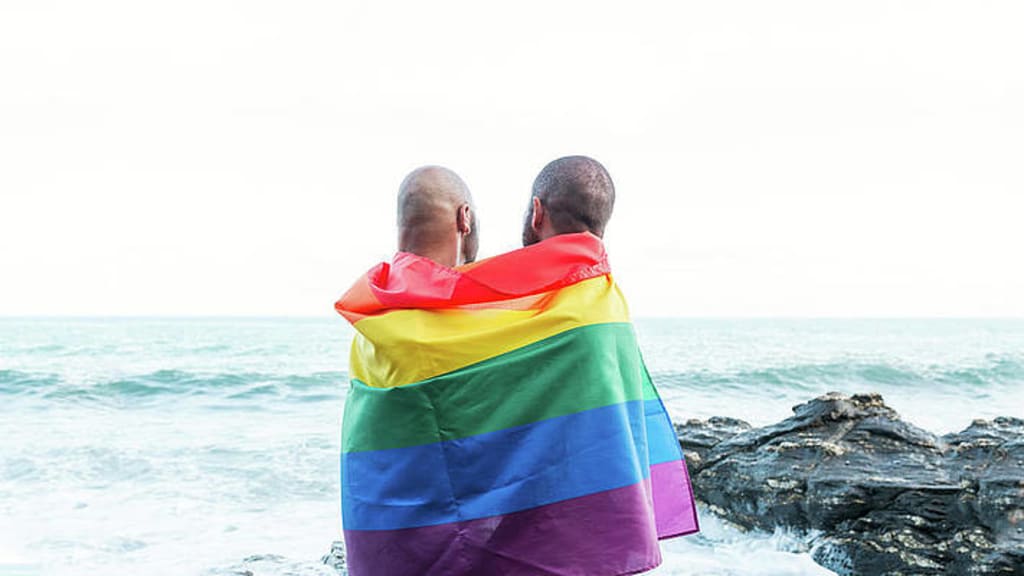
Same-sex marriage refers to the legal union between two individuals of the same gender. This concept has been a topic of debate and controversy for many years, with some people strongly opposing it while others advocate for its recognition. Same-sex marriage has become increasingly recognized and accepted in many parts of the world, with numerous countries legalizing it in recent years. Despite the progress made, same-sex marriage remains a divisive issue, with ongoing debates surrounding the legal, social, and religious implications of such unions. In this context, it is important to explore the various perspectives on same-sex marriage, the challenges faced by the LGBTQ+ community, and the progress made towards achieving equality and social justice for all individuals, regardless of their sexual orientation. The history of same-sex marriage dates back several centuries, with records of same-sex unions found in ancient civilizations such as Greece and Rome. However, these unions were not recognized as legal marriages in the modern sense and were often subject to social stigma and discrimination.
Same-sex marriage has been a contentious issue for years, with debates ranging from legal and political implications to religious and cultural beliefs. However, at its core, same-sex marriage is about love, commitment, and equality.
For many LGBTQ+ individuals, the ability to legally marry is not just a symbolic gesture, but a fundamental right. It represents the validation of their love and relationships, and provides access to legal protections and benefits that are often taken for granted by heterosexual couples.
Legal recognition of same-sex marriage means that couples are afforded the same rights and responsibilities as any other married couple. This includes access to joint health insurance, social security benefits, and tax breaks. It also means that couples can make medical decisions for one another, inherit property, and enjoy the same legal protections in the event of a divorce.
Furthermore, legalizing same-sex marriage has broader implications for society as a whole. It sends a message that all individuals, regardless of their sexual orientation or gender identity, are entitled to the same rights and protections under the law. It promotes acceptance, tolerance, and inclusivity, and challenges the societal norms and prejudices that have historically discriminated against the LGBTQ+ community.
However, despite the progress made towards legalizing same-sex marriage, discrimination and stigma against the LGBTQ+ community still exists. Same-sex couples still face challenges and obstacles in many aspects of their lives, from employment discrimination to housing and healthcare access. The fight for equal rights and protections for all individuals, regardless of their sexual orientation or gender identity, is far from over.
In conclusion, same-sex marriage matters because it recognizes and validates the love and commitment of LGBTQ+ couples, and affords them the same legal protections and benefits as heterosexual couples. It also represents progress towards a more inclusive and accepting society, where all individuals are treated with respect and dignity. By supporting and advocating for the legalization of same-sex marriage, we can work towards a more just and equitable world for all.
There are several positive impacts of legalizing same-sex marriage, including:
Validation and recognition of love: Legalizing same-sex marriage validates and recognizes the love and commitment of LGBTQ+ couples. It sends a message that their relationships are just as valid and deserving of legal recognition as heterosexual couples, promoting self-esteem and confidence in the LGBTQ+ community.
Improved mental health: Studies have shown that legalizing same-sex marriage can improve mental health outcomes for LGBTQ+ individuals. It reduces social stigma and discrimination, leading to increased social support and decreased psychological distress.
Economic benefits: Legalizing same-sex marriage provides economic benefits to couples and their families. It allows couples to access joint healthcare and insurance benefits, Social Security benefits, and tax breaks, leading to increased financial stability and security.
Social progress: Legalizing same-sex marriage represents progress towards a more inclusive and accepting society. It challenges the societal norms and prejudices that have historically discriminated against the LGBTQ+ community, promoting acceptance, tolerance, and inclusivity.
Family recognition and stability: Legalizing same-sex marriage provides legal recognition and protection for families headed by same-sex couples, promoting family stability and strengthening family bonds.
In summary, legalizing same-sex marriage has several positive impacts, including validating love and commitment, improving mental health outcomes, providing economic benefits, promoting social progress, and promoting family recognition and stability.
About the Creator
Revolution
Are you prepared to view the world through new eyes? and also delve deeply into the culture and history of each destination, revealing the tales and traditions that make each place so distinctive.
Keep reading
More stories from Revolution and writers in Marriage and other communities.
Which gift is best for mother's day
When it comes to finding the perfect gift for a loved one, there are many options to consider. Whether it's for a birthday, anniversary, or special occasion, the right gift can show how much you care and appreciate them. In this article, we will be discussing three unique and thoughtful gift ideas that are sure to put a smile on anyone's face. These gifts include scented candles, a monogrammed gift tote bag for women, and a Nacome Solar Garden Outdoor Statues Turtle with Succulent and 7 LED Lights. Each gift is special in its own way and can be tailored to fit the interests and preferences of the recipient. So, whether you're looking for a romantic gift for your partner, a thoughtful present for your mom, or a unique gift for a friend, these options are sure to impress.
By Revolution3 years ago in Families
Mother’s Day Jewelry: Timeless Gifts That Celebrate Love and Appreciation
Mother’s Day jewelry is one of the most heartfelt ways to express love, appreciation, and respect for mothers. Unlike ordinary gifts, jewelry holds emotional value and becomes a lasting reminder of special moments. From elegant gemstone rings to delicate necklaces and timeless bracelets, Mother’s Day jewelry beautifully symbolizes the unconditional bond between a mother and her family.
By Margaret Johnson4 days ago in Marriage
Miss Persephone's Manual to a Seemingly Ordinary Life
Miss Persephone was found at the dining table, her blue eyes swollen, her tears arriving and retreating like the tides of the ocean. Earlier that day, her family had visited her in the retirement home where she had lived for eight years. It was her eightieth birthday.
By Imola Tótha day ago in Fiction


Comments
There are no comments for this story
Be the first to respond and start the conversation.