
LOVE HURTS, RIGHT?
Exploring the Complexities of Love and Pain
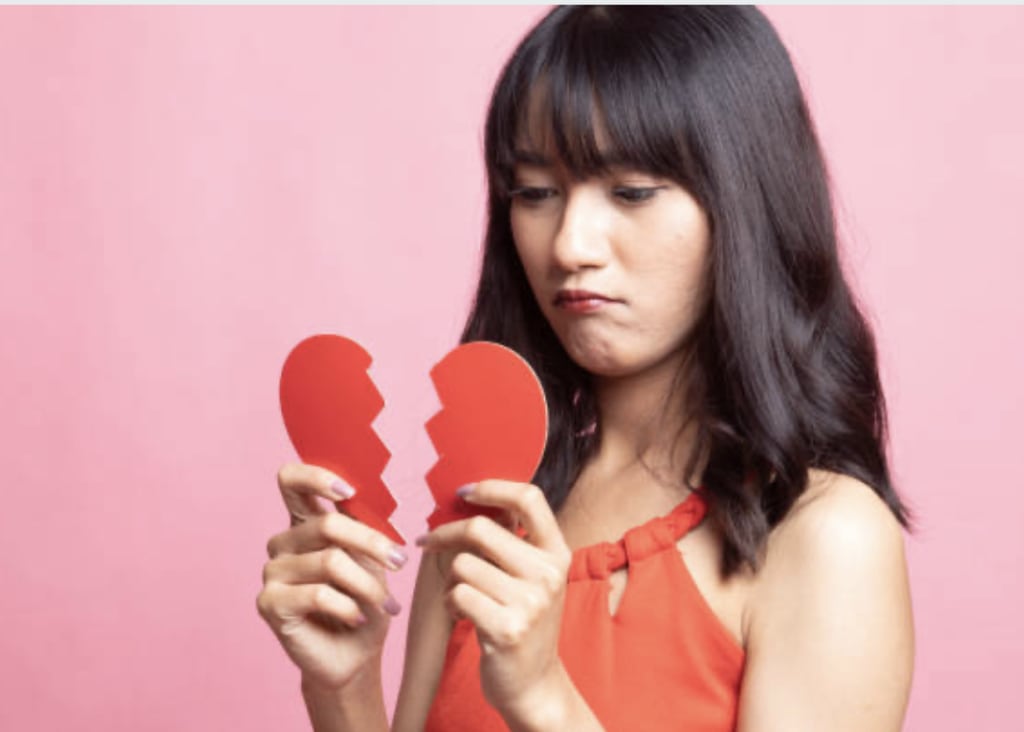
Love – a timeless, universal emotion – is a source of sheer joy and immense pain. Intricately woven into the fabric of human experience, love is often romanticized as an elixir that heals all wounds. But as we delve deeper into the complexities of love, it becomes apparent that it isn't always rainbows and butterflies. Love, in all its forms, can hurt. This article explores the various ways love can cause pain, the reasons behind it, and how we can overcome these hurtful experiences to nurture healthier, more fulfilling relationships.
Section 1: The Many Faces of Love
Love manifests in various forms, from romantic love and the love shared between friends to familial love and self-love. Each form comes with its unique set of expectations, boundaries, and vulnerabilities, making us susceptible to pain and heartache. In this section, we will explore the different ways love can hurt, depending on the type of relationship.
1.1 Romantic Love
Romantic love is often the most glorified form of love, yet it can be the most tumultuous. Infatuation, jealousy, unrequited love, and betrayal are just a few elements that can lead to heartache in romantic relationships. When we invest our emotions, time, and energy into another person, the stakes are high, and the possibility of disappointment and hurt becomes all too real.
1.2 Friendship
While friendships may not carry the same intensity as romantic love, they can still be a source of hurt. Disagreements, betrayals, drifting apart, and misunderstandings can cause pain and leave lasting scars. The loss of a close friendship can be just as devastating as the end of a romantic relationship.
1.3 Familial Love
The love that exists within families is often considered unconditional, but it can also be a breeding ground for pain. Conflicting expectations, misunderstandings, and unresolved issues can lead to emotional turmoil within the family unit.
1.4 Self-Love
Self-love is the foundation of all other forms of love, but it is not immune to hurt. Struggling with self-esteem, body image, and self-worth can lead to self-sabotage and a lack of self-compassion. In turn, this can affect our ability to love and be loved by others.
Section 2: Why Does Love Hurt?
Understanding the reasons behind the pain love can cause is crucial in overcoming heartache. In this section, we will delve into the psychological and biological factors that contribute to love-induced pain.
2.1 Attachment Theory
Attachment theory posits that our early experiences with caregivers shape our attachment styles, influencing how we form and maintain relationships in adulthood. Insecure attachment styles, such as anxious or avoidant, can lead to dysfunctional relationship patterns, causing emotional distress and pain.
2.2 Fear of Vulnerability
Love requires vulnerability, which exposes us to the risk of being hurt. The fear of vulnerability can stem from past traumas or negative experiences, making it difficult to trust and open up to others.
2.3 Biological Factors
Love activates the brain's reward system, releasing a cocktail of chemicals, including dopamine, oxytocin, and serotonin. When love is lost or unrequited, the sudden withdrawal of these chemicals can cause emotional and physical pain.
: It is also worth noting that love can be a complex emotion that is often intertwined with other emotions such as jealousy, anger, and sadness. When these emotions are present in a relationship, they can contribute to feelings of hurt and pain.
Ultimately, love is a powerful and complex emotion that can bring both joy and pain. It is important to approach love with an open mind and heart, but also to be aware of the potential risks and challenges that comes with it.
Section 3- Overcoming hurtful experiences in love and nurturing healthier, more fulfilling relationships can be a challenging process, but there are steps you can take to move forward:
1. Recognize and acknowledge your past hurt: It's important to acknowledge the hurtful experiences you've had in your past relationships. This can help you understand how they have affected you and what you need to heal.
2. Take time for self-reflection: Spend some time reflecting on what you want out of a relationship and what qualities you are looking for in a partner. This can help you identify patterns in your past relationships and make better choices in the future.
3. Prioritize self-care: Taking care of yourself is essential for healing from past hurts. This can include getting enough sleep, eating well, exercising, and engaging in activities that make you happy.
4. Seek support: Consider seeking support from a therapist or counselor who can help you work through your past hurts and develop healthier relationship patterns.
5.Be open and honest with your partner: When you enter a new relationship, it's important to communicate openly and honestly with your partner about your past experiences and how they have affected you. This can help build trust and a stronger connection.
6. Practice forgiveness: Forgiving yourself and others can be a powerful tool for moving forward. This doesn't mean forgetting what happened, but rather letting go of the negative emotions associated with it.
7. Practice patience and perseverance: Healing from past hurts and building healthy relationships takes time and effort. It's important to be patient with yourself and your partner and to persevere even through difficult times.
Remember that everyone's journey is unique, and it's important to find what works best for you. With time, patience, and effort, it is possible to overcome past hurts and build healthier, more fulfilling relationships.
About the Creator
Keep reading
More stories from writers in Marriage and other communities.
The Last Letter at Kew Gardens
The air in Richmond was crisp, carrying the faint, earthy scent of damp soil and the promise of early crocuses. Arthur adjusted his woollen scarf—a deep navy blue that matched his eyes—and checked his pocket watch. It was half-past ten. In London, Valentine’s Day usually arrived with a frantic rush of overpriced roses and desperate dinner reservations, but here, within the iron gates of Kew Gardens, time seemed to decelerate.
By Mohd Kaish5 days ago in Marriage
TUS NUA - ch 49
TUS NUA – ch 49 New Beginnings – Mia and Midnight (*)(*)(*) As Mia spoke on the phone to Ali’s sister, Ellen, Finola slipped quietly away and walked to the stream behind Tus Nua. Carefully, she put a block on her family so no one could know what she was about to do.
By Margaret Brennanabout 7 hours ago in Fiction




Comments (1)
Hello everyone, I’m new here and also new to writing so please feel free to drop your thoughts on this article.