
How to Handle Bridesmaid Dress Alterations and Fittings
Make your dress perfect on before the wedding day!
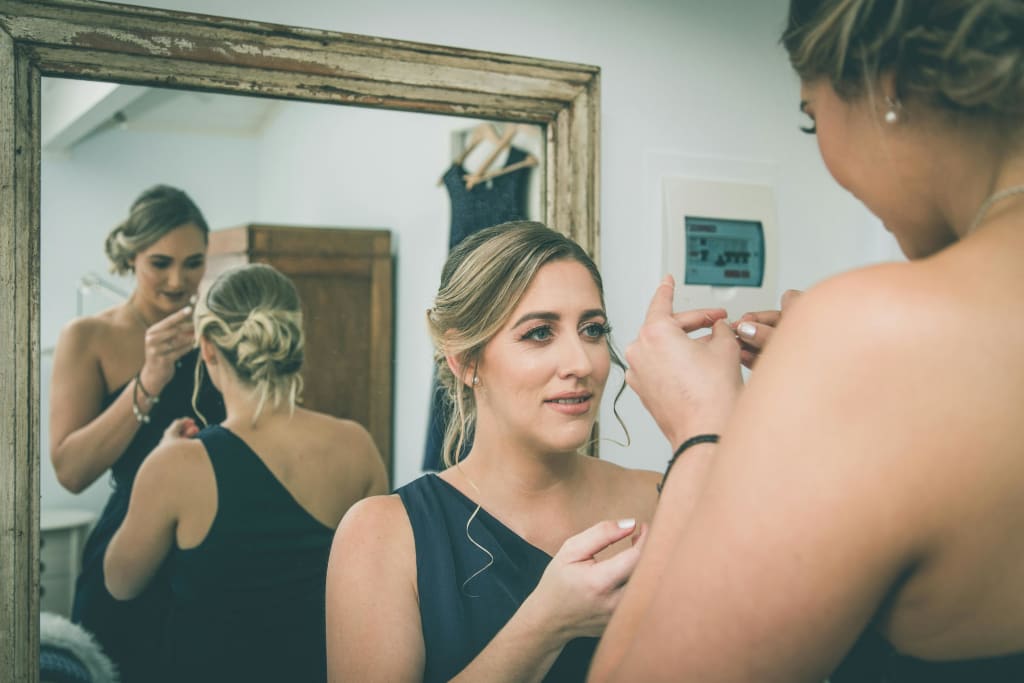
For many brides and bridesmaids, finding the perfect dress is only the beginning. The next crucial step is ensuring that each bridesmaid dress fits well and complements every member of the bridal party. Given that bridesmaids come in all shapes and sizes, handling alterations and fittings effectively is essential to achieving a cohesive look.
In this guide, we’ll cover everything you need to know about managing bridesmaid dress alterations and fittings, from when to schedule fittings to tips for a perfect fit. These steps will help make the process smoother for bridesmaids and ensure that everyone feels comfortable and confident on the wedding day.
1. Why Alterations Are Essential for Bridesmaid Dresses
According to a survey conducted by The Knot, 78% of bridesmaids require some form of alteration for their dresses. Bridesmaid dresses are typically designed to be versatile but may not always provide a perfect fit right off the rack. Alterations are essential for several reasons:
• Enhanced Comfort: Ill-fitting dresses can cause discomfort, especially if bridesmaids are expected to wear them for several hours. Proper alterations ensure comfort throughout the day.
• Uniform Aesthetic: Well-tailored dresses create a polished and cohesive look, which is ideal for photos and overall bridal party appearance.
• Confidence Boost: A well-fitted dress enhances each bridesmaid’s confidence, allowing them to relax and enjoy the event without concerns about how they look or feel.
Since most bridesmaid dresses are made in standard sizes rather than tailored to individual measurements, alterations are crucial for achieving a custom look and feel.
2. When to Start the Alteration Process
Timing is critical when it comes to bridesmaid dress alterations. A typical timeline for bridesmaid dress alterations is as follows:
1. Order Dresses 4-6 Months Before the Wedding: Dresses should be ordered early to allow for enough time in case of shipping delays or size adjustments. Bridal experts suggest ordering four to six months ahead of the wedding date.
2. Schedule First Fitting 8-10 Weeks Before the Wedding: The first fitting should be scheduled about two months before the wedding to address any initial alterations needed. This timeframe allows for multiple fittings if necessary.
3. Second Fitting 4-6 Weeks Before the Wedding: The second fitting should occur closer to the wedding to account for any weight fluctuations. At this stage, more detailed adjustments like hemming and neckline adjustments are addressed.
4. Final Fitting 1-2 Weeks Before the Wedding: The last fitting should be close enough to the wedding day to ensure a perfect fit, with minor adjustments for last-minute changes. This final fitting is generally when bridesmaids try on their complete look, including shoes and accessories.
Following this schedule ensures that each dress is tailored to perfection without the stress of last-minute alterations. According to Brides.com, 45% of bridesmaids reported a need for last-minute alterations, making early preparation essential.
3. Types of Bridesmaid Dress Alterations and Costs
The type of alterations needed can vary greatly depending on the dress style, material, and each bridesmaid's unique measurements. Here are the most common types of alterations and an approximate cost range:
• Hemming: One of the most frequent alterations, hemming adjusts the dress length to suit each bridesmaid’s height. Hemming typically costs between $50 and $100.
• Taking in or Letting Out: Altering the width of the dress for a snug fit around the bust, waist, or hips may cost around $30 to $100, depending on the complexity.
• Adjusting Straps: Adjusting strap length is a minor but important alteration for better support and comfort, usually costing around $15 to $30.
• Neckline Adjustments: Whether it’s a higher or lower neckline, this alteration can cost from $50 to $100.
• Adding Bust Cups: For extra support or shaping, adding bust cups typically costs between $20 and $40.
A 2023 survey by Zola reported that bridesmaids on average spend about $150 on dress alterations, highlighting the importance of budgeting for these adjustments in addition to the cost of the dress itself.
4. Choosing a Tailor for Bridesmaid Dress Alterations
Selecting an experienced tailor is essential for high-quality alterations. Here are a few tips for choosing the right one:
• Research Local Tailors: Look for tailors who specialize in formalwear, specifically bridal and bridesmaid dresses. A general seamstress may not have the expertise needed for intricate dresswork.
• Read Reviews and Get Recommendations: Online reviews on platforms like Google and Yelp, as well as recommendations from the bridal shop, can help you find a reliable tailor.
• Schedule a Consultation: Before committing, schedule a consultation to discuss the alterations needed and get an estimate. This will give you a feel for the tailor’s expertise.
• Ask About Timeline and Availability: Some tailors have longer wait times, especially during wedding season. Confirm their availability and make sure they can meet your schedule.
Working with a skilled tailor will ensure that your bridesmaids' dresses fit beautifully, allowing each member of the bridal party to look and feel their best.
5. Important Fitting Tips for Bridesmaids
For a smooth fitting process, here are a few practical tips to ensure each bridesmaid gets the perfect fit:
• Wear the Right Undergarments: Bring the specific undergarments you plan to wear with the dress, such as a strapless bra or shapewear, to achieve a realistic fit.
• Bring Wedding Shoes: Since dress length can be affected by shoe height, it’s essential to bring the exact shoes you’ll be wearing on the wedding day.
• Communicate with the Bride: Bridesmaids should communicate any specific fit issues to the bride so she can ensure a cohesive look across the bridal party.
• Limit Weight Changes: Bridesmaids should aim to maintain a stable weight close to the wedding to avoid needing additional alterations.
Proper planning and open communication can make a big difference, helping avoid common fitting issues and reducing stress leading up to the wedding day. You can also quickly order your dresses from TrueGether, the best eBay alternative.
6. Budgeting for Bridesmaid Dress Alterations
Alterations can be an unexpected expense, so it’s important for bridesmaids to budget accordingly. Here are some strategies for managing these costs:
• Plan for $100-$200 in Alteration Costs: Given the range of alterations required, bridesmaids should budget around $100 to $200 for alterations. According to Wedding Wire, the average bridesmaid spends between $100 and $150 on dress alterations.
• Ask the Bridal Shop About In-House Tailoring: Some bridal shops offer in-house tailoring services at a discounted rate. This can save bridesmaids both time and money.
• Group Discounts: If all the bridesmaids get their alterations done at the same tailor, some may offer group discounts, especially if multiple dresses require similar alterations.
Helping bridesmaids anticipate alteration costs will reduce stress and ensure everyone is prepared financially.
7. Managing Alterations for Different Body Types
Bridesmaids come in all shapes and sizes, and alterations can help achieve a flattering fit for each body type. Here’s how to approach alterations based on body type:
• Petite Bridesmaids: Petite bridesmaids may require hemming and possibly shorter straps. High waistlines and A-line skirts can help elongate their frame.
• Tall Bridesmaids: Tall bridesmaids might need extra fabric to add length, especially for floor-length gowns. Custom hemming is essential for achieving a polished look.
• Curvy Bridesmaids: Curvy bridesmaids may need extra support in the bust area and more room around the hips. Taking in the waist can help create an hourglass silhouette.
• Athletic Bridesmaids: Athletic builds can benefit from alterations that add curves, such as taking in the waist or adding embellishments to create a balanced look.
By focusing on alterations that enhance each bridesmaid’s body type, you can create a uniform look that still celebrates each bridesmaid's individuality.
8. Last-Minute Alterations: Be Prepared for Adjustments
Sometimes, last-minute alterations are necessary, especially if a bridesmaid’s weight has changed or if the dress needs slight adjustments. Here’s how to manage these:
• Schedule Final Fittings Close to the Wedding: Having a final fitting 1-2 weeks before the wedding helps ensure a perfect fit. Minor adjustments like hemming or tightening straps can still be done if needed.
• Find a Local Tailor Near the Venue: If the wedding is out of town, research tailors near the venue who can handle emergency alterations.
• Have an Emergency Kit: Pack an emergency sewing kit with safety pins, double-sided tape, and fabric adhesive for any last-minute touch-ups on the day of the wedding.
A Brides.com poll found that 20% of bridal parties needed last-minute alterations due to weight fluctuations or unexpected fit issues, so having a plan for these adjustments can make a difference.
9. Alterations Etiquette for Brides and Bridesmaids
Proper etiquette can make the alteration process smoother and ensure everyone is on the same page. Here are some guidelines for brides and bridesmaids:
• For Brides: Be clear about expectations for dress alterations, especially if you want all bridesmaids to adhere to specific standards. Encourage bridesmaids to budget for alterations if needed.
• For Bridesmaids: Communicate any concerns about fit and alterations with the bride early. If costs are a concern, let the bride know, as some bridal parties cover alteration expenses.
Open communication and a supportive approach can help avoid misunderstandings and ensure everyone feels included and valued.
Conclusion
Handling bridesmaid dress alterations and fittings effectively requires thoughtful planning, clear communication, and flexibility. By following a well-organized timeline, choosing experienced tailors, and understanding the alteration needs of different body types, you can achieve a flawless fit for each bridesmaid.
With the right preparation, the bridal party will not only look cohesive but also feel comfortable and confident throughout the celebration.
About the Creator
Ruby
I am an enthusiastic writer with a pinch of creativity. I write compelling stories that will leave you astounded and satiated at the same time.
Beyond the Carat: Why Oval Engagement Rings Are the New Standard of Elegance
Every engagement story begins with a spark, but for me, it began with a realization: not all diamonds are created equal. When I started my search for the perfect ring, I was blinded by the "Four Cs." I thought that as long as the certificate looked good, the ring would be perfect. I was wrong.
By Mohd Kaishabout 22 hours ago in Marriage
How to Succeed at the Benson Directory®
Congratulations and welcome to the Benson Directory® employee #22391! As our newest call handler, you will have the privilege of speaking with dozens of unique and interesting people on a daily basis as well as the opportunity to earn bonuses for high performance. Contained within this handbook you will find a set of ease to follow instructions designed to help you settle in to your new role and begin paving the way to success.
By S. A. Crawfordabout 22 hours ago in Fiction



Comments
There are no comments for this story
Be the first to respond and start the conversation.