
How do your individual Values shape your marriage?
How Your Individual Values Shape Your Marriage.

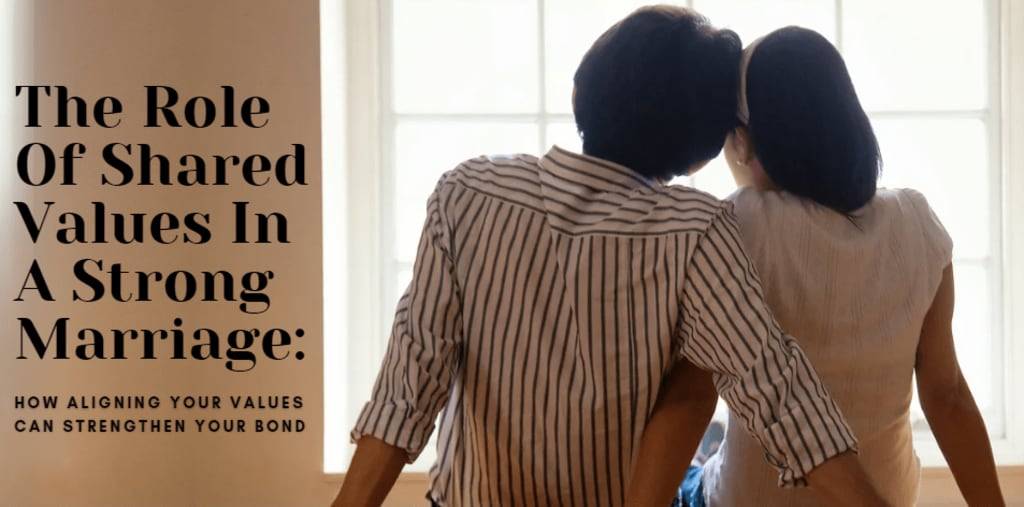
Individual values play a significant role in shaping a marriage, as they influence how partners communicate, interact, and navigate challenges together. Each person brings their own set of beliefs, priorities, and principles into a marriage, and understanding how these values interact with one another is essential for creating a harmonious and lasting relationship. Here’s how individual values shape a marriage:
Communication Style
The way partners communicate is deeply influenced by their individual values. For example, someone who values honesty and transparency may prioritize open, direct conversations, while another partner who values harmony and peace might avoid difficult discussions to prevent conflict. These differing communication approaches can either strengthen or strain the relationship, depending on how well each partner adapts to and respects the other’s preferences.
When partners share similar communication values, they are more likely to find common ground in resolving conflicts and expressing their feelings. On the other hand, if one partner values honesty above all and the other values emotional sensitivity, miscommunication can arise. It’s important for partners to recognize and appreciate each other’s communication styles, finding ways to bridge any gaps with patience and understanding.
Conflict Resolution
Individual values can greatly influence how couples approach conflict. For instance, a person who values compromise may seek a middle ground during disagreements, while someone who places higher importance on being right may feel more inclined to argue their point. Couples who have aligned values in how they resolve conflict tend to experience smoother, less volatile arguments, while couples with conflicting approaches might struggle to find common solutions.
The key to healthy conflict resolution is respect for the other person’s values, along with a commitment to resolving issues collaboratively. When both partners value respect, emotional safety, and fairness, they are more engage in productive and solution-oriented conversations rather than Getting stuck in a cycle of blame or resentment.
Shared Goals and Priorities
One of the most significant ways individual values shape a marriage is through shared goals and priorities. These values guide how couples approach life decisions, such as career choices, family planning, financial management, and lifestyle preferences. For example, one partner may value career success and ambition, while the other places a higher priority on family time and personal well-being. If these values aren’t aligned, it can lead to frustration, misunderstanding, or even feelings of neglect.
It is crucial for partners to have open discussions about their values and long-term goals, finding ways to merge their individual priorities into a unified vision for their life together. For example, one partner may be willing to adjust their work schedule or career goals to create more time for family, while the other may be open to adjusting their expectations around family responsibilities in support of their partner’s ambitions. The compromise made here can strengthen the marriage, ensuring that both partners feel heard and respected.
Emotional Needs and Support
Each person’s emotional needs are also rooted in their individual values. For example, someone who values independence may not require as much emotional support or attention as a partner who values closeness and emotional connection. Understanding these different emotional needs is essential for building a strong foundation of trust and care.
When partners can communicate their emotional needs clearly and respect the other’s needs, it creates an environment where both people feel supported and understood. Misalignments in emotional values can lead to feelings of neglect, dissatisfaction, or emotional burnout. For example, if one person highly values quality time together and the other places a higher importance on personal space, it can cause tension unless both partners actively work on balancing these needs in a way that makes them both feel Valued.
Trust and Loyalty
Trust is one of the cornerstones of any successful marriage, and individual values play a pivotal role in how trust is developed and maintained. Some individuals place great emphasis on loyalty, honesty, and reliability, believing that these qualities are essential to a strong partnership. Others might hold a more flexible approach to trust, perhaps due to past experiences or cultural upbringing.
When partners share similar values about trust, they are more likely to cultivate a strong and secure emotional connection. However, if one person values trust as an unbreakable foundation and the other sees it as something that can be earned or regained over time, there may be challenges in how the couple navigates trust-building moments.
Spirituality and Beliefs
If partners share similar spiritual or Religious values, these beliefs can create a sense of unity and common purpose in their marriage. Spirituality can provide a strong moral framework that guides decisions, interactions, and behaviors within the relationship. When there is alignment in faith, couples often find that they share common rituals, practices, and views on topics such as parenting, community involvement, and life after death.
However, if partners have different spiritual beliefs, it’s important to approach this difference with respect and an open mind. Rather than seeing it as a source of division, couples who honor each other’s individual beliefs can learn to find shared practices that honor both perspectives.
In The End
Ultimately, the values each partner brings to a marriage are crucial in shaping the relationship. The most successful marriages occur when individuals understand, respect, and navigate each other’s values in a way that promotes understanding, compromise, and connection. When differences in values arise, it’s important for couples to communicate openly, find common ground, and be willing to adjust their approaches for the sake of mutual respect and growth. By aligning on core values, partners can create a marriage that is rooted in love, trust, and shared purpose.
About the Creator
Badhan Sen
Myself Badhan, I am a professional writer.I like to share some stories with my friends.
Keep reading
More stories from Badhan Sen and writers in Marriage and other communities.
How do you handle situations where your spouse withdraws during conflict?
Handling situations where your spouse withdraws during conflict can be challenging, as it often leaves one partner feeling unheard or disconnected. Withdrawal during conflict is a common behavior and can be a sign of emotional overwhelm, fear of confrontation, or a learned response to avoid escalating a disagreement. Navigating this dynamic effectively requires understanding, patience, and clear communication. Below is a detailed approach to handling such situations.
By Badhan Senabout a year ago in Marriage
The Illusion of Grandeur: Why the Oval Engagement Ring is a Timeless Choice
The cobblestone streets of Hatton Garden, London’s historic jewellery heart, have a way of whispering stories of the past. For Oliver, standing outside a boutique atelier while a light drizzle misted his wool coat, the stakes felt incredibly high. He wasn't just looking for a piece of jewellery; he was looking for a physical manifestation of a five-year journey with Sophie.
By Mohd Kaisha day ago in Marriage
Smart phones, Humans and Aliens.
WARNING. I will be tapping into one of your favorite creative tensions: The absurdity of humans worshipping their glowing rectangles as if they were tiny oracles. There’s something deliciously poetic about that contradiction, and it lends itself beautifully to an instructive proviso.
By Novel Allen4 days ago in Poets



Comments
There are no comments for this story
Be the first to respond and start the conversation.