
How do you rebuild trust after making a mistake?
Rebuilding trust after making a mistake can be a challenging and emotional process, but it’s not impossible.

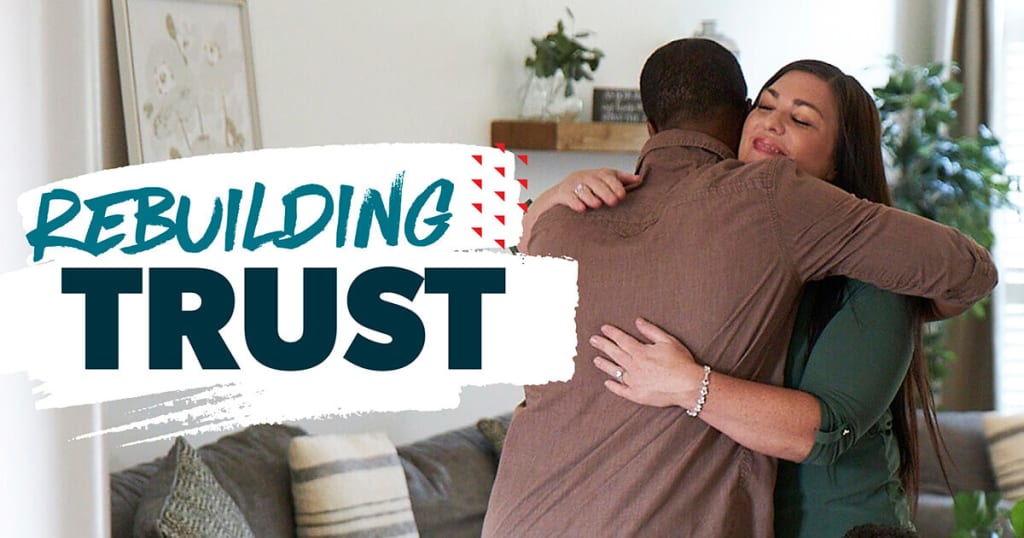
Trust is a fragile aspect of any relationship, whether it’s personal, professional, or even within oneself. When trust is broken, it can create feelings of hurt, betrayal, and uncertainty. However, with genuine effort, patience, and humility, it is possible to restore the trust that was lost. Here’s a comprehensive guide on how to rebuild trust after making a mistake.
1. Acknowledge the Mistake and Take Responsibility
The first step in rebuilding trust is acknowledging the mistake you made. This requires honesty and a willingness to confront your own actions. Avoid making excuses or deflecting blame onto others or external circumstances. A simple, direct acknowledgment of the mistake—without trying to downplay it—shows maturity and accountability. It’s crucial to be honest with yourself first and then with the person whose trust has been affected.
For example, instead of saying, "I did this because of X," say, "I made a mistake, and I take full responsibility for my actions." This shows the other person that you recognize the impact of your actions and are owning up to them, which is a Key step toward healing.
2. Apologize Sincerely
A Genuine apology goes beyond saying “I’m sorry.” It involves expressing regret for the harm caused, acknowledging the pain the other person may be feeling, and showing empathy. When you apologize, it’s important to avoid using language that shifts the focus away from the wrong you committed. For instance, don’t say, “I’m sorry if I hurt you,” as it implies that the other person’s feelings are the issue, not your behavior.
A heartfelt apology might sound like: “I deeply regret what I did, and I can only imagine how hurt you must feel because of my actions. I want to take full responsibility for what happened and do whatever I can to make it right.”
This Kind of apology helps the other person feel understood and shows that you are taking their emotions seriously.
3. Understand the Impact of Your Actions
Taking time to truly understand the emotional and practical consequences of your mistake is essential for rebuilding trust. Reflect on how your actions have affected the other person, not just in the immediate moment but in the long term. This may involve considering how your behavior impacted their sense of security, their emotions, or their future decisions.
If you can articulate the specific ways in which your mistake has hurt the other person, it shows that you are empathetic and invested in the process of healing. For example, you might say, “I know that my actions have made you feel insecure, and I understand that it may be hard for you to trust me again.”
4. Be Transparent Moving Forward
To rebuild trust, it’s important to be transparent and open with the other person about your actions and intentions. Transparency means providing clear communication about what you’re doing to make things right and demonstrating that you’re committed to change.
For example, if your mistake involved dishonesty, show the other person that you’re committed to being truthful moving forward. This could involve sharing more openly about your thoughts, feelings, and decisions, and asking for their input when appropriate. Consistently following through with honesty and openness helps show that your intentions are genuine.
5. Make Amends and Take Action
An apology alone is often not enough to rebuild trust. The key to restoring trust is demonstrating that you’re committed to change through actions, not just words. If your mistake was something that can be corrected, take concrete steps to make amends. This could mean fixing a specific problem you caused, working to prevent the same issue from occurring in the future, or providing support to the other person during their healing process.
For example, if you broke someone's trust by missing a deadline at work, your action plan might involve staying extra organized, providing regular progress updates, and ensuring that you meet your next deadline. Showing that you’re making a concerted effort to do better can go a long way in rebuilding trust.
6. Be Patient and Give Time
Rebuilding trust is a process that takes time, and it’s essential to recognize that the person whose trust has been broken may not instantly forgive or forget your actions. They might need time to heal, reflect, and decide whether they can trust you again.
During this period, it’s important to remain patient and not rush the other person. Respect their emotions and give them the space they need. In some cases, trust may be rebuilt slowly, one small action at a time. Be consistent in your behavior and allow the other person to come to their own conclusion about whether they’re ready to trust you again.
7. Be Consistent and Reliable
Trust is built over time through consistent actions. If you’ve made a mistake and are seeking to rebuild trust, you must be reliable and dependable moving forward. Follow through on promises and commitments, and avoid repeating the same mistakes. The other person needs to see that your actions match your words and that they can rely on you not to harm them again.
If trust is broken once, the person may be cautious. Therefore, it’s crucial that every action you take after the mistake reinforces your reliability. Trust is built in small, consistent steps, not in grand gestures.
8. Accept the Outcome
While you can take steps to rebuild trust, the reality is that some relationships may never fully return to what they were before the mistake. The other person may not be ready or able to trust you again. It’s essential to accept this possibility and respect their decision, regardless of how much effort you put into restoring the relationship.
In some cases, rebuilding trust can lead to stronger, deeper relationships, as it demonstrates resilience and growth. In other cases, you may need to part ways and learn from the experience.
In The End
Rebuilding trust after a mistake takes time, effort, and humility. It involves owning up to your actions, apologizing sincerely, understanding the impact of your behavior, taking concrete steps to make amends, and being patient as the other person heals. By demonstrating consistent reliability and transparency, you can gradually restore trust. However, it’s essential to understand that, even with the best efforts, trust may not always be fully restored. What’s important is that you learn from the experience and grow as an individual, showing others that you are committed to being a trustworthy and dependable person.
About the Creator
Badhan Sen
Myself Badhan, I am a professional writer.I like to share some stories with my friends.
Keep reading
More stories from Badhan Sen and writers in Marriage and other communities.
How do you build trust through everyday actions in marriage?
Trust doesn’t happen overnight; it is cultivated through everyday actions and consistent behavior that demonstrate reliability, honesty, and emotional support. Here are several ways you can build and strengthen trust in a marriage:
By Badhan Senabout a year ago in Marriage
Beyond the Carat: Why Oval Engagement Rings Are the New Standard of Elegance
Every engagement story begins with a spark, but for me, it began with a realization: not all diamonds are created equal. When I started my search for the perfect ring, I was blinded by the "Four Cs." I thought that as long as the certificate looked good, the ring would be perfect. I was wrong.
By Mohd Kaish4 days ago in Marriage



Comments
There are no comments for this story
Be the first to respond and start the conversation.