
HOW DO YOU HANDLE PERSONAL DIFFERENCES IN A MARRIAGE?
Nurturing Harmony Through Understanding and Compromise

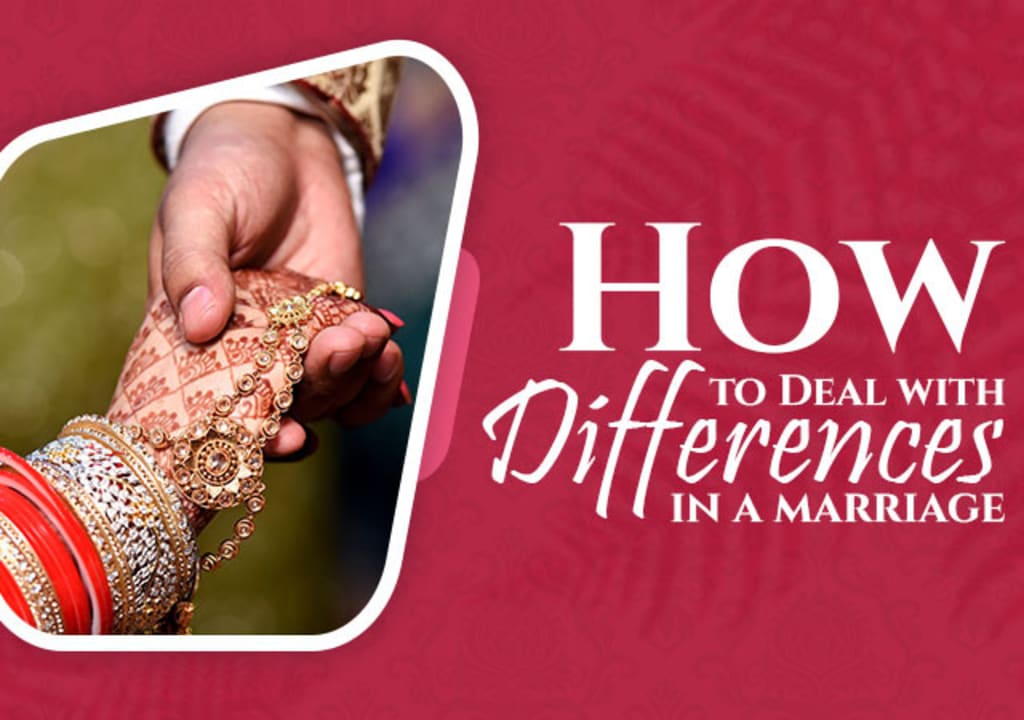
Marriage is a union of two individuals with unique personalities, experiences, and worldviews. Personal differences are inevitable, but they do not have to become insurmountable barriers. Instead, they can serve as opportunities for growth, understanding, and deeper connection. Successfully managing these differences requires commitment, effective communication, mutual respect, and adaptability. Here are some approaches to handling personal differences in marriage:
Acknowledge and Accept Differences
Every individual is unique, shaped by their upbringing, culture, and experiences. Recognizing and accepting these differences is the first step toward harmony in marriage. Rather than trying to change your partner, embrace their individuality. Acceptance fosters a sense of safety and respect, creating an environment where both partners can thrive.
For example, if one partner is introverted and enjoys quiet evenings at home, while the other is extroverted and loves socializing, both preferences should be valued. Accepting these differences can lead to finding a balance that respects both personalities.
Communicate Effectively
Open and honest communication is the cornerstone of any successful marriage. Misunderstandings often arise when couples fail to express their feelings, Needs, or concerns. To handle personal differences:
Listen Actively: Give your partner your full attention and validate their feelings, even if you don't agree.
Avoid Criticism: Focus on the issue rather than attacking your partner's character.
Express Your Needs Clearly: Use “I” statements to communicate how you feel, such as, “I feel upset when...,” instead of blaming.
Regularly discussing differences and working through them together strengthens the relationship and reduces potential conflicts.
Find Common Ground
Despite personal differences, couples often share common goals, values, or dreams. Identifying and building on these shared aspects can provide a strong foundation for the marriage. For example:
Parenting: Even if partners have different styles, they can work together on shared goals for their children
Financial Planning: Aligning on long-term goals, such as buying a home or saving for retirement, can help bridge differences in spending habits.
By focusing on what unites you, rather than what separates you, personal differences can become less significant.
Practice Empathy
Empathy involves putting yourself in your partner's shoes to understand their feelings and perspectives. This practice is essential for navigating differences:
Try to understand why your partner holds a certain opinion or behaves in a particular way.
Show compassion, especially during disagreements, by acknowledging their emotions.
For instance, if your partner is upset over something you find trivial, empathize with their feelings instead of dismissing them. This strengthens emotional intimacy and helps resolve conflicts more effectively.
Compromise and Flexibility
Marriage requires a willingness to compromise and adapt. It’s unrealistic to expect one partner to always concede, as this can breed resentment. Instead:
Negotiate Solutions: Find middle ground that respects both perspectives.
Be Flexible: Be open to adjusting your expectations or routines to accommodate your partner’s needs.
For example, if one partner prefers a structured schedule while the other thrives on spontaneity, they can alternate between planned activities and impromptu outings to satisfy both preferences.
Maintain Individual Identities
While unity is important, preserving individuality is equally crucial. Partners should have the freedom to pursue their interests, hobbies, and friendships outside the marriage. Encouraging personal growth and independence fosters a healthier relationship by preventing codependency and resentment.
For instance, if one partner loves hiking and the other prefers reading, supporting each other's hobbies allows both individuals to feel valued and fulfilled.
Seek Professional Help if Necessary
When personal differences become overwhelming or lead to recurring conflicts, seeking guidance from a counselor or therapist can be beneficial. Marriage counselors are trained to help couples navigate their differences, improve communication, and rebuild their connection.
Therapy provides a safe space to express feelings, uncover underlying issues, and develop strategies to strengthen the relationship.
Focus on the Positive
In the midst of addressing differences, it’s easy to overlook the strengths of your relationship. Regularly acknowledging and appreciating each other’s positive qualities can help shift focus away from disagreements. Gratitude and admiration create a sense of partnership and reinforce the emotional Bond.
Build a Foundation of Mutual Respect
Respect is the bedrock of a healthy marriage. Even during disagreements, treating your partner with respect ensures that conflicts do not escalate into hostility. Respecting each other’s opinions, even when they differ, fosters trust and understanding.
Practice Patience
Change and understanding take time. Patience allows both partners to navigate differences without undue pressure or frustration. Recognizing that growth is a process helps create a supportive and enduring partnership.
In The End
Personal differences in marriage are not obstacles but opportunities for growth, deeper understanding, and mutual respect. By embracing individuality, practicing empathy, communicating effectively, and being willing to compromise, couples can navigate these differences successfully. Every relationship requires effort, but the rewards of a harmonious and loving marriage far outweigh the challenges. With commitment and intentionality, personal differences can enrich a marriage, making it more resilient and fulfilling.
About the Creator
Badhan Sen
Myself Badhan, I am a professional writer.I like to share some stories with my friends.
Keep reading
More stories from Badhan Sen and writers in Marriage and other communities.
HOW DO YOU HANDLE JEALOUSY IF ONE SPOUSE IS MORE SUCCESSFUL THAN THE OTHER?
Jealousy can arise in any relationship, especially when one spouse achieves a level of success that outpaces the other. This disparity may create feelings of inadequacy, resentment, or even insecurity, which can strain the relationship. However, it is entirely possible to address and overcome these feelings with understanding, communication, and mutual support. Here are some strategies to handle jealousy and foster a stronger, healthier marriage.
By Badhan Senabout a year ago in Marriage
The Last Letter at Kew Gardens
The air in Richmond was crisp, carrying the faint, earthy scent of damp soil and the promise of early crocuses. Arthur adjusted his woollen scarf—a deep navy blue that matched his eyes—and checked his pocket watch. It was half-past ten. In London, Valentine’s Day usually arrived with a frantic rush of overpriced roses and desperate dinner reservations, but here, within the iron gates of Kew Gardens, time seemed to decelerate.
By Mohd Kaishabout 16 hours ago in Marriage



Comments
There are no comments for this story
Be the first to respond and start the conversation.