
HOW DO YOU HANDLE CHALLENGES RELATED TO STEPCHILDREN OR BLENDED FAMILIES?
Effective Strategies for Navigating the Complexities of Stepfamily Dynamics and Building Strong Relationships.

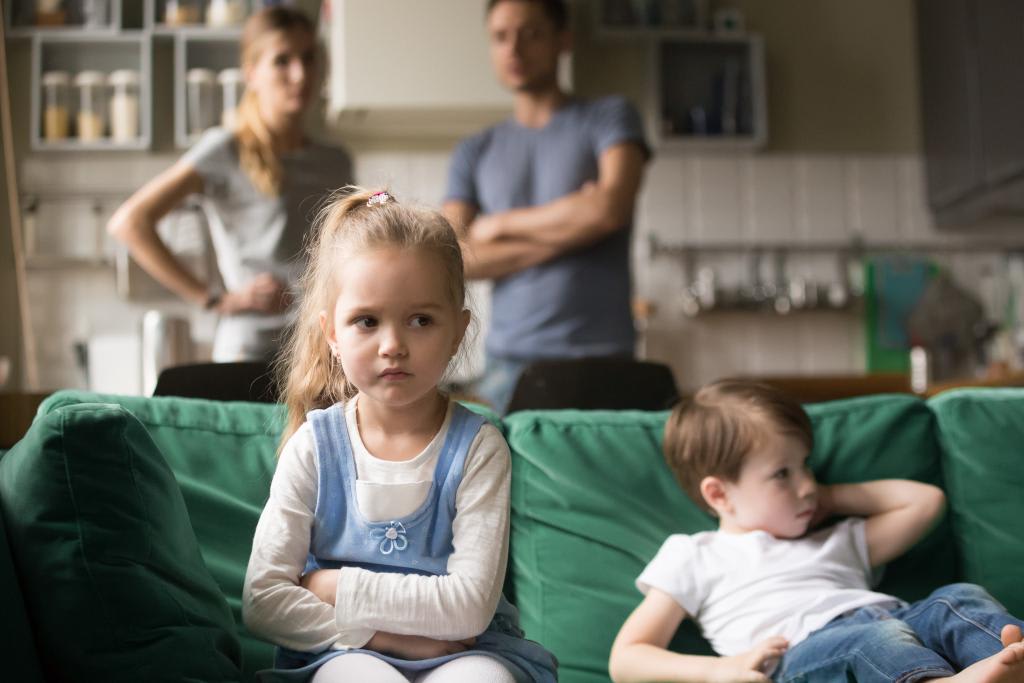
Handling challenges in stepfamilies or blended families requires patience, understanding, and effective communication. The dynamics of stepfamilies can be complex, with different personalities, histories, and emotions at play. The journey to creating a cohesive and loving family unit can be challenging, but with the right strategies, it’s possible to navigate these challenges and foster strong, positive relationships. Here's an exploration of how to handle these challenges effectively.
(I)Acknowledge the Emotional Complexity
The first step in handling challenges with stepchildren or in blended families is recognizing the emotional complexity involved. Everyone, from biological parents to stepparents and stepchildren, may be dealing with a range of emotions like grief, anger, confusion, or loyalty conflicts. Stepchildren may feel a sense of loss or betrayal when their biological parent begins a relationship with someone else. Similarly, stepparents might feel rejected or excluded, especially if the stepchildren are resistant to the New family dynamics.
Understanding that these feelings are normal is key. Each person’s emotional journey is different, and it's important to allow space for everyone to process their feelings without judgment. Creating an environment where open and honest communication is encouraged can help everyone feel heard and validated.
(II)Establish Clear Boundaries and Roles
One common challenge in blended families is the ambiguity of roles. Stepparents might not know how involved they should be in their stepchildren's lives, especially in the early stages of the relationship. Biological parents, on the other hand, may struggle with balancing their roles as partners to their spouses while still being emotionally and physically present for their children.
To address this, it's essential to establish clear boundaries and roles. Both parents (biological and stepparents) should communicate openly about their expectations for one another and their involvement in child-rearing. Stepparents should respect the boundaries set by the biological parent, especially early on, and refrain from trying to replace the child's biological parent. Instead, stepparents can build their relationship with their stepchildren by establishing trust, showing love, and being patient.
Parents must also ensure that their children understand the roles of their stepparents. It's important to explain that while the stepparent may not replace their biological parent, they can still be a trusted and caring adult in their lives. This can reduce confusion and anxiety in children and allow for a smoother transition.
(III)Foster Open Communication
Communication is critical in Blended families. Everyone should feel comfortable expressing their thoughts and concerns, and everyone’s voice should be heard. This is particularly important for stepchildren, who might feel unheard or sidelined. For stepparents, it can be challenging to find the right way to communicate with their stepchildren, especially when boundaries are still being established.
Encouraging regular family meetings can help. During these meetings, everyone, including children, can share their feelings and concerns in a safe, non-judgmental environment. It’s also important for parents to model healthy communication and conflict resolution skills. Children who see their parents working together to resolve conflicts are more likely to adopt similar behaviors in their own relationships.
(IV)Be Patient and Allow Time for Adjustment
Blending families is not something that happens overnight. It takes time for relationships to evolve, especially between stepchildren and stepparents. The process of integrating a new person into a child's life can be slow, and it’s important not to rush it. The stepparent should avoid putting pressure on the child to accept them right away. Instead, they should focus on building a strong bond through shared experiences, such as spending time together doing fun activities, and showing consistent care and support.
Patience is also essential when it comes to the biological parent’s relationship with their child. A child might feel conflicted about their loyalty to their biological parent and may struggle to accept the new partner. The biological parent should be prepared to offer reassurances, and it’s important not to push the child into accepting the stepparent before they are ready.
(V)Seek Professional Help if Needed
If the challenges of blended family dynamics become overwhelming, it might be helpful to seek professional support. Family therapists or counselors can offer valuable insights into family dynamics and help family members work through issues in a constructive way. Therapy can be particularly helpful in addressing unresolved grief, trust issues, or communication breakdowns, and it can provide guidance on how to build stronger relationships between stepparents and stepchildren.
Additionally, seeking support from other blended families or joining a support group can provide a sense of community and reduce feelings of isolation. Understanding that you are not alone in your challenges can be comforting and empowering.
(VI)Focus on Building Positive Experiences Together
Finally, one of the most important ways to overcome challenges in blended families is by focusing on creating positive experiences together. Family vacations, shared hobbies, or even small traditions can help build a sense of unity and togetherness. By engaging in fun, stress-free activities, family members can build memories that strengthen their emotional bonds.
It’s also crucial to celebrate milestones together, whether it’s birthdays, anniversaries, or other special occasions. Celebrating together helps reinforce the idea that, despite the complexities of family dynamics, love, respect, and commitment are central to the family’s success.
In The End
Handling challenges in stepfamilies requires patience, empathy, and proactive communication. By acknowledging the emotional complexity, establishing clear roles, fostering open communication, and giving time for adjustment, blended families can gradually build strong and meaningful relationships.
About the Creator
Badhan Sen
Myself Badhan, I am a professional writer.I like to share some stories with my friends.
Keep reading
More stories from Badhan Sen and writers in Marriage and other communities.
WHAT ROLE DO IN-LAWS PLAY IN YOUR MARRIAGE?
In-laws, particularly the family members of a spouse, can have a significant influence on a marriage. Their roles can vary depending on cultural practices, family dynamics, personal preferences, and geographic proximity. However, the relationship with in-laws can be one of the most important external factors that impact a marital relationship. Below is a detailed exploration of how in-laws play a role in a marriage.
By Badhan Senabout a year ago in Marriage


Comments
There are no comments for this story
Be the first to respond and start the conversation.