
How do you ensure your disagreements don’t Negatively affect your children?
Ensuring Disagreements Don’t Negatively Affect Children

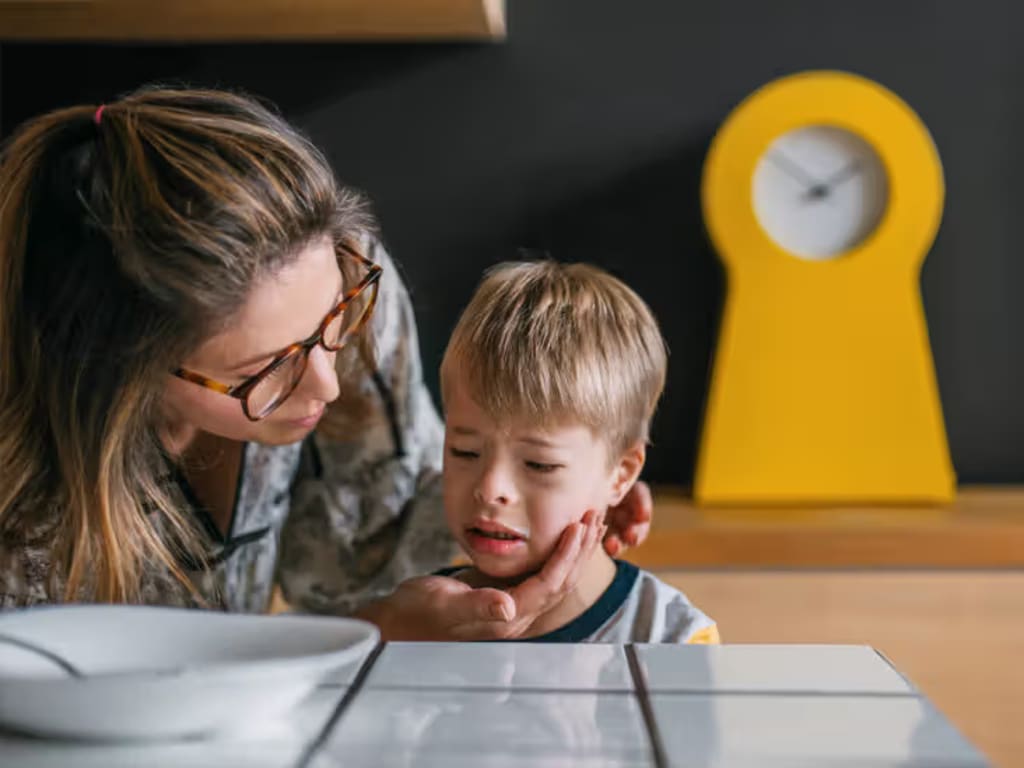
Disagreements are a natural part of any relationship, including that of parents. While occasional conflicts are unavoidable, it is crucial for parents to recognize the profound impact their behavior can have on their children. Kids are incredibly perceptive and often pick up on tension or discord even when it isn’t directly addressed. Unchecked conflicts can lead to emotional distress, anxiety, and a sense of insecurity in children. However, by handling disagreements in a constructive manner, parents can model healthy conflict resolution and ensure their children Grow up in a stable and Nurturing environment.
Here are several strategies to ensure that parental disagreements do not Negatively affect children:
(I)Keep Disagreements Private
One of the most effective ways to protect children from the Negative effects of disagreements is to ensure conflicts are not played out in front of them. Heated arguments can leave children feeling scared or confused, as they may not fully understand the situation. It is important for parents to address conflicts in private, away from the ears and eyes of their children. If emotions begin to escalate while children are present, it’s best to take a pause, agree to discuss the matter later, and redirect attention to providing a sense of normalcy for the child.
(II)Remain Respectful
Even during disagreements, it’s vital to maintain a tone of respect and civility. When parents resort to yelling, name-calling, or other aggressive behaviors, they not only harm their relationship but also set a poor example for their children. On the other hand, modeling respectful communication—using "I" statements, avoiding blame, and actively listening—teaches children that it’s possible to resolve differences without hostility. This helps them develop their own healthy communication skills.
(III)Avoid Involving Children
It’s essential to avoid putting children in the middle of parental conflicts. Asking a child to take sides, delivering messages between parents, or venting frustrations to them about the other parent places undue emotional pressure on the child. This can lead to feelings of guilt, confusion, and resentment. Children should never feel responsible for solving adult problems. Instead, parents should keep their disagreements as a matter between themselves and seek appropriate outlets, such as a friend or therapist, for additional support.
(IV)Reassure Children
Even when parents take steps to shield their children from conflicts, children may still sense when something is amiss. In such cases, it’s important to reassure them that disagreements are a normal part of relationships and that the conflict is not their fault. Simple affirmations like, “Sometimes adults disagree, but we’re working on it and everything will be okay,” can go a long way in providing children with a sense of stability and security.
(V)Resolve Conflicts Constructively
Children learn from what they observe. If parents resolve disagreements in a calm and constructive manner, they send a powerful message about the importance of compromise and mutual understanding. Finding solutions together, expressing forgiveness, and moving forward without lingering resentment demonstrates to children that conflicts can be opportunities for growth rather than sources of division. This approach fosters emotional resilience and teaches children the Value of cooperation.
(VI)Monitor Emotional Impact
Even with the best intentions, conflicts can sometimes affect children in subtle ways. Parents should pay attention to changes in their child’s behavior, such as increased anxiety, withdrawal, or difficulty concentrating. If signs of distress emerge, it may be helpful to have an open and age-appropriate conversation with the child about what they’re feeling. Encouraging them to express their emotions and validating their feelings can help alleviate their worries and reinforce their sense of safety.
(VII)Focus on a Unified Front
When it comes to parenting decisions, disagreements are bound to occur. However, it’s important for parents to present a united front to their children. Openly contradicting or undermining each other in front of children can lead to confusion and insecurity. Instead, parents should strive to find common ground and discuss parenting approaches privately. By showing unity, parents help their children feel supported and avoid creating a dynamic where the child may attempt to manipulate one parent against the other.
(VIII)Seek Professional Help When Needed
If conflicts between parents become frequent, intense, or unmanageable, seeking professional support from a counselor or mediator can be a valuable step. Therapy can provide a neutral space for parents to address their differences, improve communication skills, and work toward a healthier relationship. This not only benefits the parents but also creates a more harmonious environment for the children.
(x)Model Healthy Emotions
Parents are their children’s first role models, and the way they handle disagreements can shape how their children approach conflict in their own lives. Demonstrating emotional regulation—staying calm, managing frustration, and resolving issues without resorting to anger—helps children understand that it’s okay to feel strong emotions but that there are healthy ways to process and express them.
In The End
Disagreements between parents are inevitable, but their impact on children can be managed through thoughtful and intentional behavior. By prioritizing privacy, maintaining respect, and fostering constructive communication, parents can create an environment where their children feel safe, secure, and loved. Importantly, these efforts not only protect children from the adverse effects of conflict but also equip them with valuable life skills for managing relationships in the future. Through patience, understanding, and a commitment to growth, parents can turn disagreements into opportunities to strengthen their family bonds.
About the Creator
Badhan Sen
Myself Badhan, I am a professional writer.I like to share some stories with my friends.
Keep reading
More stories from Badhan Sen and writers in Marriage and other communities.
How do you adapt to changes in your partner’s health?
Adaptation to changes in a partner’s health is one of the most challenging Yet significant aspects of a relationship. Whether these changes are physical, mental, or emotional, they can impact your daily life, routines, and relationship dynamics. Navigating these shifts requires compassion, resilience, and effective communication. Below, we’ll explore how to adapt to changes in your partner’s health while fostering emotional connection and mutual support.
By Badhan Senabout a year ago in Marriage



Comments (1)
What a great parenting education lesson for adults.