
How do you approach honesty in situations that may be uncomfortable or difficult?
Honesty is often regarded as one of the most important virtues in building trust, fostering genuine relationships, and maintaining integrity.

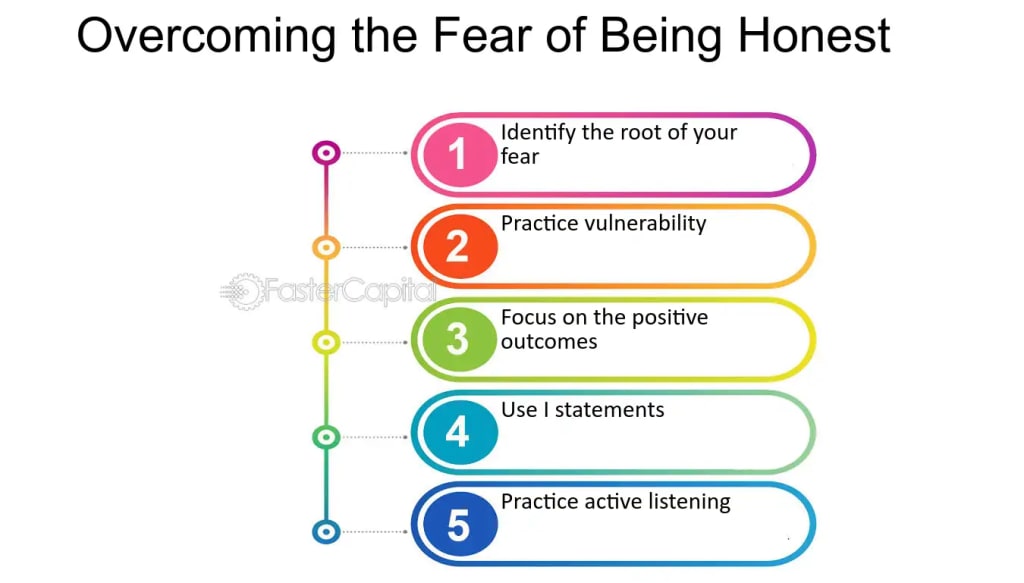
However, in situations where the truth may be uncomfortable or difficult, the approach to honesty can become more complex. How do we balance being truthful with the potential for causing discomfort or conflict? The key lies in understanding the nature of the situation, the needs of the individuals involved, and how the message can be communicated effectively and compassionately.
1. Understanding the Importance of Honesty
Honesty is vital because it helps to establish authenticity and trust. Whether in personal relationships, the workplace, or within larger social structures, truth fosters transparency and prevents misunderstandings. Without honesty, relationships can become clouded by doubt and suspicion. Therefore, it is crucial to remember that, in the long run, honesty usually supports healthier, more stable relationships.
However, being honest doesn’t mean sharing every thought or revealing every truth in every circumstance. There’s a difference between being truthful and being tactless. It is possible to be honest while being considerate of the emotional impact of the words we choose.
2. Assessing the Situation
Before addressing an uncomfortable truth, it’s important to assess the situation thoroughly. Ask yourself:
What is the purpose of sharing this truth? Consider whether revealing this information is for the benefit of the person receiving it or for your own emotional relief.
Is the person ready to hear the truth? Some truths may be difficult to process, and not everyone is in the right emotional or mental space to receive certain information. Timing matters.
What are the potential consequences? Think through the potential outcomes of revealing the truth. Could it lead to unnecessary harm, or could it help resolve an issue in the long run?
This assessment helps ensure that honesty isn’t wielded recklessly, but is applied with thoughtful intention.
3. Compassionate Honesty: Balancing Truth with Empathy
Honesty should not be used as a shield to justify being harsh or unkind. The truth is powerful, but it should be delivered with care. When confronted with a difficult conversation, approach it with empathy, understanding that the recipient may feel vulnerable, shocked, or hurt by what is being said. Compassionate honesty means that, while the truth is shared, the person’s feelings are also considered.
For example, if providing feedback to a colleague or friend, instead of bluntly pointing out their mistakes, try framing the truth in a way that focuses on growth and improvement. For instance, "I’ve noticed that you seem overwhelmed with your workload lately. I think it might help if we find a way to balance the tasks more effectively, so you don’t feel burdened," is far more constructive than saying, "You’ve been failing at your job recently."
Framing difficult truths in a compassionate way can allow the recipient to absorb the message without feeling attacked, and it can create space for resolution or improvement.
4. Timing and Context Matter
Sometimes, the timing and context in which honesty is shared can make a huge difference. There are instances where immediate honesty may feel necessary, but there are also times when waiting for a better moment is more appropriate. If emotions are running high, or if the person is dealing with a particularly stressful situation, then sharing difficult truths could feel overwhelming. On the other hand, if you delay sharing the truth for too long, the other person may feel betrayed when they eventually learn the truth.
In some cases, offering honesty in smaller, more digestible pieces over time may be more effective than delivering a blunt, overwhelming statement all at once. This approach ensures that the person has space to process each piece of information.
5. Fostering Open Communication
In any relationship, whether personal or professional, fostering an environment where open communication is valued can make honesty easier. When people feel comfortable sharing their thoughts without fear of judgment or retaliation, honesty can flow more freely and naturally. Regular, open conversations help to create a foundation where uncomfortable truths can be addressed without fear of conflict.
Additionally, it’s important to create an atmosphere where others feel comfortable offering their honest opinions in return. This requires not only sharing your own truths but also listening and respecting the truths of others.
6. Being Honest with Yourself
Honesty isn’t just about how we interact with others; it also extends to how we view ourselves. Being honest with oneself is just as important in ensuring that we approach difficult situations with clarity and integrity. If we’re dishonest with ourselves about our feelings, motives, or actions, it can complicate how we navigate challenging conversations. Self-awareness allows for more thoughtful communication, where we aren’t just expressing the truth to others but also being transparent with our own internal process.
In The End
Approaching honesty in difficult situations requires a delicate balance of being truthful while also being considerate of others’ emotions and needs. It involves assessing the context, timing, and potential outcomes before delivering a message. Compassionate honesty emphasizes empathy, and it should be the foundation of all difficult conversations. By being mindful of both our own feelings and those of others, we can create an environment where honesty is not only appreciated but also leads to growth, trust, and deeper connections. Ultimately, while honesty may be uncomfortable at times, its power to promote understanding and resolution often outweighs any initial discomfort.
About the Creator
Badhan Sen
Myself Badhan, I am a professional writer.I like to share some stories with my friends.
Keep reading
More stories from Badhan Sen and writers in Marriage and other communities.
How do you deal with instances where your spouse feels betrayed, even unintentionally?
Dealing with a situation where your spouse feels betrayed, even unintentionally, can be challenging. It requires understanding, patience, and effective communication.Below are several strategies for addressing this delicate issue.
By Badhan Senabout a year ago in Marriage




Comments
There are no comments for this story
Be the first to respond and start the conversation.