
HOW DO YOU APPROACH DISCIPLINE IN YOUR HOUSEHOLD?
Establishing Clear Expectation and Consistent Consequences while fostering open Communication and Respect.

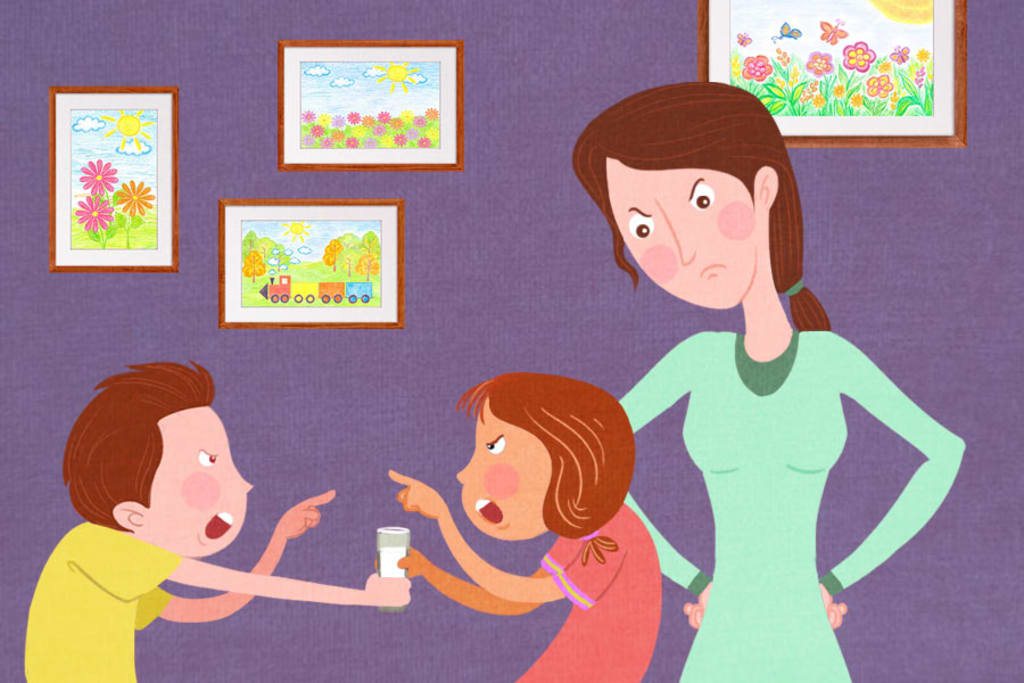
Discipline in the household is an essential aspect of creating a nurturing, respectful, and well-structured environment. In my approach to discipline, I aim for a balanced strategy that prioritizes understanding, consistency, and positive reinforcement, rather than focusing on punishment alone. I believe that discipline should not only guide behavior but also help children learn about responsibility, empathy, and making choices that align with values of respect, Kindness, and honesty.
(I)Establish Clear Expectations and Rules
The first step in a disciplined household is having clear and well-communicated expectations. It’s important that everyone in the household understands the rules and their significance. For instance, rules around bedtime, chores, screen time, and respecting others’ personal space should be defined in simple, clear terms. When children understand the purpose behind these rules, they are more likely to follow them because they know what is expected and why.
A simple rule like "Treat others as you want to be treated" can become a foundation for a lot of behavioral guidance. Regularly reinforcing these rules ensures that they are at the forefront of daily interactions. Consistency in these expectations helps children feel secure, as they know what is acceptable and what is not.
(II)Focus on Positive Reinforcement
While consequences for misbehavior are important, positive reinforcement plays an equally important role in shaping behavior. I believe in praising children for making good choices and demonstrating positive behavior. This can be done through verbal praise, rewards, or simply acknowledging their efforts. For example, if a child completes their chores on time, I might say, "I really appreciate how you took responsibility for your tasks today." This reinforces the behavior and encourages them to continue making similar decisions.
When positive behavior is consistently acknowledged, children develop a sense of pride and self-worth, which motivates them to continue striving for good behavior. It’s important to note that positive reinforcement is not about bribing children with treats or material rewards, but rather acknowledging the value of their actions and choices.
(III)Natural Consequences
In addition to setting clear expectations, I believe that natural consequences are a powerful tool in teaching discipline. Instead of relying solely on external punishment, allowing children to experience the Natural consequences of their actions helps them understand the real-world outcomes of their choices. For example, if a child neglects to complete their homework, the natural consequence might be that they receive a lower grade or miss out on a fun activity because they didn’t prioritize their tasks.
Natural consequences encourage children to think critically about their decisions and learn from their mistakes. It also helps them develop a sense of responsibility for their actions and fosters independence. However, it's essential to ensure that the consequences are proportional and fair, so the child understands the cause-and-effect relationship Between their behavior and the outcome.
(IV)Setting Boundaries with Empathy
Discipline is not just about enforcing rules—it’s also about understanding and empathy. When a child misbehaves, I approach the situation with compassion rather than anger. This means taking the time to listen to the child’s perspective and trying to understand the underlying reasons behind their actions. For instance, if a child refuses to do their homework, instead of immediately reacting with frustration, I might ask, “Is something Bothering you?” or “Are you feeling overwhelmed?”
By Responding with empathy, children feel understood and supported, which often leads to more open communication and cooperation. It also shows them that discipline is not about being punitive, but about guiding them towards making choices in the future. Empathy allows for a calmer and more thoughtful approach to discipline, reducing tension and fostering a more positive atmosphere.
(V)Consistency and Fairness
Consistency is critical when it comes to discipline. Children thrive on routine and predictability, so applying rules and consequences consistently helps them feel safe and secure. If rules change constantly or are applied inconsistently, it creates confusion and can lead to power struggles. I make an effort to stay consistent in enforcing rules, even when it feels easier to let things slide.
However, fairness is just as important as consistency. Each child is unique, and what works for one may not work for another. I make sure that the consequences I set are age-appropriate and take into account each child’s individual temperament and needs. Treating each child fairly ensures they feel valued and understood, and it builds trust within the family.
(VI)Modeling Desired Behavior
As a parent or guardian, modeling the behavior you want to see in your children is perhaps the most important aspect of discipline. Children often learn by observing, so demonstrating respectful communication, emotional regulation, and problem-solving skills is essential. For example, if I’m feeling frustrated, instead of reacting impulsively, I might say, “I’m feeling upset right now, so I’m going to take a few deep breaths before I talk about this.” This teaches children how to manage their emotions and approach difficult situations with patience and maturity.
In The End
Discipline in the household should be a dynamic, nurturing process rather than a rigid, punitive one. By creating a foundation of clear expectations, positive reinforcement, empathy, natural consequences, and consistency, children can develop a strong sense of responsibility, respect, and emotional intelligence. At the heart of this approach is the belief that discipline should be about guiding children towards becoming responsible and kind individuals, equipped with the skills they need to make positive choices in life.
About the Creator
Badhan Sen
Myself Badhan, I am a professional writer.I like to share some stories with my friends.
Keep reading
More stories from Badhan Sen and writers in Marriage and other communities.
HOW DO YOU DEAL WITH DIFFERENCES IN PARENTING PHILOSOPHIES BETWEEN YOU AND YOUR SPOUSE?
Dealing with differences in parenting philosophies between you and your spouse is a common challenge for many couples, but it's an essential aspect of building a harmonious and supportive family environment. Parenting is a deeply personal experience influenced by individual values, childhood experiences, and cultural backgrounds, so disagreements on approaches are normal. The key lies in how couples navigate and reconcile these differences while maintaining mutual respect and cooperation. Below are some strategies for dealing with differing parenting philosophies between you and your spouse.
By Badhan Senabout a year ago in Marriage


Comments (1)
My parents were of the authoritative/permissive type. We had chores and if we did not do them we were punished like no supper or take away something we liked or wanted to do. Good essay on parenting skills.