
How do you approach changes in your physical relationship as you Grow older?
Physical Changes and Their Impact

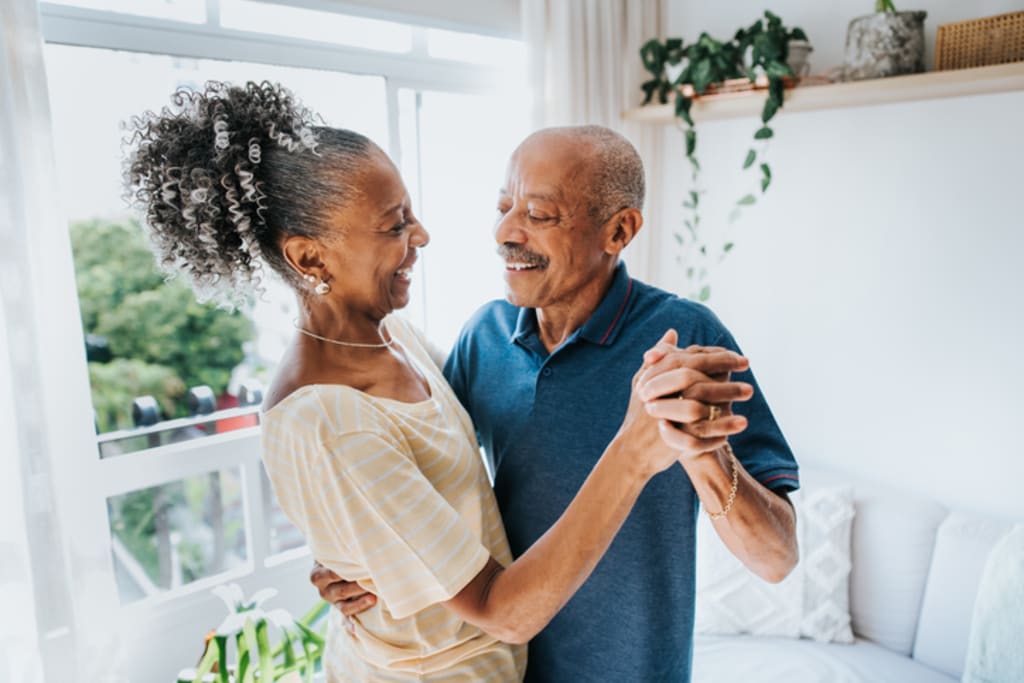
As we age, our physical relationships evolve in ways that are shaped by both biological and psychological factors. These changes are inevitable, but they don't necessarily have to be negative. Instead, they can provide an opportunity for growth, understanding, and deeper connection within relationships. This can apply to romantic partnerships, friendships, family dynamics, and even the way we relate to ourselves and our bodies.
One of the most obvious ways in which physical relationships change as we grow older is through the changes in our bodies. The natural aging process affects our skin, muscles, energy levels, and sexual health. These changes can sometimes bring about feelings of discomfort, insecurity, or frustration, but they can also be an opportunity for greater intimacy, empathy, and communication with others.
Health and Physical Abilities
As we age, our physical strength and endurance tend to decrease. This can impact everything from the way we engage in physical activities with others to how we maintain intimacy in romantic relationships. For instance, in a romantic partnership, physical intimacy may evolve. What was once frequent or spontaneous may become less frequent, or the types of physical affection may shift. For example, gentle touches, shared moments of quiet closeness, or non-sexual forms of affection may take precedence.
This period of adjustment requires open communication between partners. Being open about limitations or desires can deepen the emotional connection and foster a sense of mutual respect and understanding. Rather than focusing solely on sexual intimacy, couples may find more joy in other forms of physical closeness, such as holding hands, hugging, or simply sitting together.
Health
Health is another significant aspect of physical relationships that changes over time. Hormonal shifts, such as menopause in women or a decrease in testosterone in men, can lead to changes in libido, sexual function, and arousal. For many, this can lead to a period of adjustment, but it doesn't mean that intimacy has to come to an end.
Many people report that, as they age, they become more comfortable with their bodies and more attuned to their needs and desires. This self-awareness can lead to a more fulfilling and meaningful sexual relationship. Couples may explore new ways to maintain intimacy, such as trying different forms of sexual expression or focusing on the emotional connection. Consulting with healthcare professionals about any concerns can also be an important part of maintaining a healthy and satisfying physical relationship.
Emotional and Psychological Changes
Beyond physical changes, the emotional and psychological aspects of relationships evolve as well. Aging often brings increased emotional maturity and a deeper understanding of one’s self and others. These factors can contribute significantly to how we approach physical relationships.
Increased Empathy and Communication
As we grow older, we often develop greater empathy and a more nuanced understanding of the people around us. These emotional changes can be especially beneficial in intimate relationships. For example, when couples experience physical changes, such as illness or aging bodies, they may approach these changes with more compassion and patience than they did in their younger years.
Effective communication becomes more important with age, especially as one’s body changes. Being able to express concerns, desires, or limitations in a loving and non-judgmental way can help partners adapt to the shifts in their physical connection. It can also foster a stronger bond, as both partners understand each other’s needs and are willing to compromise and adapt.
Shifting Expectations
With age, our priorities and expectations often shift. When younger, physical attraction and sexuality may have been primary focuses, but as people mature, emotional connection, shared experiences, and trust become more important. Older individuals may find that their relationships become less about the physical and more about the emotional, intellectual, and spiritual connection.
This shift can sometimes create challenges, particularly if one partner struggles with accepting these changes. However, those who can embrace the evolution of their relationship—both physically and emotionally—often report feeling more connected, more secure, and more content in their bonds with others.
Navigating Changes with Grace
Accepting changes in physical relationships requires patience and understanding, both with oneself and with others. Here are a few tips for navigating this transition:
Self-Acceptance: Aging is a natural process, and learning to accept changes in one’s body can lead to greater confidence and peace. Accepting physical changes in ourselves is often the first step toward accepting them in others.
Open Communication: Discussing physical and emotional changes with loved ones is crucial. These conversations help to manage expectations and ensure that everyone feels heard and respected.
Exploring New Forms of Intimacy: As physical changes occur, exploring new forms of intimacy can keep relationships fresh and fulfilling. This could include finding new ways to show affection, trying new activities, or taking the time to connect on an emotional level.
Seeking Support: Professional help, such as counseling or therapy, can provide support during transitions. Whether it’s for sexual health concerns, relationship struggles, or personal adjustment, seeking help can be a valuable tool in maintaining a healthy physical relationship.
Conclusion
As we grow older, the changes in our physical relationships may initially seem daunting, but they also provide an opportunity for greater emotional depth, stronger bonds, and richer connections. By embracing these changes with patience, empathy, and open communication, we can continue to nurture and enjoy meaningful physical relationships throughout our lives.
About the Creator
Badhan Sen
Myself Badhan, I am a professional writer.I like to share some stories with my friends.
Keep reading
More stories from Badhan Sen and writers in Marriage and other communities.
How do you manage long-term challenges together, such as health issues or financial difficulties?
In relationships, these challenges can either strengthen the bond between individuals or strain it, depending on how they are approached. Here’s a comprehensive look at how to navigate such challenges together:
By Badhan Senabout a year ago in Marriage



Comments
There are no comments for this story
Be the first to respond and start the conversation.