
Bridal Mehndi Design: A Timeless Wedding Tradition
Wedding Mehndi Design
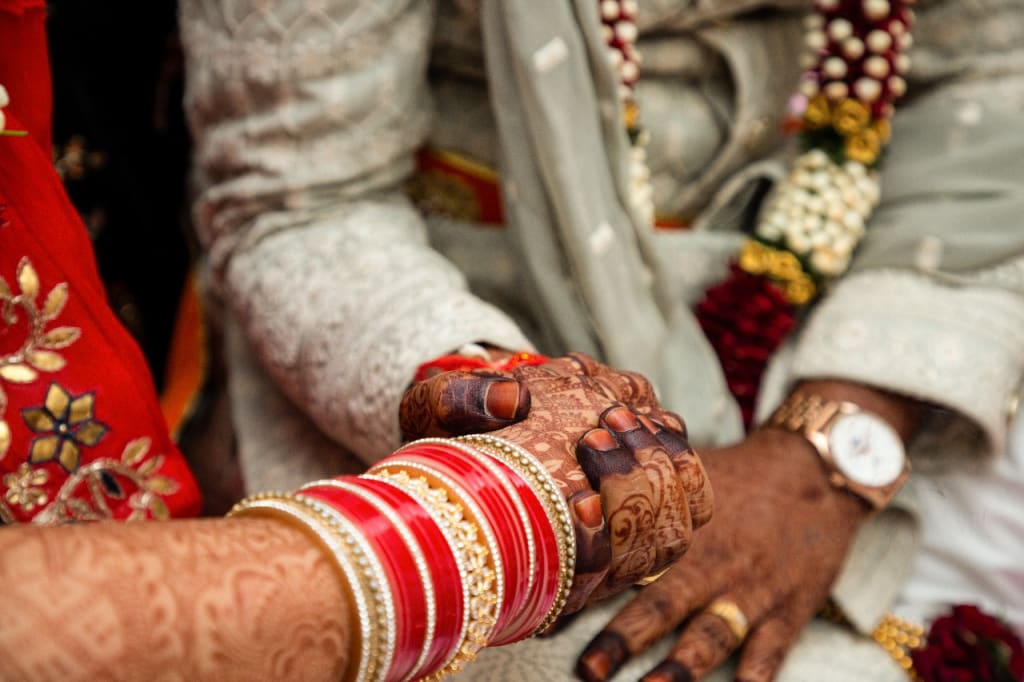
When it comes to weddings, particularly in South Asian cultures, mehndi (henna) is more than just an art form—it is a symbol of love, happiness, and cultural heritage. The tradition of applying mehndi on the bride’s hands and feet is deeply ingrained in many South Asian weddings, and it’s considered one of the most significant pre-wedding rituals. A bride’s mehndi design is often one of the most anticipated elements of her bridal look, adding an exquisite and intricate touch to her overall appearance. It’s not just about the aesthetics; it’s about the significance it holds and the way it connects the bride to her cultural roots and the joyous occasion she is about to celebrate.
The Significance of Bridal Mehndi
Mehndi has a rich history that dates back thousands of years. It is believed to have originated in the ancient cultures of the Middle East, and over time, it spread across South Asia, becoming a vital part of wedding rituals. For centuries, brides have adorned their hands and feet with henna as a sign of auspiciousness, joy, and good fortune. In some cultures, mehndi is seen as a form of blessing from the elders, a way to ensure prosperity, fertility, and happiness in the bride’s married life.
The intricate patterns that fill the bride's hands and feet are often symbolic. They represent beauty, spirituality, and a deep connection to cultural heritage. Traditionally, the designs are intended to bring luck and good fortune to the bride. In some cultures, the color and longevity of the mehndi stain are considered a reflection of the bride’s love and the groom’s affection for her. The deeper the stain, the stronger the love, with some brides even choosing to have their mehndi designs incorporate personal motifs or symbols, such as the initials of the bride and groom or representations of their love story.
Top Bridal Mehndi Design Styles
Bridal mehndi designs vary greatly across different regions and cultures, with each style having its own distinct charm. Some of the most popular mehndi styles include:
Traditional Indian Mehndi Designs
Indian bridal mehndi designs are known for their elaborate patterns, often featuring intricate peacock, paisley, and floral motifs. These designs are highly detailed and can cover the entire hands and feet, creating a grand and majestic look. The motifs are often symbolic, representing different aspects of the bride’s life and personality. Peacocks, for example, are a symbol of beauty, while paisleys represent fertility and life. Indian bridal mehndi designs are famous for their intricacy and ornate appearance, making them the perfect choice for brides who want a bold and beautiful look.
Arabic Mehndi Designs
Arabic mehndi designs, on the other hand, are characterized by their minimalistic yet striking patterns. Unlike the highly detailed Indian designs, Arabic mehndi tends to feature bold, flowing lines that create an elegant and fluid look. The patterns often include leaves, vines, and flowers, with a more open, less dense approach to design. This style is perfect for brides who want a less cluttered yet still intricate design. The flowing lines also allow for a more modern and sophisticated feel, making it a popular choice for contemporary brides.
Pakistani Bridal Mehndi Designs
Pakistani bridal mehndi designs often combine elements of both Indian and Arabic styles, resulting in a beautiful blend of intricate details and bold, flowing lines. These designs often include traditional motifs such as domes, mandalas, and bridal figurines. Pakistani designs are known for their symmetry, with patterns covering not just the hands but also extending up the arms and sometimes even the legs. This style is ideal for brides who want a balance between traditional and modern elements.
Moroccan Mehndi Designs
Moroccan mehndi designs are unique in their geometric and structured patterns. These designs focus on bold shapes and sharp lines, which give them a modern and sophisticated look. Though not as common as other styles, Moroccan mehndi is perfect for brides who want to break away from traditional motifs and add a distinctive touch to their wedding look.
Minimalist Mehndi Designs
For brides who prefer simplicity and elegance, minimalist mehndi designs have become increasingly popular. These designs focus on clean lines, subtle motifs, and small, delicate symbols such as hearts, initials, or even geometric shapes. While minimalism may seem understated, it allows for a modern, stylish approach to mehndi that is perfect for contemporary brides who want something fresh and subtle.
Latest Trends in Bridal Mehndi
As bridal mehndi designs evolve, new trends are emerging that incorporate modern twists on traditional designs. Some of the latest trends in bridal mehndi include:
Personalized Mehndi
Personalized mehndi is becoming a favorite among modern brides who want to add a special touch to their designs. By including elements like the wedding date, initials, or even tiny portraits of the bride and groom, brides can create a unique and personal connection to their mehndi. These personalized touches make the design more meaningful and add an intimate element to the wedding celebration.
White Mehndi
For brides looking for a contemporary and unconventional look, white mehndi is gaining popularity. White henna designs, often applied with special non-traditional paste, stand out against the skin, offering a striking contrast. This trend is perfect for brides who want a more subtle, yet still beautiful, look that deviates from the classic deep brown or red stains of traditional mehndi.
Glitter Mehndi
Glitter mehndi is a fun and glamorous option for brides who want to make a bold statement. By adding glitter to the henna design, brides can elevate the overall appearance of their mehndi, giving it a sparkling, eye-catching effect. Glitter mehndi is perfect for brides who want their mehndi to have that extra shine, making their hands and feet stand out in the wedding photos.
3D Mehndi
Another modern trend in bridal mehndi is the 3D mehndi design, which involves creating a layered effect on the skin, giving the design a more dynamic and textured appearance. These designs can be particularly striking, with patterns appearing to pop out from the skin, offering a unique twist on traditional mehndi art.
Choosing the Perfect Mehndi Artist
To achieve your dream bridal mehndi design, it’s essential to hire a skilled mehndi artist who specializes in bridal patterns. Take the time to research and browse through portfolios, read reviews from other brides, and, most importantly, discuss your preferences in detail with the artist before finalizing your decision. A professional artist will not only be able to create the intricate patterns you envision but also offer advice on the design that best suits your personality and wedding theme.
Tips for Long-Lasting Mehndi Stains
To ensure your mehndi looks vibrant for as long as possible, here are some helpful tips for achieving a long-lasting stain:
Prepare Your Skin: Cleanse and exfoliate your hands and feet before applying mehndi to ensure that the henna can adhere properly.
Lemon and Sugar Mix: Dab a mixture of lemon juice and sugar on the dried mehndi to enhance the stain and help it last longer.
Avoid Water: Keep your hands and feet away from water for at least 24 hours after application to prevent the mehndi from fading prematurely.
Natural Oils: Apply eucalyptus oil before applying mehndi, and afterward, use coconut oil to maintain the richness and longevity of the stain.
Conclusion
Bridal mehndi designs are a timeless tradition that continues to evolve with modern trends. Whether you prefer traditional patterns or a contemporary twist, your bridal mehndi will always hold a special place in your wedding memories. It is a beautiful expression of culture, love, and joy, reflecting the bride’s unique style and personality. Choose a design that reflects your style and cultural roots, and let the artistry of henna add to the magic of your big day.
About the Creator
Keep reading
More stories from writers in Marriage and other communities.
Miss Persephone's Manual to a Seemingly Ordinary Life
Miss Persephone was found at the dining table, her blue eyes swollen, her tears arriving and retreating like the tides of the ocean. Earlier that day, her family had visited her in the retirement home where she had lived for eight years. It was her eightieth birthday.
By Imola Tóth6 days ago in Fiction


Comments