
"Blissful Union: Embracing South Indian Wedding Traditions"
Melodies of Matrimony: A South Indian Symphony"

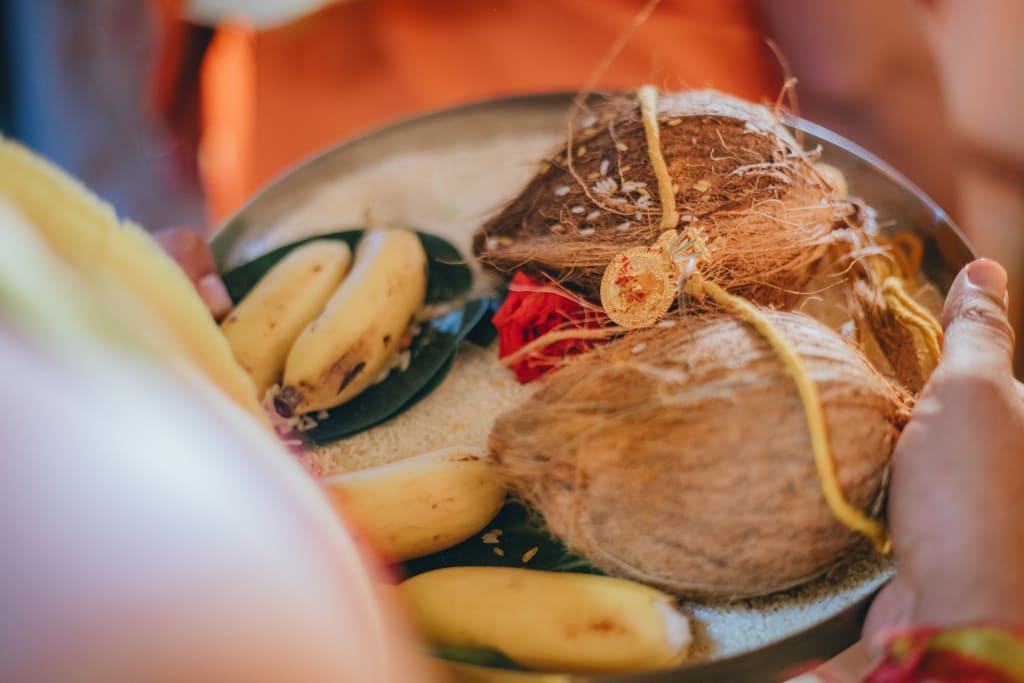
South Indian weddings are special for several reasons
Rich Cultural Heritage: South Indian weddings are deeply rooted in ancient traditions and customs that have been passed down through generations. These rituals reflect the rich cultural heritage of the region and showcase the unique traditions and values of South India.
Elaborate Ceremonies: South Indian weddings are known for their elaborate and vibrant ceremonies. From the grand entrance of the groom to the intricate rituals performed during the wedding ceremony, each step is carefully planned and executed with utmost precision and beauty.
Traditional Attire: The attire worn by the bride and groom in a South Indian wedding is incredibly stunning. The bride typically wears a beautiful silk saree with intricate designs and heavy gold jewelry, while the groom adorns himself in a traditional dhoti and silk angavastram. The vibrant colors and intricate details of the attire add to the overall beauty and charm of the wedding.
Delicious Cuisine: South Indian weddings are renowned for their delectable cuisine. The elaborate feast, known as the "Sadya," is a highlight of the wedding celebration. It consists of a variety of vegetarian dishes served on a banana leaf, including flavorful rice, sambhar, rasam, chutneys, and a plethora of mouthwatering curries and sweets.
Joyous Celebrations: South Indian weddings are filled with joy, music, and dance. Traditional music, such as Nadaswaram and Carnatic vocals, sets the festive mood, while colorful dances like the traditional Bharatanatyam and energetic folk dances add to the celebratory atmosphere. The whole ambiance is filled with happiness, laughter, and a sense of togetherness.
Overall, South Indian weddings are special because they bring together age-old traditions, vibrant rituals, sumptuous food, and a sense of community, creating a memorable and culturally rich experience for everyone involved.
Cultural Preservation: South Indian weddings are deeply rooted in cultural heritage and serve as a means of preserving and passing on age-old traditions to future generations. By adhering to these traditions, families uphold their cultural identity and keep their heritage alive.
Symbolism and Meaning: Each tradition and ritual in a South Indian wedding carries deep symbolism and significance. They represent values such as purity, harmony, prosperity, and familial bonds. By following these traditions, couples and families honor the values and meanings associated with them.
Sense of Belonging: Traditional weddings provide a sense of belonging and identity to individuals and their families. By participating in these rituals, people feel connected to their roots and ancestors. It fosters a sense of community and reinforces family bonds and social cohesion.
Blessings and Auspiciousness: Many of the traditional rituals in South Indian weddings are believed to bring blessings and good fortune to the couple. They are performed with the belief that they will ensure a happy and successful married life. By following these traditions, couples seek the blessings of elders and deities, and their families express their wishes for their well-being.
Cultural Significance: South Indian weddings are a significant part of the cultural fabric of the region. They are celebrated with great enthusiasm and are considered a major life event for individuals and families. By adhering to old traditions, weddings become a platform to showcase the uniqueness and beauty of the South Indian culture.
While there may be modern influences and adaptations in certain aspects of South Indian weddings, the underlying essence of tradition and cultural heritage remains strong. It is a way for people to honor their roots, embrace their cultural identity, and celebrate their love in a meaningful and culturally significant manner.
The "Tale" referred to in your question is likely a typo, but I assume you meant "Thali," also known as "Mangalsutra." The Thali is a significant necklace worn by married women in South India. Here's why it holds importance:
Symbol of Marriage: The Thali is a symbol of a woman's married status. It is typically a gold pendant with religious or auspicious symbols hanging from a yellow thread or gold chain. It signifies that the woman is married and holds a sacred bond with her husband.
Cultural Tradition: The practice of wearing the Thali has been passed down through generations and is deeply rooted in South Indian culture. It is considered an essential part of a married woman's attire and is worn with pride to uphold cultural traditions.
Religious Significance: The Thali is often blessed by a priest and represents the blessings of the divine. It is believed to bring protection, happiness, and harmony to the married couple. The pendant's design and the materials used may vary based on regional customs and religious beliefs.
Commitment and Unity: The Thali is a visible symbol of commitment and unity between the husband and wife. It serves as a reminder of their marital vows and the lifelong bond they share. Wearing the Thali signifies the dedication to honor and support each other in their married life.
Social Recognition: The Thali acts as a social marker, indicating that a woman is married. It helps others identify her marital status and signifies her off-limits to romantic pursuits. It also serves as a symbol of respect within the community and signifies a woman's marital responsibilities.
The significance of the Thali varies across different South Indian states and communities, with slight variations in design and rituals. However, the underlying concept of representing marriage, commitment, and cultural identity remains constant.
About the Creator
Anitha
I’m a writer, "The Importance of Mindfulness in a Busy World" Currently trying to write a book. Writing about anything and everything
Mother’s Day Jewelry: Timeless Gifts That Celebrate Love and Appreciation
Mother’s Day jewelry is one of the most heartfelt ways to express love, appreciation, and respect for mothers. Unlike ordinary gifts, jewelry holds emotional value and becomes a lasting reminder of special moments. From elegant gemstone rings to delicate necklaces and timeless bracelets, Mother’s Day jewelry beautifully symbolizes the unconditional bond between a mother and her family.
By Margaret Johnson4 days ago in Marriage




Comments
There are no comments for this story
Be the first to respond and start the conversation.