
Will Banning Flavors Help the E-Cigarette Problem?
Explore how flavor bans and packaging influence teen vaping trends, adult cessation, and public health strategies to tackle the e-cigarette problem.


Introduction
Teen vaping has become a growing concern in recent years. According to recent surveys, nearly one in five high school students has tried an e-cigarette in the past month. Flavored e-cigarettes, in particular, are driving this surge, appealing to younger users with sweet, fruity, and candy-like tastes.
One reason these products are so enticing is their packaging. Many young users are drawn to products due to their appealing disposable vape packaging, which often features bright colors and trendy designs. Small, portable, and visually attractive, these products make vaping seem fun and harmless—especially to teens who are just starting to experiment.
But the question remains: can banning flavors actually help curb this epidemic? In this blog, we’ll examine the arguments for and against flavor bans, explore expert opinions, and look at alternative solutions that might address the problem more effectively.
Background / Context
E-cigarettes, also known as vapes, are battery-operated devices that deliver nicotine through a vapor rather than smoke. Initially marketed as smoking cessation tools for adults, they quickly evolved into a recreational product popular among teens. Flavors like mango, cotton candy, and bubblegum became the defining feature, turning vaping into a trendy habit rather than just a nicotine alternative.
Trends show a stark contrast between age groups. While adult use of e-cigarettes remains moderate, teen vaping rates have skyrocketed over the past decade. This rise is not just due to flavors but also due to lighter packaging, which makes the devices easy to conceal in pockets or backpacks. The combination of vibrant flavor options and discreet, portable design has helped these products capture the attention of younger users.
Health experts warn that vaping is not risk-free. Even though e-cigarettes might be less harmful than traditional cigarettes, nicotine addiction, lung issues, and unknown long-term effects are real concerns. Understanding how packaging and flavors contribute to usage is key to forming effective policies.
The Argument for Banning Flavors

One of the strongest arguments for banning flavors is their appeal to teens. Sweet, fruity, and candy-inspired flavors are especially enticing for younger audiences who might not otherwise try tobacco products. Research shows that restricting flavors can significantly reduce the number of teens experimenting with e-cigarettes.
Some countries and U.S. states have already implemented flavor bans with notable results. For example:
- Massachusetts restricted flavored e-cigarettes in 2019 and saw a decline in teen vaping rates.
- The European Union imposed regulations on flavors and nicotine levels, which experts argue helped reduce youth initiation.
Regulators argue that restricting flavors, especially in appealing disposable vape packaging, can reduce the attractiveness of these products to teenagers. When the bright, candy-like products are no longer available, teens are less likely to pick up vaping casually.
Public health benefits of banning flavors include:
- Lower rates of nicotine addiction among teens
- Reduced risk of long-term health complications
- A clearer distinction between adult cessation products and youth-targeted items
While banning flavors isn’t a silver bullet, many experts see it as a crucial first step in addressing the growing public health problem.
The Argument Against Banning Flavors

Despite the benefits, banning flavors is not without controversy. Adult users often rely on flavored e-cigarettes as a tool to quit smoking traditional cigarettes. For some, flavors make vaping more enjoyable and sustainable, helping them stay away from tobacco products.
Other concerns include:
- Black-market alternatives: Teens may turn to unregulated products that are even riskier.
- Limited effectiveness: Some studies suggest flavor bans alone may not drastically reduce vaping rates.
- Economic impact: Small businesses and vape shops could suffer losses if their flavored products are banned.
For many adult users, the lighter packaging of flavored vapes makes them a practical tool for smoking cessation, highlighting the complex balance policymakers must consider. While flavors may attract some teens, the same products play an important role in helping adults quit smoking—a nuance often overlooked in public debates.
Expert Opinions & Research
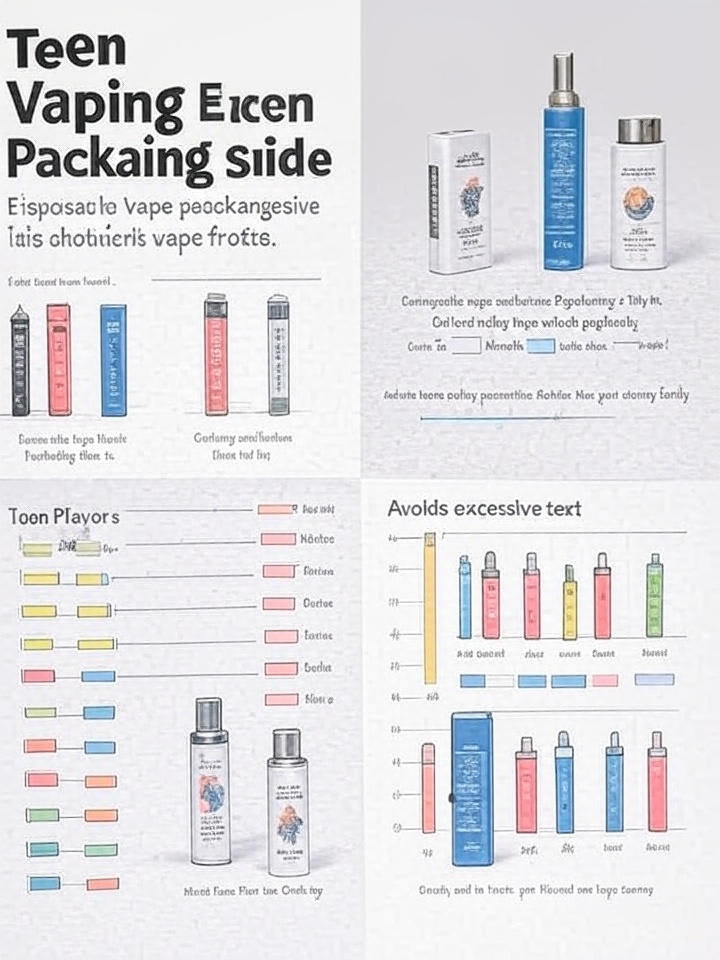
Experts emphasize that both flavors and packaging design are crucial factors in teen vaping. Studies consistently show that packaging—both the disposable vape packaging and its compact, lighter packaging plays a key role in attracting younger users. Teens are more likely to try products that are visually appealing, easy to conceal, and socially “cool.”
Some key insights from research:
- Teens overwhelmingly prefer fruity, sweet, or candy-inspired flavors.
- Packaging that is colorful, sleek, or reminiscent of tech gadgets increases curiosity.
- Flavor bans in combination with education campaigns show the greatest impact on reducing teen usage.
Public health organizations often advocate for a multi-pronged approach: restricting flavors, educating youth, and monitoring the design of vape products to make them less enticing to minors.
Potential Alternatives to Banning
Banning flavors is one solution, but other strategies can complement or even replace it:
- Age restrictions: Stricter enforcement can prevent teens from accessing vapes.
- Education campaigns: Teaching teens about the risks of nicotine and vaping is critical.
- Marketing regulations: Limiting social media advertising and promotional campaigns targeting youth.
- Safer product design: Encouraging packaging that is less visually appealing to teens but still functional for adult users.
These alternatives focus on reducing youth appeal without removing a tool that some adults use to quit smoking.
Conclusion
Banning flavors in e-cigarettes can play a significant role in reducing teen vaping, but it is not a complete solution. While flavors and disposable vape packaging entice younger users, adults benefit from flavors and lighter packaging as a cessation tool.
A balanced approach is essential: combining flavor restrictions, responsible packaging design, age verification, and education campaigns can help address the vaping problem more effectively.
Ultimately, public health strategies must protect teens without removing tools that help adults quit smoking, striking a careful balance between regulation and individual choice.
About the Creator
Cristina Baker
I’m Cristina Baker, a business and market expert with 8+ years of experience helping brands and entrepreneurs grow. I share insights, strategies, and ideas that inspire growth, spark curiosity, and turn challenges into actionable results.
Keep reading
More stories from Cristina Baker and writers in Longevity and other communities.
Healthy Living in 2025: Small Changes That Make a Big Difference
Healthy living is no longer about chasing perfection—it’s about making small, realistic changes that last. In 2025, more people are realizing that wellness doesn’t have to mean radical diets, extreme workouts, or spending hours in the gym. Instead, it’s about building healthy habits step by step.
By Cristina Baker6 months ago in Longevity
Himalayan Salt Therapy Benefits for Women’s Health: A Modern Wellness Perspective
The health and wellness of women today is scrutinized not from a one-sided perspective. It is of a multidimensional character - it is concerned with the balance of hormones, the regulation of the nervous system, the quality of sleep, skin health, the strength of the respiratory system, and emotional state. As more people become interested in being inclusive towards integrative approaches of wellness, the approach of Himalayan salt therapy has not received credit as a miracle treatment but as a type of environment-based treatment, which fits in the objectives of holistic health results.
By David Smith4 days ago in Longevity
Tatt~Master
— Assembly Line Tatt Machine ~ Impressions to Impress — As I begin to understand more about the Tattoo Phenomenon. I've written silly, yet verbatim, dating site anecdotes in 'Frazzled.' So let me ask you: Would you be More attracted to someone slathered with tattoos, or Less?
By Jay Kantora day ago in Humor




Comments
There are no comments for this story
Be the first to respond and start the conversation.