
Why We Trust ‘Dr. Google’ More Than Our Real Physicians—And Why It Is Not Our Fault
As trust in traditional medicine hits a breaking point, patients are trading copays for clicks—but at what cost?

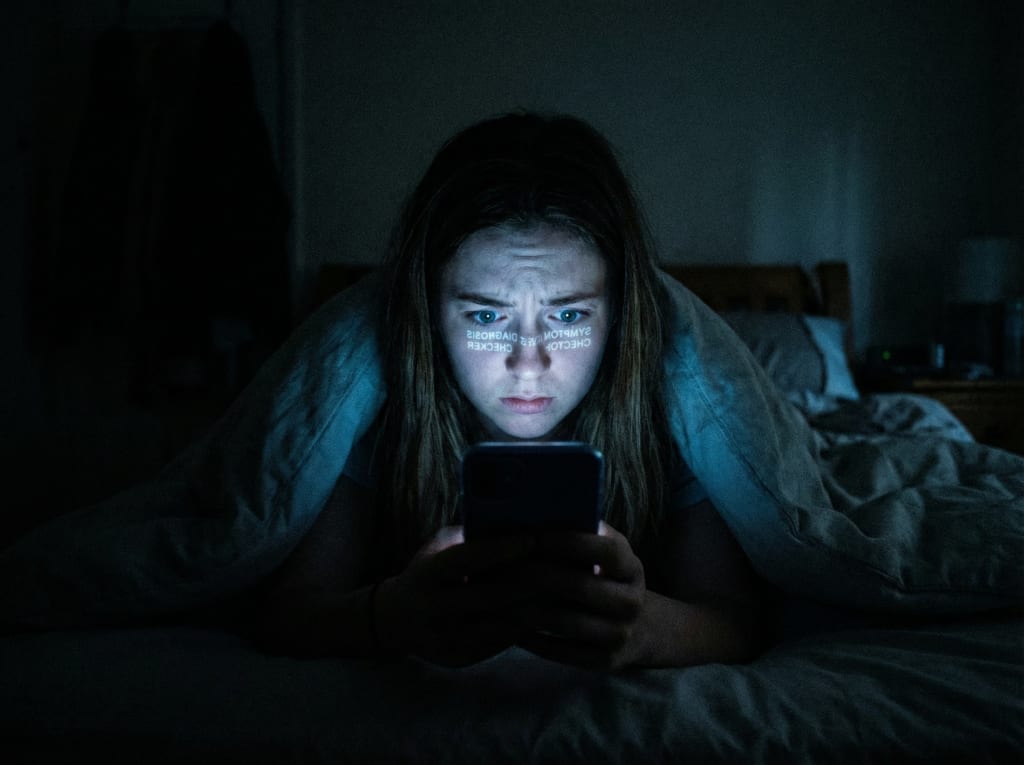
It is 2 a.m. A sharp pain shoots through your left side. You do not reach for the phone to call an on-call nurse. You do not plan to visit urgent care. Instead, you bathe in the blue light of your smartphone and type six words into a search bar.
Within 45 seconds, you have read three forum posts, a wiki entry, and a scary article from a medical journal. You are now convinced you have a rare tropical parasite.
We joke about "cyberchondria" and the anxiety of self-diagnosis. But this late-night ritual highlights a darker reality about modern healthcare. It is not just that we are curious. It is that we feel abandoned.
The Trust Deficit
We face a crisis of faith. Chad Barnsdale at Healthful SEO, a marketing agency focused on health products, tracks this shift closely. Barnsdale identifies a clear correlation: patients flock to "Dr. Google" because trust in established doctors deteriorates daily.
When patients feel unheard, the search bar becomes the only medical professional willing to listen for more than seven minutes.
Consider the logistics of a standard physical in 2025:
- You wait three months for an appointment.
- You pay a $50 copay.
- You receive 12 minutes of face time.
- The doctor stares at a laptop, not you.
Compare that to the internet. The internet is free. It is instant. It does not interrupt you.
Why We Swipe Instead of Schedule
The appeal of digital diagnosis goes beyond convenience. It is about validation.
In a traditional clinical setting, women and minority groups frequently report having their pain dismissed or downplayed. When a human doctor says, "It is just stress," a search engine offers 400 pages of potential biological causes.
We view the algorithm as neutral, whereas the human doctor carries bias, fatigue, and the pressure of a bursting schedule.
The Reality Check:
The Good: Information democratization means patients advocate for themselves better than ever before.
The Bad: Misinformation spreads faster than flu strains.
The Ugly: People delay necessary life-saving care because a blog post told them to drink celery juice instead.
The System Created This Monster
"Patients are not stupid; they are desperate," Barnsdale says about the trend. "When the medical system puts up walls—financial, logistical, or emotional—people will build their own doors. Right now, that door is a search engine."
We cannot judge someone for Googling their symptoms when the alternative involves navigating a labyrinthine insurance phone tree on a Tuesday afternoon.
However, we must recognize the danger. An algorithm does not care if you live or die. It cares about engagement. It serves you the most clicking, shocking result, not necessarily the most accurate one.
How to Use the Internet Without Losing Your Mind
If you must play doctor, use these rules to stay sane:
- Check sources: Look for government websites (.gov) or major university hospitals over blogs selling supplements.
- Set a timer: Allow yourself 10 minutes of research. Then stop.
- Verify: Take your findings to a professional. Use the search to ask better questions, not to replace the diagnosis.
The Bottom Line
We will not stop searching symptoms online until the healthcare system offers a better user experience than a search engine. Until doctors can offer the radical empathy and accessibility of a Wi-Fi connection, Dr. Google will keep office hours 24/7.
About the Creator
Oliver Deleon
Oliver Deleon is the founder of GeekExtreme.com, established in 2000. Dedicated to straightforward, fluff-free, unbiased reporting and reviews on hardware, software, and peripherals for tech enthusiasts.
Keep reading
More stories from Oliver Deleon and writers in Longevity and other communities.
The Best Men's Blogs Are Having a Renaissance—And Nobody's Talking About It
Remember when everyone declared blogging dead? Tell that to the three million men who visit The Art of Manliness every month. While your Instagram feed drowns in identical gym selfies and crypto schemes, a quiet revolution is happening in the corners of the internet where real advice still lives.
By Oliver Deleon6 months ago in Men
The Hardware of Exhaustion
Right now, human well-being sits in contradiction. Though today’s medicine reaches further than ever before, ongoing tiredness, stress, and deep exhaustion mark more lives than before. Individuals log rest hours, fine-tune food intake, wear gadgets that follow heartbeat rhythms - still, simply existing inside a present-day physical form feels overwhelmingly draining to vast numbers across the globe. Most doctors see tiredness as either a brain chemistry issue or a mental weakness. People get advised to handle pressure better, use vitamins, or try focused breathing. Yet could today’s weariness stem not from molecules inside us? Perhaps the cause hides within how information flows around us instead.
By Dr Marc Nock8 days ago in Longevity
Herbal Tea: Natural Drink for Relaxation and Better Health
Introduction: Herbal tea is a natural beverage made from dried herbs, flowers, fruits, or spices. Unlike traditional teas such as black or green tea, herbal tea usually does not come from the Camellia sinensis plant.
By Health Tipsabout 21 hours ago in Longevity


Comments
There are no comments for this story
Be the first to respond and start the conversation.