
Why Use Vitamin A in Skincare Products
The Science Behind How This Works
Vitamin A in skincare products stands as one of the most scientifically validated ingredients in dermatology, with research spanning over four decades proving its remarkable ability to transform skin at the cellular level. This powerhouse compound works through sophisticated biological mechanisms that directly influence how skin cells function, regenerate, and repair themselves. Understanding the science behind vitamin A reveals why dermatologists consistently recommend it for addressing multiple skin concerns simultaneously.
The effectiveness of vitamin A stems from its unique ability to penetrate skin barriers and convert into retinoic acid, the biologically active form that cells recognize and respond to. This conversion triggers a cascade of cellular processes that accelerate skin renewal, boost collagen production, and normalize cell turnover rates. Skincare formulations containing vitamin A derivatives like retinol, retinyl palmitate, and prescription tretinoin each work through similar pathways but at different intensities. Companies specializing in advanced skincare, including Beauté Pacifique, have developed sophisticated delivery systems that maximize vitamin A's benefits while minimizing potential irritation, making this potent ingredient accessible for various skin types and concerns.
Also read - How to build an effectice daily skincare routine
How vitamin A transforms skin at the cellular level
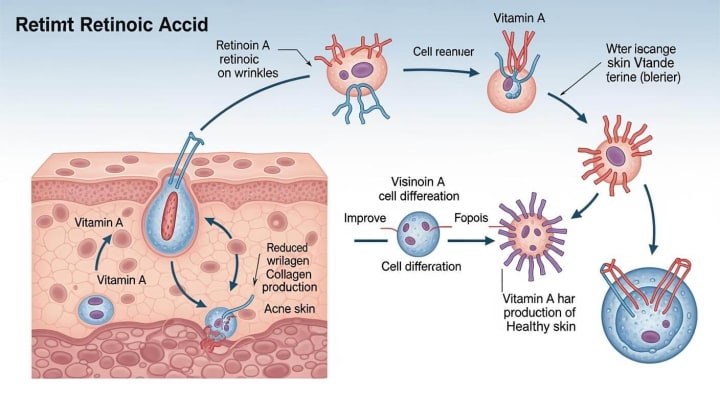
Vitamin A in skincare products works by fundamentally altering how skin cells behave, creating changes that extend far beyond surface-level improvements. When topically applied, vitamin A derivatives must first penetrate the stratum corneum, the skin's protective outer barrier, before beginning their transformation process. Once absorbed, these compounds undergo enzymatic conversion into tretinoin, also known as all-trans retinoic acid, which serves as the biologically active form that cells can actually utilize.
The cellular transformation begins when tretinoin binds to specific nuclear receptors called retinoic acid receptors (RARs) and retinoid X receptors (RXRs). These receptors act as molecular switches, directly influencing gene expression patterns within skin cells. This binding process triggers the production of specific proteins that regulate cell division, differentiation, and death, essentially reprogramming cells to function more efficiently. The result is accelerated cell turnover, where old, damaged cells are shed more rapidly and replaced with fresh, healthy ones.
Vitamin A also stimulates fibroblast activity in the dermis, the skin's deeper layer where collagen and elastin fibers provide structure and elasticity. Fibroblasts respond to vitamin A by increasing their production of these essential proteins while simultaneously reducing the activity of enzymes that break down existing collagen. This dual action helps maintain skin firmness and reduces the appearance of fine lines. Additionally, vitamin A normalizes sebum production by regulating the size and activity of sebaceous glands, making it particularly effective for managing oily skin conditions. The compound also exhibits anti-inflammatory properties, helping to calm irritated skin and reduce redness associated with various skin concerns.
Different forms of vitamin A and their potency levels
Skincare products contain various forms of vitamin A, each with distinct molecular structures that determine their potency and how quickly they work. Retinol represents the most common over-the-counter form, requiring two conversion steps to become active retinoic acid within skin cells. This multi-step process makes retinol gentler than prescription alternatives while still delivering significant benefits over time.
Retinyl palmitate and retinyl acetate are ester forms of vitamin A that require even more conversion steps, making them the mildest options available. These forms work well for sensitive skin types or beginners starting their vitamin A journey. Retinaldehyde, also known as retinal, sits between retinol and prescription tretinoin in terms of potency, requiring only one conversion step to become active.
Prescription-strength tretinoin, adapalene, and tazarotene represent the most potent forms of vitamin A available in skincare. These synthetic retinoids are already in their active form or very close to it, allowing them to work immediately upon application. Tretinoin binds directly to retinoic acid receptors without requiring cellular conversion, making it significantly more powerful than over-the-counter alternatives.
Adapalene, originally developed for acne treatment, shows excellent tolerability while maintaining strong efficacy. Tazarotene, the most potent topical retinoid, is typically reserved for severe skin conditions due to its intensity. The concentration of vitamin A in skincare products also plays a crucial role in determining effectiveness. Over-the-counter retinol products typically range from 0.25% to 1%, while prescription formulations can contain much higher concentrations. Companies like Beauté Pacifique have developed specialized delivery systems that enhance the penetration and stability of vitamin A derivatives, allowing lower concentrations to achieve results comparable to higher-strength formulations.
Clinical evidence supporting vitamin A effectiveness
Decades of scientific research have established vitamin A in skincare products as one of the most thoroughly studied and validated ingredients in dermatology. Clinical trials consistently demonstrate its ability to improve multiple skin concerns simultaneously, with measurable results appearing within weeks of consistent use. A landmark study published in the Journal of the American Academy of Dermatology showed that participants using 0.4% retinol experienced a 64% reduction in fine lines and a 40% improvement in skin texture after 12 weeks of treatment.
Research specifically examining vitamin A's anti-aging properties reveals impressive cellular changes that translate into visible improvements. Studies using high-resolution imaging and skin biopsies show increased epidermal thickness, improved collagen density, and enhanced skin barrier function following vitamin A treatment. One particularly compelling study measured a 68% increase in collagen production after six months of tretinoin use, with improvements continuing even after treatment cessation. The acne-fighting properties of vitamin A have been extensively documented across numerous clinical trials. Research shows that topical retinoids reduce both inflammatory and non-inflammatory acne lesions by normalizing follicular keratinization and reducing sebum production.
Studies comparing different vitamin A derivatives found that even milder forms like retinyl palmitate produced significant improvements in acne severity scores. Pigmentation studies demonstrate vitamin A's ability to fade dark spots and improve overall skin tone uniformity. Clinical trials show that vitamin A accelerates the turnover of pigmented cells while inhibiting excess melanin production, leading to visible lightening of hyperpigmentation within 8-12 weeks. Skincare companies including Beauté Pacifique have conducted their own clinical studies, confirming that properly formulated vitamin A products can achieve results comparable to prescription-strength alternatives while maintaining better tolerability profiles.
Best practices for incorporating vitamin A into skincare routines
Successfully incorporating vitamin A in skincare products requires understanding proper application techniques and timing to maximize benefits while minimizing potential irritation. The key to vitamin A success lies in gradual introduction and consistent use, allowing skin cells to adapt to increased turnover rates without overwhelming the skin barrier. Starting with lower concentrations helps build tolerance progressively.
Begin with retinyl palmitate or low-concentration retinol products, using them only twice weekly for the first month. Gradually increase frequency as skin adapts, eventually working up to nightly application for most people. This approach allows the cellular adaptation process to occur smoothly without triggering excessive dryness or peeling.
Timing and product layering significantly impact vitamin A effectiveness:
• Apply vitamin A products to clean, dry skin in the evening only
• Wait 20-30 minutes after cleansing before application to ensure optimal pH levels
• Use a pea-sized amount for the entire face to prevent over-application
• Follow with a moisturizer to support skin barrier function
• Always use broad-spectrum sunscreen during the day, as vitamin A increases photosensitivity
Storage and product selection also influence results. Vitamin A derivatives are notoriously unstable when exposed to light and air, making proper packaging essential. Look for products in opaque, air-tight containers that protect against degradation. Companies like Beauté Pacifique often use specialized packaging and stabilizing ingredients to maintain vitamin A potency throughout the product's shelf life. Certain ingredients work synergistically with vitamin A while others should be avoided. Niacinamide, hyaluronic acid, and ceramides complement vitamin A by supporting skin barrier function and hydration. However, avoid combining vitamin A with alpha hydroxy acids, beta hydroxy acids, or benzoyl peroxide in the same routine, as these combinations can increase irritation risk significantly.
The scientific evidence overwhelmingly supports vitamin A in skincare products as a transformative ingredient that works through well-understood biological mechanisms. Its ability to communicate directly with skin cells, triggering enhanced collagen production, accelerated cell turnover, and improved skin barrier function, makes it uniquely effective for addressing multiple concerns simultaneously. The various forms of vitamin A available allow individuals to choose appropriate potency levels based on their skin tolerance and specific needs.
Clinical research spanning decades demonstrates measurable improvements in fine lines, acne, hyperpigmentation, and overall skin texture with consistent vitamin A use. The key to success lies in proper application techniques, gradual introduction, and understanding how different vitamin A derivatives work within the skin. Companies specializing in advanced skincare formulations, including Beauté Pacifique, have developed sophisticated delivery systems that maximize these benefits while minimizing potential irritation.
Whether starting with gentle retinyl palmitate or progressing to prescription-strength tretinoin, vitamin A represents one of the most scientifically validated approaches to improving skin health. Its proven ability to influence cellular behavior at the genetic level, combined with extensive clinical validation, positions vitamin A as an essential component of effective skincare routines. The science clearly demonstrates why dermatologists consistently recommend vitamin A derivatives for achieving long-term skin improvements that go far beyond surface-level cosmetic changes.
About the Creator
Keep reading
More stories from Sommersang and writers in Longevity and other communities.
How to build an effective daily skincare routine
Achieving beautiful, healthy skin starts with understanding the basics of proper skincare. Your daily routine doesn't need to be complicated or expensive to deliver remarkable results. The secret lies in choosing the right products for your specific skin type and applying them consistently with proper techniques.
By Sommersang7 months ago in 01
Day 4 of Quitting
If this is how sobriety feels, maybe it’s better to go through life a little buzzed… this, along with other hits like, I want to kill myself, I wish I was dead, and I’m going to throw myself off a bridge have been the only thoughts on rotation these past few days. I promise myself that if, in a month, I still feel like this (‘this’ meaning despondent, full of rage, and simultaneously numb) I can go back to smoking. Until mid-February though? Nicotine is off the table.
By sleepy drafts9 days ago in Longevity
North America Pretzel Market Size and Forecast 2025–2033
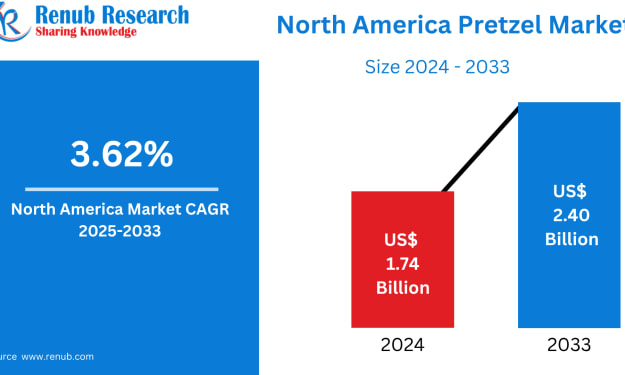
The North America Pretzel Market is expected to reach US$ 2.40 billion by 2033, up from US$ 1.74 billion in 2024, expanding at a CAGR of 3.62% from 2025 to 2033, according to Renub Research. This steady growth reflects the enduring appeal of pretzels as a convenient snack, combined with evolving consumer preferences for healthier, premium, and flavor-forward food products.
By Marthan Sir3 days ago in Longevity



Comments