
Why Proteins Are the Ultimate Nutrient for Strength Training
Why Proteins Are Called Bodybuilding Food
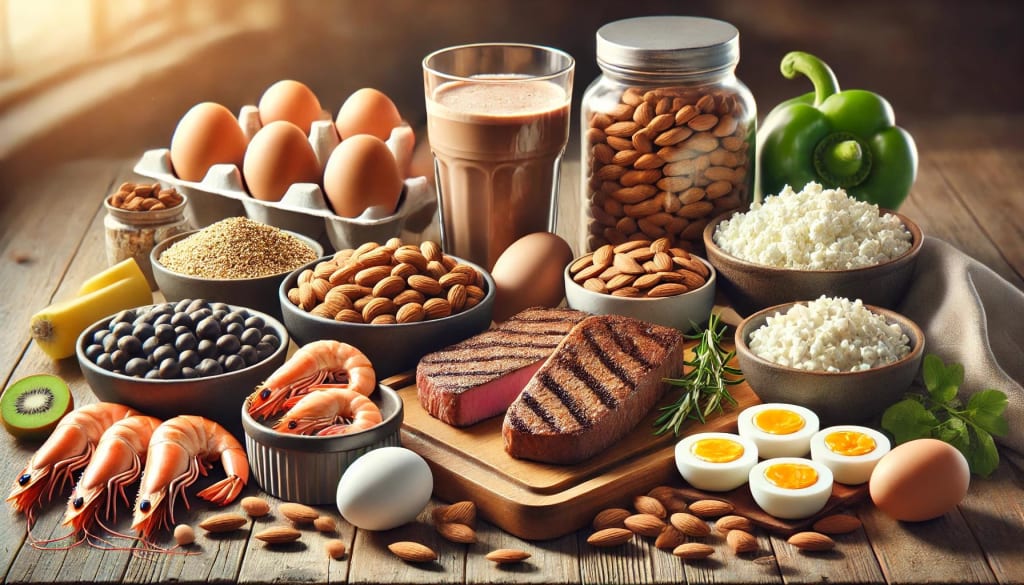
Strength training is all about building muscle, increasing endurance, and enhancing physical performance. While exercise provides the stimulus for growth, proper nutrition—especially protein intake—is essential for muscle repair, recovery, and strength gains.
Protein is often regarded as the ultimate nutrient for strength training because it plays a direct role in muscle synthesis, recovery, and overall performance. Without adequate protein, strength training efforts can be ineffective, leading to muscle breakdown, fatigue, and slower progress.
In this article, we’ll explore Why Proteins Are Called Bodybuilding Food, and the best ways to incorporate it into your diet for optimal performance.
The Role of Protein in Strength Training
1. Protein Fuels Muscle Growth and Repair
When you lift weights or engage in resistance exercises, you create micro-tears in your muscle fibers. Your body needs protein to repair these damaged fibers, making them stronger and larger over time. This process, known as muscle protein synthesis (MPS), is the foundation of muscle growth and strength development.
Consuming enough protein ensures that muscle repair happens efficiently, allowing for faster recovery and better strength gains. Without it, the body cannot build new muscle tissue, making it harder to see progress in strength training.
2. Prevents Muscle Breakdown (Catabolism)
During intense workouts, the body experiences muscle breakdown, where protein stores are used for energy. If you don’t consume enough protein, your body starts breaking down muscle tissue to meet its amino acid needs, leading to muscle loss instead of growth.
Adequate protein intake prevents muscle catabolism, ensuring that your body remains in an anabolic (muscle-building) state instead of a catabolic (muscle-losing) state.
3. Enhances Workout Recovery and Reduces Soreness
Strength training can leave you feeling sore and fatigued, especially after an intense session. Protein helps speed up recovery by:
Reducing muscle soreness (Delayed Onset Muscle Soreness or DOMS)
Repairing damaged muscle fibers quickly
Providing essential nutrients for muscle regeneration
Consuming protein-rich meals immediately after training can accelerate muscle repair and reduce recovery time, allowing you to train harder and more frequently.
4. Increases Strength and Power
For strength training, it’s not just about muscle size, but also muscle strength and power. Protein helps improve muscle function, making muscles more efficient at generating force. This results in:
Better performance in weightlifting and resistance training
Stronger lifts and higher resistance levels
Greater overall endurance and stamina
Regular protein intake supports progressive overload, allowing you to continuously lift heavier weights and build strength over time.
5. Supports Fat Loss While Preserving Muscle Mass
Many strength trainers also aim to reduce body fat while building muscle. Protein plays a crucial role in fat loss by:
Boosting metabolism (high thermic effect of food)
Increasing satiety and reducing cravings
Preventing muscle loss while cutting calories
When you’re on a caloric deficit, your body may burn muscle along with fat. A high-protein diet ensures that your body retains lean muscle mass, leading to a more toned and muscular physique.
6. Strengthens Bones and Joints
Strength training isn’t just about muscles—strong bones and joints are equally important. Protein plays a key role in:
Improving bone density and reducing the risk of fractures
Enhancing joint health by supporting collagen production
Preventing injuries and ensuring long-term strength
A protein-rich diet, combined with weight-bearing exercises, strengthens the entire musculoskeletal system, ensuring you can train safely and effectively.
7. Provides Long-Lasting Energy for Strength Workouts
Unlike carbohydrates, which provide quick bursts of energy, protein offers long-lasting fuel for strength training. It helps:
Sustain energy levels during intense lifting sessions
Improve workout endurance and stamina
Prevent muscle fatigue and performance drops
A well-balanced diet with protein, healthy fats, and complex carbs ensures that your body has the fuel needed for sustained strength training performance.
Best Sources of Protein for Strength Training
Animal-Based Protein Sources
Animal proteins are complete proteins, meaning they contain all essential amino acids for muscle growth and strength.
Eggs – High in protein and essential amino acids
Chicken and Turkey – Lean proteins for muscle building
Beef and Steak – High in protein and iron for strength
Fish (Salmon, Tuna, Cod) – Protein-rich and contains omega-3s for recovery
Dairy Products (Milk, Greek Yogurt, Cheese, Cottage Cheese) – Great for muscle recovery and bone health
Plant-Based Protein Sources
For vegetarians and vegans, plant-based proteins can still provide muscle-building benefits.
Lentils and Beans – High in protein and fiber
Tofu and Tempeh – Excellent plant-based protein alternatives
Quinoa – A complete plant protein
Nuts and Seeds (Almonds, Chia, Hemp Seeds) – Protein-rich and packed with healthy fats
Whole Grains (Brown Rice, Oats, Whole Wheat) – Help supplement protein intake
How Much Protein Do You Need for Strength Training?
Daily Protein Requirements Based on Activity Level
Your protein needs depend on your activity level and training intensity:
Sedentary individuals: 0.8 grams per kg of body weight
Active individuals: 1.2 - 1.6 grams per kg
Strength trainers and bodybuilders: 1.6 - 2.2 grams per kg
For example, a 75 kg (165 lbs) strength trainer should consume 120-165 grams of protein daily to maximize muscle growth and recovery.
Best Times to Consume Protein for Strength Gains
Morning: Kickstart muscle growth with a protein-rich breakfast
Pre-Workout: Provides fuel and amino acids for training
Post-Workout: Enhances muscle recovery and reduces soreness
Before Bed: A slow-digesting protein (like casein) supports muscle repair overnight
Are Protein Supplements Necessary for Strength Training?
While whole foods should be the primary source of protein, supplements can be helpful for meeting daily protein goals.
Best Protein Supplements for Strength Training
Whey Protein – Fast-absorbing, ideal for post-workout recovery
Casein Protein – Slow-digesting, great for overnight muscle repair
Plant-Based Protein (Pea, Soy, Hemp, Rice Protein) – Excellent for vegans
BCAA (Branched-Chain Amino Acids) – Supports muscle recovery and endurance
Protein supplements are convenient, but they should complement—not replace—a well-balanced diet.
Signs of Protein Deficiency in Strength Training
If you don’t consume enough protein, you may experience:
Slower muscle growth and strength gains
Increased muscle soreness and fatigue
Longer recovery times between workouts
Loss of muscle mass and strength
Weakened immune system and frequent illness
Ensuring adequate protein intake is essential for consistent progress in strength training.
Conclusion
Protein is the ultimate nutrient for strength training, playing a vital role in muscle growth, recovery, endurance, and overall performance. To maximize your strength training results, prioritize:
A high-protein diet with quality sources
Meeting daily protein intake needs
Timing protein consumption effectively
By making protein a key part of your nutrition plan, you’ll build a stronger, healthier, and more powerful body for long-term success in strength training. 💪🔥
https://prorganiq.com/blogs/new/why-proteins-are-called-bodybuilding-food
About the Creator
Keep reading
More stories from Why Proteins Are Called Bodybuilding Food and writers in Longevity and other communities.
Whey Protein & Gluten: Understanding the Facts
Understanding Whey Protein Whey protein is one of the most popular protein supplements used for muscle building, weight management, and overall nutrition. It is derived from cow’s milk during the cheese-making process and Is Whey Protein Gluten-Free is known for its high-quality protein content and rapid absorption.
By Why Proteins Are Called Bodybuilding Food11 months ago in Longevity
Day 4 of Quitting
If this is how sobriety feels, maybe it’s better to go through life a little buzzed… this, along with other hits like, I want to kill myself, I wish I was dead, and I’m going to throw myself off a bridge have been the only thoughts on rotation these past few days. I promise myself that if, in a month, I still feel like this (‘this’ meaning despondent, full of rage, and simultaneously numb) I can go back to smoking. Until mid-February though? Nicotine is off the table.
By sleepy drafts11 days ago in Longevity
More Than 300,000 River Obstacles Removed Worldwide Are Reconnecting Streams, Reviving Fish Migration And Restoring Freshwater Life
Freshwater ecosystems around the world are undergoing a quiet revolution. For decades, rivers and streams have been obstructed by dams, weirs, and other barriers, fragmenting habitats and preventing fish from completing essential migrations. Now, a global initiative to remove these obstacles is transforming waterways, reviving fish populations, and restoring the delicate balance of freshwater life. More than 300,000 river barriers have been removed worldwide, and the results are already evident.
By Fiaz Ahmed Brohi2 days ago in Longevity




Comments
There are no comments for this story
Be the first to respond and start the conversation.