
Why Is My Period Late When I Am Not Pregnant? - 5 Possibilities
When your period is late, one of the first things that comes to mind is that you might be pregnant. But if your pregnancy test is negative, you may question, "Why is my period late?"

When your period is late, one of the first things that comes to mind is that you might be pregnant. But if your pregnancy test is negative, you may question, "Why is my period late?"
Periods might be delayed or even missing entirely, prompting fear and anxiety. While pregnancy is the most common reason for a missed period, other causes can cause it to be late. So, breathe out –you don’t need to search for an abortion clinic; you need answers.
Here are five of the most common reasons why your period may be late if you are not pregnant.
1. Stress
Stress might be a significant factor. When the body experiences stress, it produces chemicals like cortisol and adrenaline. These can disrupt the balance of hormones that regulate the menstrual cycle.
High-stress levels can also cause changes in dietary habits and sleep patterns, further disrupting the menstrual cycle. Work, family, and relationship concerns are all potential sources of stress. Finding techniques to handle stress can help regulate the menstrual cycle.
Here are some helpful techniques to reduce stress:
- Exercising produces "feel good" endorphins
- Getting enough sleep
- Eating a healthy and nutritious diet
- Using your support system, whether it's family, friends, or a member of your church
- Speaking with a professional therapist or psychologist
- Meditating
2. Weight Changes
Weight changes, whether deliberate or unintentional, might affect your menstrual cycle. Rapid weight loss or increase can disturb the balance of hormones that regulate the menstrual cycle, resulting in delayed or skipped menstruation.
This is because the body needs a particular amount of body fat to create estrogen, which is required for the menstrual cycle to take place. Extreme dieting, overexercising, or having an eating disorder can all cause weight changes that disrupt the menstrual cycle.
When you're wondering why your period is late, consider any weight swings you've experienced and talk to your gyn doctor about it. This could be an important component in identifying a solution.
3. Polycystic Ovarian Syndrome (PCOS)
"Why is my period late?" One such explanation is polycystic ovary syndrome (PCOS).
Up to 10% of reproductive-age women suffer from this hormonal condition. It is caused by a hormonal imbalance, specifically an excess of androgens in the body.
This can cause ovarian cysts, abnormal menstrual cycles, and reproductive issues. Women with PCOS may have irregular or nonexistent periods, as well as other symptoms like acne, excessive hair growth, and weight gain.
4. Thyroid Issues
The thyroid gland, located in the neck, secretes hormones that control metabolism and other body activities. When the thyroid gland is not working properly, it can cause a variety of health issues, including irregular menstruation cycles.
Hypothyroidism, or an underactive thyroid gland, can make periods lighter, shorter, or less frequent. Hyperthyroidism, or an overactive thyroid gland, can make periods heavier and more frequent.
5. Perimenopause
Perimenopause is the period of time before menopause, which usually occurs between the ages of 45 and 55. During this time, the body's production of estrogen and progesterone begins to diminish, resulting in changes in the menstrual cycle.
Perimenopause can cause irregular or skipped periods. Perimenopause is a natural process, but it can be challenging for many women, and your gynecologist can assist you in managing their symptoms.
What Can I Do About Irregular Periods?
If you have irregular periods, please contact us. We'll be able to determine the root cause of the problem and develop a tailored treatment strategy.
How Are Irregular Periods Treated?
The treatment for irregular periods will differ depending on the cause. For example, if the irregular periods are caused by stress, try stress management measures like exercise, relaxation, or counseling.
If your irregular periods are caused by polycystic ovary syndrome (PCOS), your doctor may prescribe hormone-regulating medications to help you resume regular menstrual cycles.
In addition to medical treatment, a few lifestyle changes may help manage menstrual cycles. These include maintaining a healthy weight, engaging in regular exercise, and controlling stress.
You may also want to consider using a mobile app to track your menstrual cycles, especially if they are irregular. If you are experiencing irregular periods, schedule an appointment with your doctor. If left ignored, irregular periods can lead to additional health issues.
About the Creator
Amelia Grant
I am journalist, and blogger.
Keep reading
More stories from Amelia Grant and writers in Longevity and other communities.
5 Things You’ll Have to Do After Gastric Sleeve Surgery
Gastric sleeve surgery, or sleeve gastrectomy, is a popular weight loss procedure that involves removing a large portion of the stomach to create a smaller, sleeve-shaped stomach. This surgery helps patients achieve significant weight loss by limiting food intake and promoting satiety. However, the journey to successful weight loss doesn’t end with the surgery; it requires ongoing commitment and lifestyle changes. Here are five crucial things you’ll need to do after gastric sleeve surgery to ensure a successful recovery and long-term weight loss.
By Amelia Grantabout a year ago in Longevity
Day 4 of Quitting
If this is how sobriety feels, maybe it’s better to go through life a little buzzed… this, along with other hits like, I want to kill myself, I wish I was dead, and I’m going to throw myself off a bridge have been the only thoughts on rotation these past few days. I promise myself that if, in a month, I still feel like this (‘this’ meaning despondent, full of rage, and simultaneously numb) I can go back to smoking. Until mid-February though? Nicotine is off the table.
By sleepy drafts10 days ago in Longevity
United States Active Pharmaceutical Ingredients Market Size and Forecast 2025–2033
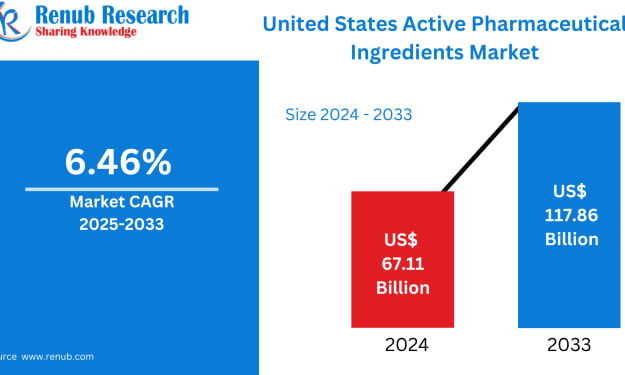
United States Active Pharmaceutical Ingredients Market The U.S. Active Pharmaceutical Ingredients (API) Market is anticipated to grow from US$ 67.11 billion in 2024 to US$ 117.86 billion in 2033, registering a CAGR of 6.46% during 2025–2033. This robust expansion is fueled by the rising demand for both branded and generic drugs, the increasing burden of chronic diseases, and rapid innovation in biopharmaceutical research. As the backbone of every therapeutic product, APIs are becoming increasingly strategic to healthcare security, drug affordability, and pharmaceutical competitiveness in the United States.
By jaiklin Fanandish2 days ago in Longevity
Miss Persephone's Manual to a Seemingly Ordinary Life
Miss Persephone was found at the dining table, her blue eyes swollen, her tears arriving and retreating like the tides of the ocean. Earlier that day, her family had visited her in the retirement home where she had lived for eight years. It was her eightieth birthday.
By Imola Tóth2 days ago in Fiction



Comments (2)
So so amazing .i love your content and subscribed. Kindly reciprocate by subscribing to me also . thank you and keep it up
Thanks for sharing