
Why Electronic Vents Are Key to Outdoor Device Protection
Protecting outdoor electronics from moisture, pressure changes, and contaminants is crucial. Learn how electronic vents enhance durability and performance.

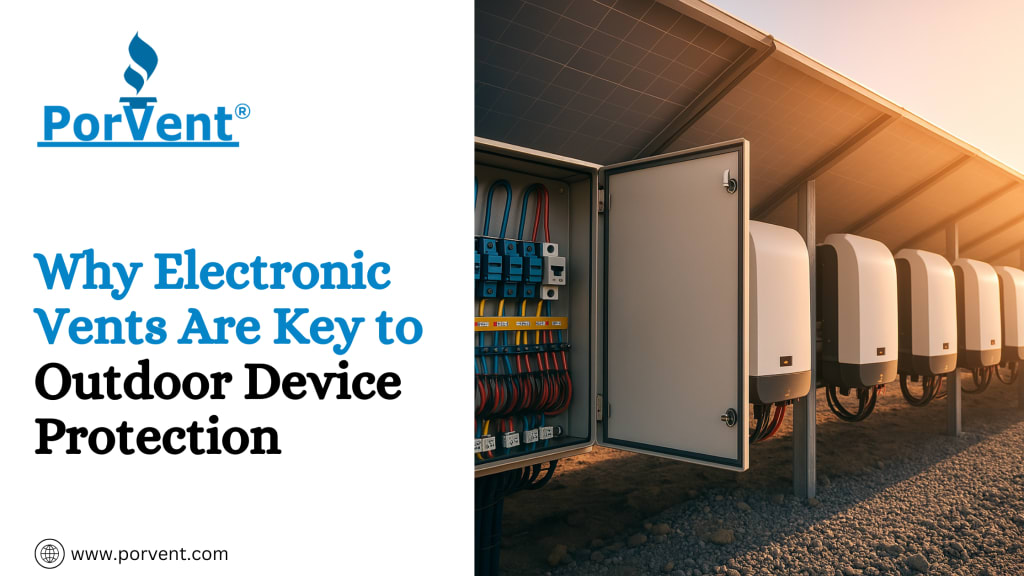
Outdoor electronic devices face extreme environmental challenges, from temperature fluctuations and humidity to dust and water exposure. Without proper protection, these elements can cause device failure, reducing performance and longevity. One of the most effective solutions is electronic vents, which regulate pressure, prevent moisture ingress, and enhance device durability.
In this blog, we’ll explore the importance of electronic vents, their functionality, benefits, and how to choose the right vent for your outdoor applications.
Understanding the Risks for Outdoor Electronics
Outdoor electronics operate in unpredictable conditions, making them vulnerable to several risks:
1. Moisture Ingress
Water and humidity can penetrate enclosures, causing corrosion, short circuits, and electrical failure. Devices such as security cameras, communication equipment, and outdoor sensors need protection against rain, condensation, and humidity buildup.
2. Pressure Fluctuations
Changes in temperature and altitude create pressure differences inside sealed enclosures. This can lead to vacuum formation, which strains seals and enclosures, allowing contaminants to enter.
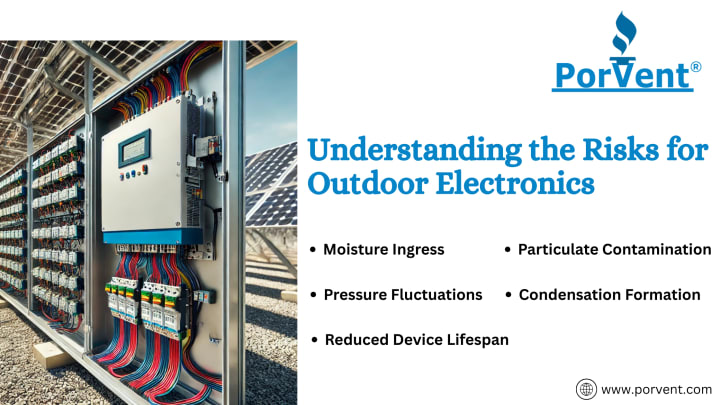
3. Particulate Contamination
Dust, dirt, and fine particles can accumulate in electronic enclosures, affecting cooling efficiency and potentially damaging circuit components.
4. Condensation Formation
When there is a temperature difference between the inside and outside of a sealed enclosure, condensation can form, leading to moisture-related damage over time.
5. Reduced Device Lifespan
Without proper venting solutions, these environmental threats can degrade components, causing premature failure and increased maintenance costs.
How Electronic Vents Work
Electronic vents provide a controlled airflow while preventing the entry of harmful elements. They typically feature a PTFE (Polytetrafluoroethylene) membrane, which allows air to pass through while blocking water, dust, and contaminants.
Key Functions of Electronic Vents
✔ Pressure Equalization – Vents balance internal and external pressure to prevent vacuum buildup and enclosure stress.
✔ Moisture Protection – The PTFE membrane repels water, preventing condensation and humidity buildup inside the enclosure.
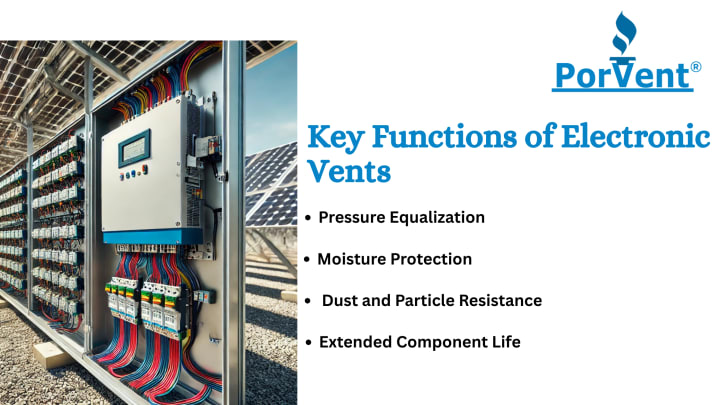
✔ Dust and Particle Resistance – Vents filter out fine dust and contaminants, ensuring clean airflow.
✔ Extended Component Life – By regulating airflow and reducing internal stress, vents help prolong the lifespan of outdoor electronics.
Applications of Electronic Vents in Outdoor Electronics
1. Security and Surveillance Cameras
Outdoor security cameras are exposed to rain, dust, and extreme temperatures. Electronic vents help prevent lens fogging, corrosion, and internal condensation, ensuring clear footage and uninterrupted performance.
2. Telecommunications and Networking Equipment
Cell towers, antennas, and outdoor routers operate in varied climates. Electronic vents protect internal components from temperature fluctuations and pressure changes, preventing premature failure.

3. Automotive Electronics
Vehicles with advanced driver assistance systems (ADAS), GPS modules, and electronic control units (ECUs) rely on electronic vents to maintain consistent performance in fluctuating environmental conditions.
4. LED Lighting and Displays
Outdoor LED lighting, billboards, and digital displays face exposure to UV radiation, rain, and humidity. Vents prevent moisture buildup and extend the lifespan of electronic components.
5. Solar Energy Systems and Power Supplies
Solar inverters, batteries, and control systems need protection from temperature swings and weather conditions. Electronic vents ensure effective ventilation, preventing overheating and condensation.
Benefits of Using Electronic Vents for Outdoor Devices
1. Enhanced Reliability and Performance
By preventing environmental threats, electronic vents improve device uptime and efficiency, reducing the risk of system failures.
2. Reduced Maintenance and Replacement Costs
Devices with proper venting require less frequent maintenance, leading to cost savings on repairs and replacements.
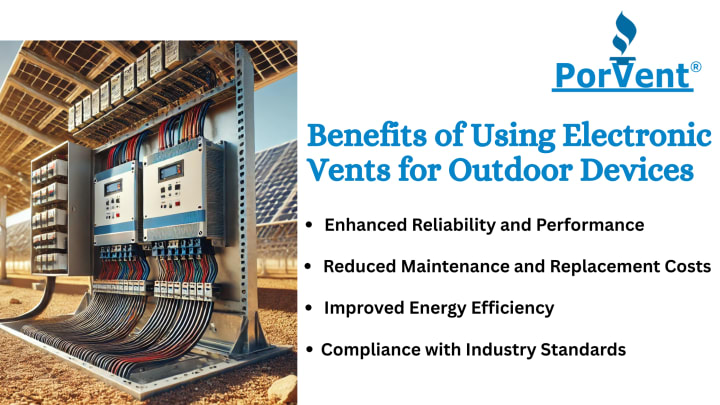
By regulating airflow and temperature, electronic vents reduce power consumption associated with cooling mechanisms in outdoor enclosures.
4. Compliance with Industry Standards
Many industries, including automotive, telecommunications, and industrial electronics, require IP-rated (Ingress Protection) and NEMA-certified enclosures. Electronic vents help meet these standards by ensuring adequate environmental protection.
Choosing the Right Electronic Vent for Your Application
Selecting the correct venting solution depends on several factors:
✔ Environmental Conditions – Consider exposure to water, dust, chemicals, and temperature variations.
✔ IP Rating Requirements – Ensure the vent meets IP67 or higher for outdoor applications.
✔ Airflow and Pressure Equalization Needs – Select a vent that balances airflow while maintaining an effective seal against contaminants.
✔ Material Compatibility – Choose a venting material that works with your device enclosure, such as PTFE membrane technology.
✔ Application-Specific Features – Some vents are designed for high-altitude environments, marine applications, or extreme temperatures.
Conclusion
Electronic vents are an essential protective solution for outdoor electronics, helping to prevent moisture damage, pressure buildup, and dust contamination. By regulating airflow and enhancing durability, these vents ensure long-term reliability and optimal performance across various industries.
If you’re looking for high-quality electronic venting solutions, check out PorVent® outdoor electronics vents to find the best option for your needs.
About the Creator
PorVent®
PorVent® (part of the Technology International Group) is an Indian technology and manufacturing company specializing in Materials Sciences For More information Visit website at:https://www.porvent.com/
Keep reading
More stories from writers in Longevity and other communities.
Day 4 of Quitting
If this is how sobriety feels, maybe it’s better to go through life a little buzzed… this, along with other hits like, I want to kill myself, I wish I was dead, and I’m going to throw myself off a bridge have been the only thoughts on rotation these past few days. I promise myself that if, in a month, I still feel like this (‘this’ meaning despondent, full of rage, and simultaneously numb) I can go back to smoking. Until mid-February though? Nicotine is off the table.
By sleepy drafts12 days ago in Longevity
The Muscle Paradox: Why Training Harder Is Making You Weaker
I watch it happen every week. Someone walks into the gym with fire in their eyes, ready to transform. Six months later, they're frustrated, confused, and barely any different than when they started. Same weights. Same physique. Same excuses.
By Destiny S. Harris7 days ago in Longevity




Comments
There are no comments for this story
Be the first to respond and start the conversation.