
Why Do Rastafarians Call God Jah?
Exploring the Spiritual and Cultural Significance of the Name "Jah" in Rastafarianism

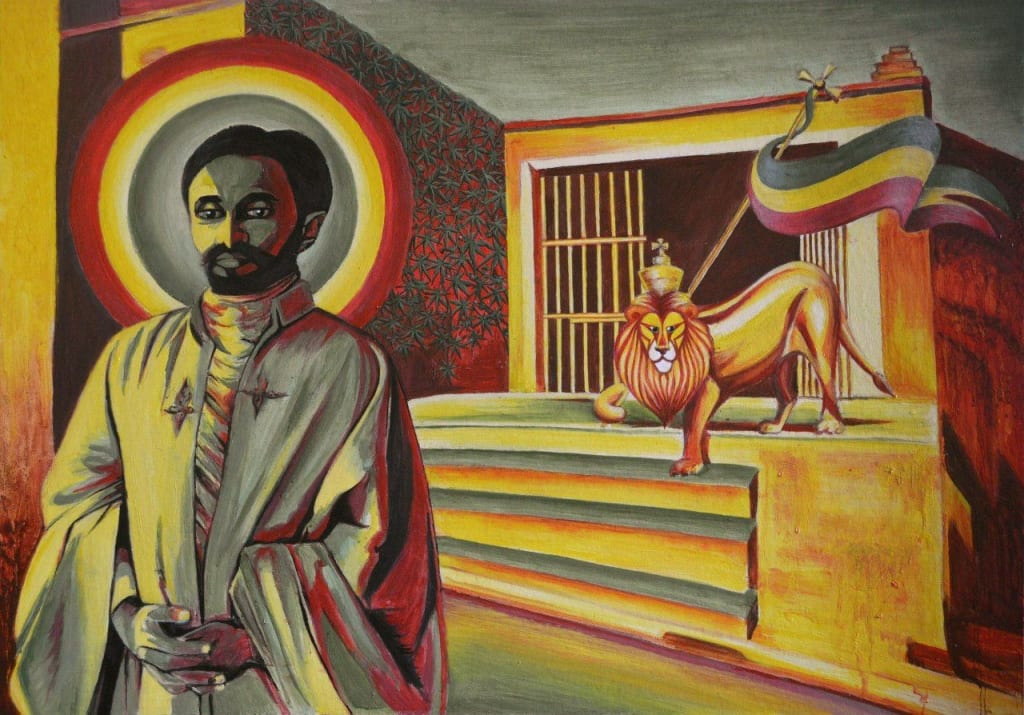
Rastafarianism is a religious movement that emerged in Jamaica in the 1930s, characterized by its emphasis on African heritage, social justice, and spiritual consciousness. Central to Rastafarianism is the belief in a single God, often referred to as "Jah."
The Rastafari consider language and names to be significant aspects of their faith. They view language as a tool for self-expression and communication, and they often use it to express their identity and beliefs. Names are also important in Rastafarianism, as they are believed to reflect one's true essence and can serve as a means of spiritual connection.
One of the most distinctive aspects of Rastafarianism is the use of the name "Jah" to refer to God. This name has deep spiritual and cultural significance for the Rastafari, and its use reflects their African heritage and connection to the divine. In this blog post, we will explore the history and meaning of "Jah" in Rastafarianism, its spiritual and cultural significance, and the controversies and misconceptions surrounding this belief.
Historical Context
The origin of Rastafarianism can be traced back to Jamaica in the early 20th century. At the time, Jamaica was still under British colonial rule, and many Black Jamaicans were experiencing social and economic oppression. The Rastafari movement emerged as a response to these conditions, offering a way for Black Jamaicans to reclaim their African heritage and resist colonialism.
The Rastafari movement was heavily influenced by African languages and cultures. Many Rastafarians believe that their African ancestry is a crucial part of their identity, and they use African languages and cultural practices as a way of expressing this identity. For example, many Rastafarians use the Ethiopian Amharic language in their worship, as it is believed to be the language of the ancient Ethiopian empire, which is seen as a symbol of African greatness.
The use of the name "Jah" to refer to God is also rooted in African languages and cultures. The name "Jah" is derived from the Hebrew word for God, "Yahweh," which is similar to the Swahili word for God, "Jah." Many Rastafarians believe that "Jah" is a more authentic and culturally appropriate name for God than the Western name "Jehovah," which is often used in Christian traditions.
Spiritual Significance
The name "Jah" holds significant spiritual and religious meaning for Rastafarians. In Rastafarianism, "Jah" is believed to be the one true God, the creator of the universe, and the source of all life. The name "Jah" is seen as a way of connecting with the divine and acknowledging the power and greatness of God.
The use of the name "Jah" is also closely tied to Rastafarian beliefs about the nature of God. Rastafarians believe that God is not an abstract concept, but rather a living and present force in the world. This belief is reflected in the use of the name "Jah," which is seen as a way of acknowledging and communing with God's presence.
In Rastafarian prayer and meditation, the name "Jah" is often used as a way of invoking God's presence and power. Rastafarians believe that prayer and meditation are important practices for connecting with God and seeking spiritual guidance. The use of the name "Jah" is seen as a way of focusing one's mind and heart on the divine, and of inviting God's grace and blessings into one's life.
Cultural Significance
The name "Jah" has significant cultural meaning for Rastafarians, and its influence can be seen in many aspects of Jamaican culture and beyond. In particular, "Jah" has played a central role in Rastafarian music, which has had a profound impact on Jamaican music and the global music scene.
Many Rastafarian musicians incorporate the name "Jah" into their lyrics and song titles as a way of expressing their faith and spirituality. For example, Bob Marley, one of the most famous Rastafarian musicians, frequently used the name "Jah" in his songs. In "Redemption Song," for instance, Marley sings, "Emancipate yourselves from mental slavery, none but ourselves can free our minds. Have no fear for atomic energy, 'cause none of them can stop the time. How long shall they kill our prophets, while we stand aside and look? Ooh, some say it's just a part of it: we've got to fulfill the book. Won't you help to sing, these songs of freedom? 'Cause all I ever have: redemption songs; redemption songs."
Other popular songs that reference "Jah" include "Jah Love" by Third World, "Jah Jah City" by Capleton, and "Jah Rastafari" by Culture. These songs reflect the cultural significance of "Jah" in Rastafarianism and its influence on Jamaican music.
Rastafarianism has also had a broader cultural influence beyond music, shaping Jamaican culture and influencing movements for social justice around the world. The Rastafari movement has been instrumental in promoting Black pride and empowerment, and its emphasis on spiritual consciousness and social justice has inspired many people to take action for positive change.
Misconceptions and Controversies
Despite its deep cultural and spiritual significance, Rastafarianism and its beliefs have often been misunderstood and misrepresented in popular culture. This has led to many misconceptions and controversies surrounding the movement and its use of the name "Jah."
One common misunderstanding is that Rastafarianism is a violent or extremist movement. In reality, the movement is based on principles of peace, love, and unity, and its beliefs emphasize the importance of social justice and equality. Rastafarians reject violence and seek to create a more just and harmonious society.
Another misconception is that the use of the name "Jah" is a form of idolatry or paganism. In fact, Rastafarians see the name "Jah" as a way of connecting with the one true God and acknowledging God's presence and power in the world.
Controversies surrounding Rastafarianism and its beliefs have also emerged over the years, particularly in relation to drug use and the movement's association with marijuana. While Rastafarians believe that marijuana can be used as a sacrament for spiritual purposes, they reject the use of drugs for recreational or harmful purposes.
Rastafarians have also faced discrimination and persecution for their beliefs, including being targeted by law enforcement and denied access to certain jobs and opportunities. Despite these challenges, the movement has continued to grow and thrive, inspiring many people around the world to seek spiritual and social transformation.
In response to criticism and misinformation, Rastafarians have sought to educate others about their beliefs and practices. They have also worked to dispel myths and misunderstandings about the movement, emphasizing its commitment to peace, love, and social justice.
Conclusion
The name "Jah" has profound spiritual and cultural significance in Rastafarianism. As the movement has grown and evolved over time, the use of this name has become a central element of its beliefs and practices.
From its origins in Jamaica to its influence on global culture, Rastafarianism has had a significant impact on the world. Its emphasis on spiritual consciousness, social justice, and Black pride has inspired countless individuals and movements to seek positive change.
While Rastafarianism has faced misconceptions and controversies over the years, its commitment to peace, love, and unity has remained steadfast. Through education and outreach, Rastafarians continue to share their beliefs and practices with the world, inspiring others to seek spiritual and social transformation.
As we reflect on the importance of "Jah" in Rastafarianism, we are reminded of the power of faith and spirituality to create positive change in the world. We encourage everyone to learn more about Rastafarianism and its beliefs, and to seek out opportunities to connect with and support this inspiring movement.
Final Note
If you’re interested in exploring the Jah Rastafari movement further, we invite you to check out Fifth Degree’s collection of Rastafarian clothing. Our clothing is designed to reflect the spirit and teachings of Rastafarianism, with bold colors, empowering messages, and a commitment to sustainability and ethical production. We believe that what you wear can be a powerful expression of your values and beliefs, and we’re proud to offer a range of high-quality, stylish, and socially conscious clothing for individuals who are seeking to live in harmony with nature and the divine. Visit our website today to learn more about our collection and find the perfect Rastafarian clothes for you.
About the Creator
After the warmest weather of the year so far, is winter finally over?
As much of the Northern Hemisphere basks in unseasonably warm temperatures, many are asking whether winter is truly coming to an end or if this is merely a brief interlude before the chill returns. Meteorologists note that while recent weeks have brought record-breaking warmth in several regions, the seasonal transition is more nuanced, and forecasts suggest that cold snaps may still make surprise appearances. Across parts of North America, Europe, and Asia, thermometers have consistently recorded temperatures above seasonal averages. In cities like New York City, Paris, and Beijing, residents have reported unusually mild weather, prompting early sightings of blooming flowers and active wildlife that typically emerge later in the season. Local authorities have even issued advisories for heat-sensitive infrastructure, such as early melting of snow and ice causing minor flooding in some urban areas. Climatologists emphasize that while short-term warmth can feel like the end of winter, it does not necessarily indicate a permanent shift. “Weather and climate are distinct concepts,” said Dr. Hannah Moore, a meteorologist at the National Weather Service. “A week or two of warm temperatures is a weather event. Winter, defined by astronomical and climatological markers, continues until the official seasonal end.” The current warm spell has been linked to several atmospheric phenomena. A persistent high-pressure system has settled over large portions of the Northern Hemisphere, drawing in warmer air from lower latitudes. At the same time, shifts in the jet stream have allowed cold Arctic air to remain farther north than usual, creating a pocket of warmth at mid-latitudes. While such patterns often produce temporary spikes in temperature, they do not necessarily mark the end of the season. Unseasonably warm conditions have significant ecological and societal impacts. Early thawing of snowpacks in mountainous regions increases the risk of spring flooding. Wildlife, particularly migratory birds and hibernating mammals, may be confused by inconsistent cues from the environment, affecting feeding and breeding patterns. Agricultural communities are also on alert, as early warmth can prompt premature growth of crops, leaving them vulnerable to potential late frosts. Despite the optimism brought by sunshine and mild days, experts caution that winter is not officially over until astronomical markers, such as the vernal equinox, are reached. Moreover, historical climate data shows that sudden cold snaps in March and even early April are not uncommon. For instance, a notable late-season cold wave in 2018 caused widespread frost damage across parts of Europe and North America, highlighting the unpredictable nature of transitional seasons. The psychological effects of early warmth are also notable. Residents often report a boost in mood and increased outdoor activity, reflecting the strong link between sunlight and human well-being. Cities have seen a surge in park attendance, cycling, and other recreational pursuits. However, meteorologists urge caution: the allure of warm weather should not lead to underestimating potential residual winter hazards, such as icy patches on roads or sudden snow flurries. Climate change adds another layer of complexity. While seasonal averages are gradually shifting upward globally, the variability from year to year remains significant. Scientists warn that interpreting a single warm spell as a permanent end to winter is misleading. Instead, it should be seen as part of broader patterns of climate variability, including more frequent temperature extremes and unusual weather events. In conclusion, while recent warmth may feel like the curtain call for winter, it is too early to declare the season officially over. Atmospheric patterns, historical precedent, and the persistence of cold pockets all suggest that winter can still make intermittent returns. For now, residents can enjoy the sunny reprieve but should remain prepared for sudden chills. Seasonal transitions are rarely linear, and this early taste of spring may merely be a preview of the warmth to come rather than a definitive end to winter’s reign.
By Fiaz Ahmed 2 days ago in Longevity
Early Warning Signs: Minor Symptoms That Evolve Into Chronic Pain
Most people dismiss minor aches and stiffness as temporary inconveniences or inevitable parts of aging. However, medical experts across multiple specialties warn that these seemingly insignificant symptoms often serve as early warning signs of chronic pain conditions that become far more difficult and expensive to treat once they progress. Understanding which minor symptoms deserve immediate attention can prevent years of unnecessary suffering and disability.
By Tim Clarke8 days ago in Longevity



Comments
There are no comments for this story
Be the first to respond and start the conversation.