
Why Certain Fabrics Shrink Less with Dry Cleaning
Understanding Why Some Fabrics Resist Shrinkage with Dry Cleaning

Fabric shrinkage can be a common frustration, especially when clothes or shoes that fit perfectly suddenly become too tight or short after washing. Many people turn to dry cleaning to avoid this issue. But why do certain fabrics shrink less with dry cleaning compared to traditional washing methods? Let’s have a look at the reasons.
Understanding Fabric Shrinkage
Fabric shrinkage occurs when the fibers within a fabric contract due to exposure to heat, water, or agitation. Relaxation shrinkage, felting shrinkage, and consolidation shrinkage are the most common types of shrinkage in fabrics. Relaxation shrinkage occurs when fabrics, especially natural ones like cotton, absorb water and their fibers swell.
Once the water evaporates, the fibers contract, causing shrinkage. Felting shrinkage, common in wool and other animal-based fibers, is triggered by the exposure of fibers to heat and moisture, which causes them to lock together. Consolidation shrinkage happens when fabrics experience friction or mechanical stress during washing or drying, leading to shorter and denser fibers.
Understanding these mechanisms is key to recognizing how dry cleaning helps minimize these effects on certain fabrics.
The Dry Cleaning Process and Why It Prevents Shrinkage
Unlike traditional washing, dry cleaning avoids water altogether. Instead, it uses a chemical solvent most commonly perchloroethylene or 'perc', to clean fabrics. This absence of water significantly reduces the risk of relaxation shrinkage, as fabrics aren’t exposed to moisture, preventing them from swelling and contracting.
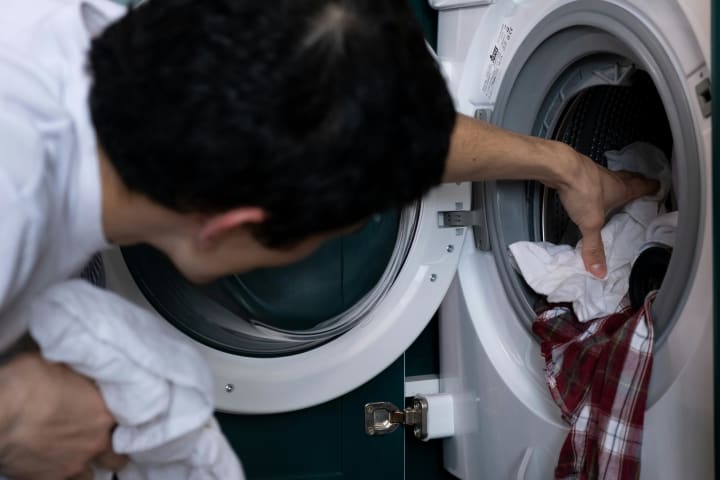
Moreover, dry cleaning uses minimal heat compared to household dryers, which are notorious for causing consolidation shrinkage. The solvents used in dry cleaning dissolve dirt and oils without the agitation seen in washing machines, so the fibers aren’t subjected to mechanical stress, helping fabrics retain their shape and size.
Why Natural Fibers Shrink More in Washing but Less with Dry Cleaning
Natural fibers such as cotton, wool, and linen are particularly prone to shrinkage in water-based washing processes. Cotton, for example, easily absorbs water, causing its fibers to expand and then shrink as the water evaporates. Wool, on the other hand, reacts to both heat and moisture, which makes it particularly vulnerable to felting shrinkage.
Dry cleaning protects these natural fibers because it doesn’t involve soaking in water, and the absence of agitation helps prevent felting. For wool garments, dry cleaning is especially beneficial as it avoids the heat that can cause the wool fibers to mat together. Similarly, linen, a fiber that is prone to wrinkling and shrinking, retains its structure better when dry-cleaned since it isn’t exposed to the same stresses found in water-based washing.
Synthetic Fabrics and Dry Cleaning
Synthetic fabrics like polyester, nylon, and acrylic are generally more resistant to shrinkage because they are man-made fibers engineered to withstand stress. However, even these materials can be subject to some shrinkage when exposed to high heat in dryers or aggressive washing cycles.
The advantage of dry cleaning for synthetic fabrics lies in the gentle process. By skipping the heat and agitation of a traditional wash cycle, dry cleaning ensures that synthetic garments maintain their original dimensions, shape, and texture.
Blended Fabrics and How Dry Cleaning Helps
Blended fabrics, such as cotton-polyester or wool blends, combine the characteristics of both natural and synthetic fibers. The challenge with these fabrics is that one fiber type may shrink more than the other, leading to distortion or uneven shrinkage.
In these cases, dry cleaning offers a safer alternative to washing, as it treats the garment gently, avoiding the water and mechanical forces that can cause one part of the fabric to shrink more than another. This results in a more consistent appearance and longer-lasting shape.
Dry Cleaning’s Role in Preserving Delicate Fabrics
Fabrics like silk, rayon, and acetate are delicate and can be easily damaged by water or heat. For these fabrics, dry cleaning is crucial because the solvent used does not interact with the fibers in the same way water does.
Water can weaken these fabrics, leading to shrinkage, loss of sheen, or even damage to the fabric’s structure. The controlled environment of premium dry cleaning services ensures that the fabric’s integrity is maintained without any adverse effects on its size or form.
Why Certain Fabrics Fare Better with Dry Cleaning
In summary, the reason certain fabrics shrink less with dry cleaning is rooted in the absence of water, heat, and agitation during the cleaning process. Natural fibers like cotton and wool, as well as blended and synthetic fabrics, benefit from this method, which helps them retain their original size and shape.
For delicate materials, dry cleaning provides a gentle yet effective solution to prevent shrinkage and maintain their longevity. Dry cleaning is a preferred choice for those looking to protect the integrity of their fabrics while avoiding the shrinkage and wear that often comes with traditional washing methods.
About the Creator
Keep reading
More stories from writers in Longevity and other communities.
Day 4 of Quitting
If this is how sobriety feels, maybe it’s better to go through life a little buzzed… this, along with other hits like, I want to kill myself, I wish I was dead, and I’m going to throw myself off a bridge have been the only thoughts on rotation these past few days. I promise myself that if, in a month, I still feel like this (‘this’ meaning despondent, full of rage, and simultaneously numb) I can go back to smoking. Until mid-February though? Nicotine is off the table.
By sleepy drafts12 days ago in Longevity
Collectibles Market Size and Forecast 2025–2033
Collectibles Market Outlook 2025–2033 The global Collectibles Market is expected to reach US$ 480.75 billion by 2033, expanding from US$ 291.66 billion in 2024, at a CAGR of 5.71% from 2025 to 2033. This steady rise reflects a powerful convergence of emotional value, investment potential, and technological innovation. From fine art and rare coins to trading cards, pop culture memorabilia, and digital collectibles, the industry continues to broaden its appeal across age groups, geographies, and income levels.
By Renub Research6 days ago in Longevity
How to Succeed at the Benson Directory®
Congratulations and welcome to the Benson Directory® employee #22391! As our newest call handler, you will have the privilege of speaking with dozens of unique and interesting people on a daily basis as well as the opportunity to earn bonuses for high performance. Contained within this handbook you will find a set of ease to follow instructions designed to help you settle in to your new role and begin paving the way to success.
By S. A. Crawford2 days ago in Fiction
The Devil's Cut
“Comrade, finally you’re awake.” The voice was smooth, sensual. A flickering incandescent bar was all that lit the white, sterile room. All Vladimir remembered was everything going black. He tried to move his arms and found them strapped to the gurney.
By Matthew J. Fromm5 days ago in Fiction




Comments
There are no comments for this story
Be the first to respond and start the conversation.