
Why Breast cancer in African American Women is underdiagnosed
How to Screen, Avoid the Risks and Stay Safe


More women are affected by breast cancer than by any other form of cancer. It is the primary cause of cancer-related fatalities among women, particularly African American women, who experts say are routinely underdiagnosed and undertreated.
African American women are subjected to disproportionate levels of breast carcinogens and are at the largest risk of significant health consequences because of the condition.
Despite a worldwide decline in death rates, the incidence of breast cancer in African American women has increased over the last 20 years. The differences between white and black women's death rates have widened considerably.
---
What are the Facts?
· In the U.S., a woman's lifetime risk of breast cancer is one in every eight, and for women between the ages of 20 and 59, breast cancer has the greatest death rate of any malignancy.
· African American women have the highest breast cancer death rate of any racial or ethnic group in the United States, at 31 percent.
· African American women diagnosed with breast cancer had a 42 percent greater death risk than Caucasian women with the same disease.
· Breast cancer is more common in African American women under the age of 45 than in Caucasian women.
· Younger women in general, and especially younger African American women, are more likely to have the triple negative subtype of the illness, which is more aggressive and linked with a greater death rate.
Triple negative breast cancer is also detected more frequently in African American women living in the U.S. versus European-American women living in the U.S.
Triple-negative breast cancer isn't the only one to blame. Recent research has discovered that black women, regardless of breast cancer subtype, have a poorer prognosis than white women.
The bottom line: When it comes to breast cancer, African American women face a triple dose of unfortunate circumstances: a younger age at diagnosis, more aggressive forms of cancer, and higher fatality rates.

---
Underdiagnosed and Undertreated
So, what exactly is causing the underdiagnosis and undertreatment of breast cancer in African American women? Although there is no clear explanation, research has pointed to socioeconomic and genetic variables.
There is continuing research to see if there is a genetic component to the greater prevalence of aggressive tumors and the younger age of diagnosis. Meanwhile, several socioeconomic variables, including insufficient screening, treatment, and lack of access to therapy, may be contributing to the alarming death rate among African American women with breast cancer.
One of the major variables that leads to death, according to Abenaa Brewster, MD, MHS, associate professor at the University of Texas MD Anderson Cancer Center, is a later stage of cancer upon diagnosis. As opposed to 35 percent of white women, 45 percent of black women have cancer that has gone beyond the breast when they are detected.
Inadequate screening may have resulted in this later stage of diagnosis. Screening refers to the use of mammography (a breast X-ray) in women without breast symptoms to identify breast cancer at an early stage, when it is most effectively treated.
Women who do not get tested for breast cancer are more likely to appear with the disease at a later stage and have poorer outcomes as a result. African American women, according to some data, are less likely to obtain sufficient screening. However, insufficient screening is simply one aspect of the story.
Other points include a shortage of access to care, or individuals who have been diagnosed but may not necessarily receive treatment, Dr. Brewster stated.
"To put it another way, it's a systemic issue including screening, access, and treatment."

What are the most effective screening methods?
There are multiple screening barriers preventing African American women from getting mammograms. Recognizing screening predictors among minority women and addressing culturally unique barriers may help improve the utilization of screening mammography more frequently.
The most essential screening techniques are mammography and general breast health awareness. Women with known breast cancer genes, BRCA, mutations and those who have had relatives diagnosed with breast cancer at a young age should begin annual mammograms before turning 40.
Those with a family history of breast cancer should begin screening mammography 5–10 years younger than the family's youngest breast cancer diagnosis. For extra monitoring, they may need to get a breast MRI.
In African American women, being vigilant of changes in the breast - such as a new lump, bloody nipple discharge, or skin changes like inflammation or dimpling - is critical.
Mammograms are the most effective approach for many women to detect breast cancer early, when it is easier to treat and before it has grown large enough to feel or cause symptoms. Regular mammograms can help you from dying from breast cancer. For most women, a mammography is the best approach to detect breast cancer currently.
Magnetic Resonance Imaging of the Breast (MRI) - A breast MRI takes images of the breast using magnets and radio waves. In addition to mammograms, MRI is used to evaluate women who are at high risk for breast cancer. Breast MRIs are not utilized for women at average risk because they might seem abnormal even when there is no malignancy.
A clinical breast exam - A clinical breast exam is performed by a doctor or nurse who uses his or her hands to feel for lumps or other changes in the breast.
Breast Self-Awareness - Knowing how your breasts appear and feel can help you detect signs like lumps, discomfort, or changes in size that could be cause for worry. Changes discovered during a breast self-examination might be among them. Any changes you detect should be reported to your doctor or health care provider.
**Note: A clinical breast exam or a breast self-exam has not been shown to reduce the risk of dying from breast cancer, according to the Centers for Disease Control and Prevention (CDC).
Best Forms of Treatment
Breast cancer is treated in several ways. It depends on the kind of breast cancer and how far it has spread. People with breast cancer often get more than one kind of treatment.
Surgery - An operation where doctors cut out cancer tissue.
Chemotherapy - Using special medicines to shrink or kill the cancer cells. The drugs can be pills you take, or medicines given in your veins, or sometimes both.
Hormonal therapy - Blocks cancer cells from getting the hormones they need to grow.
Biological therapy -Works with your body's immune system to help it fight cancer cells or to control side effects from other cancer treatments.
Radiation therapy - Using high-energy rays (like X-rays) to kill the cancer cells.
Complementary/Alternative Medicine
Complementary and alternative medicine are medicines and health practices that are not standard cancer treatments. Complementary medicine is used in addition to standard treatments, and alternative medicine is used instead of standard treatments.
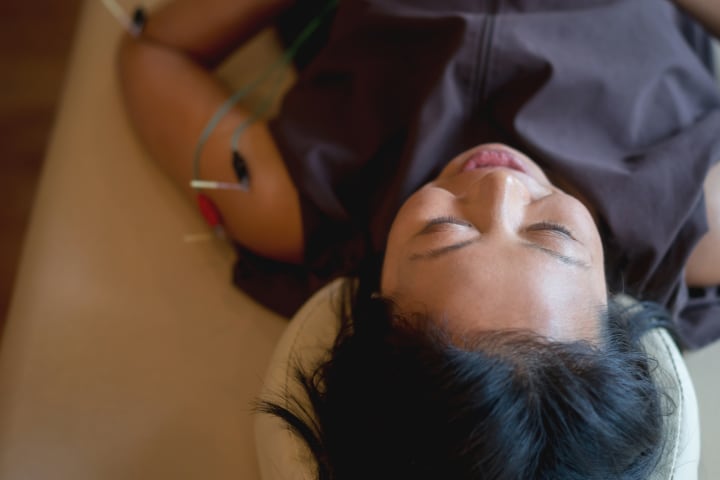
Some complementary forms of treatment include Acupuncture, Aromatherapy, Chiropractic Therapy, Guided Imagery, Hypnosis, Massage, Medical Cannabis, and many others.
It is important to note that many kinds of complementary and alternative medicine have not been tested scientifically and may not be safe. Experts advise those at risk to speak with their doctor about risks and benefits before starting any kind of complementary or alternative medicine.
Prevention: Better than a Cure
There are a variety of ways to stay well and avoid being sick. As they say, "An ounce of prevention is worth a pound of cure."
· Maintain a healthy weight and exercise regularly. Obesity has been related to an increased risk of breast cancer.
· Ask your doctor about the dangers and benefits of hormone replacement therapyexternal icon or oral contraceptivesexternal icon (birth control pills) if you are taking or have been prescribed them.
· Breastfeed if possible.
· Anyone with a family history of breast cancer or inherited changes in your BRCA1 and BRCA2 genes, should talk to a doctor about ways to lower their risk.
· Consume nutritious, well-balanced diet rich in fiber and antioxidants. Avoid artificial sweeteners, additives, and highly processed foods; self-screen monthly; and have mammograms regularly.
· Regularly see your doctor; all women should have an annual medical evaluation that includes a breast examination. If you believe you could have breast cancer, ask questions about whether you're at risk and what signs to look for.
---
Early Detection is Key
Detecting breast cancer early when it is small and simpler to treat is the most effective weapon a woman can use in the battle against breast cancer. Early detection is aided by regular mammography screenings and visiting a doctor if you notice anything unusual.
By the age of 40, women should begin undergoing annual mammograms. Early identification of aggressive tumors can save lives and decrease the need for chemotherapy; thus, these early detection techniques are especially essential for African American women.
Because the density of premenopausal breast tissue might obscure or hide cancer-related mammography results, reading mammography in younger women can be more difficult. A new lump, bloody nipple discharge, or a change in the surface of the breast, such as inflammation or dimpling, are all warning indications of breast cancer.
Being aware of warning signals on self-examination is especially essential for black women since they have a higher risk of early-onset breast cancer. Breast cancer risk can be reduced by making lifestyle changes such as eating a nutritious diet, exercising regularly, and reducing alcohol use.
About the Creator
Mandilee A Hecht
Michigan Journalist since 2007. Freelance Writer and Content Creator. Wife, and mom to two very photogenic cats
Keep reading
More stories from Mandilee A Hecht and writers in Longevity and other communities.
Day 4 of Quitting
If this is how sobriety feels, maybe it’s better to go through life a little buzzed… this, along with other hits like, I want to kill myself, I wish I was dead, and I’m going to throw myself off a bridge have been the only thoughts on rotation these past few days. I promise myself that if, in a month, I still feel like this (‘this’ meaning despondent, full of rage, and simultaneously numb) I can go back to smoking. Until mid-February though? Nicotine is off the table.
By sleepy drafts10 days ago in Longevity
Saudi Arabia Date Syrup Market Size and Forecast 2025–2033
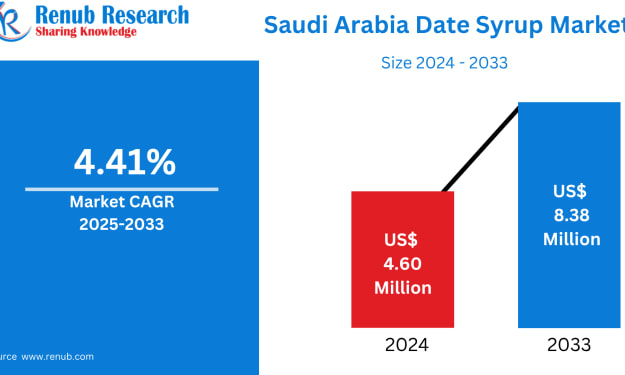
Saudi Arabia Date Syrup Market: A Sweet Tradition Entering a Modern Growth Phase The Saudi Arabia Date Syrup Market is expected to reach US$ 8.38 million by 2033, up from US$ 4.6 million in 2024, expanding at a CAGR of 6.88% from 2025 to 2033. Supported by the Kingdom’s rich date cultivation heritage and growing preference for organic, traditional, and functional food products, the market is being driven by rising health awareness, increasing demand for natural sweeteners, and wider adoption across culinary and foodservice applications.
By Marthan Sir8 days ago in Longevity



Comments
There are no comments for this story
Be the first to respond and start the conversation.