
Why an Inflamed Body Can Nullify the Goodness of Gut Microbiota and Probiotic Supplementation?
Because mucus barrier is compromised

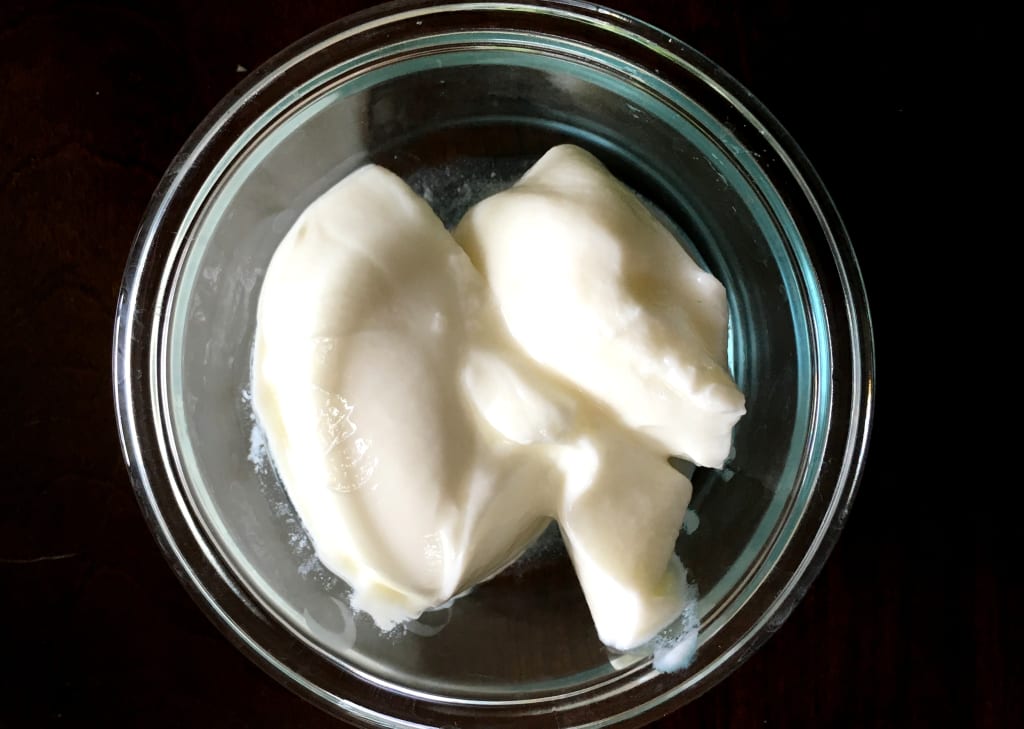
Even common people have heard about gut microbiota—how they help with digestion and play a role in maintaining overall good health.
But most people don’t know the deeper facts they should know.
For example,
Can gut microbiota turn hostile?
Yes, it can.
When does the gut microbiota turn hostile?
This is something everyone should be aware of.
Imagine you are eating very nutritious, organic food. But your environment has a chemical factory nearby and an agricultural field. The factory spews toxic fumes, and heavy pesticides are sprayed on the crops.
Do you think you’ll remain healthy just because you’re eating organic food?
No.
Because you are constantly inhaling fumes and being exposed to pesticides.
All your organic, healthy food becomes nearly useless.
Your body becomes acidic. The mucus coating in your gut starts degrading. Gut health suffers.
The mucus barrier is essential. It separates the gut microbiota from the gut mucosa.
Even if you take probiotics to nurture the microbiota, you may not get the benefits if your gut environment is compromised.
Without the mucosal barrier, microbes can easily enter the mucosa. The immune system detects them and reacts. The microbes then retaliate and produce toxins.
A tug-of-war begins.
Depending on the situation, either the microbes or the host immune system wins.
Sometimes, a tumorous mass may form at the irritated site. Or the infection may spread, leading to septicemia and potentially life-threatening sepsis.
So you see, when the mucus degrades, even gut microbiota can become dangerous.
These microbes aren’t there to always support us in an inflamed body.
They have evolved with us and learned to live in harmony—and even help us.
But if we damage the mucus layer and threaten their survival, the relationship changes.
They become adversarial.
So now you know what to do:
Avoid irritants.
Keep your body’s pH within a healthy range.
Maintain the integrity of the mucus barrier.
Only when the microbes and the mucosa don’t come in direct contact, will gut microbiota remain your friend.
I hope you learned something important from this article.
In the last decade, the role of probiotics for gut health has been widely recognized.
Fermented foods such as yogurt, kefir, kimchi, kombucha, sauerkraut, tempeh, and miso are known to be natural sources of probiotic strains.
These probiotics include both bacteria and yeast.
The bacterial genera include Lactococcus, Leuconostoc, Pediococcus, Propionibacterium, Bifidobacterium, Bacillus, Streptococcus, Enterococcus, and Escherichia coli.
The main probiotic yeast genus is Saccharomyces.
Probiotics help maintain gut homeostasis by suppressing the pathogenicity of microbes like Enterococcus faecalis, Salmonella enterica, Listeria monocytogenes, Staphylococcus aureus, and E. coli.
However, some studies have shown that probiotics may not be safe for everyone.
Certain vulnerable groups—such as neonates, patients with leaky gut, those with diabetes mellitus, or people recovering from organ transplants—may not benefit from probiotic use.
Due to their compromised immune systems, probiotic strains might even lead to pneumonia, endocarditis, or sepsis in such individuals.
So, remember:
Gut microbiota and probiotic supplementation will be useful only if gut integrity is strong.
This will only be possible if irritants are avoided.
Unfortunately, public awareness about these irritants is still very low—largely due to the lack of proper education from health organizations and professionals.
Irritants come in four types:
Biological, chemical, mechanical, and psychological.
Just like a table will wobble if one leg is broken, the body too loses balance when any of these irritants persist.
All irritants must be addressed to maintain bodily homeostasis.
I regularly write about health-friendly topics like this. I hope this story is informative.
About the Creator
Seema Patel
Hi, I am Seema. I have been writing on the internet for 15 years. I have contributed to PubMed, Blogger, Medium, LinkedIn, Substack, and Amazon KDP.
I write about nature, health, parenting, creativity, gardening, and psychology.
Keep reading
More stories from Seema Patel and writers in Longevity and other communities.
Day 4 of Quitting
If this is how sobriety feels, maybe it’s better to go through life a little buzzed… this, along with other hits like, I want to kill myself, I wish I was dead, and I’m going to throw myself off a bridge have been the only thoughts on rotation these past few days. I promise myself that if, in a month, I still feel like this (‘this’ meaning despondent, full of rage, and simultaneously numb) I can go back to smoking. Until mid-February though? Nicotine is off the table.
By sleepy drafts11 days ago in Longevity
How Breathing Became Easier Without Me Noticing When
I cannot point to the exact moment it happened. There was no sudden breath of freshness. No noticeable shift in temperature. No sound of ventilation kicking on. If you had asked me that day whether anything had changed in the room, I would have said no.
By illumipure3 days ago in Longevity




Comments (2)
Congratulations 🎉
Congratulations on your first story on Vocal! :) True, all these things should be part of a general global education and promoted by healthcare professionals. Great job rising awareness of topics that concern everyone.