
Which vegetable is better raw or cooked? Eating the right ones can even inhibit cancer cells.
Various vegetables
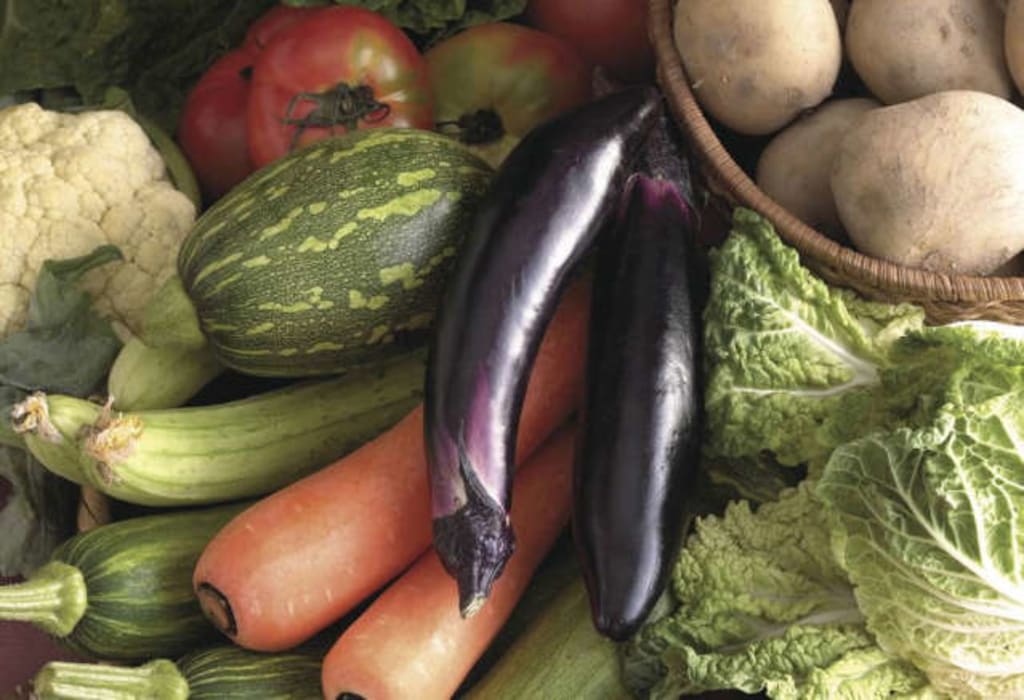
To effectively absorb the nutrients in vegetables, it is important to cook each vegetable according to its different characteristics. Some vegetables are healthier when eaten raw, while others are better when heated and consumed.
◇ Vegetables with higher nutritional value when heated = eggplant, carrots, squash, garlic, soybeans, spinach, watercress, tomatoes, asparagus
First of all, eggplant is a vegetable that must be cooked before it can be eaten. Eggplant contains the toxic ingredient lycopene, which can cause vomiting and dizziness when eaten raw. The absorption of calcium in the body also becomes more difficult. When heated, lycopene is destroyed. Roasted eggplant loses moisture and increases nutrient density. The antioxidant-rich anthocyanins in eggplant can be effectively consumed. Also cooking in vegetable oil removes the characteristic fishy taste of eggplant and improves digestion and absorption.
Carrots, squash, garlic and soybeans are representative vegetables that are very tasty when cooked. The absorption rate of beta-carotene, the main nutrient in carrots, is only 10% when eaten raw and increases to over 60% when cooked. In fact, a team of Italian researchers showed that carrots contain more carotenoids (plant pigments, including beta-carotene) when cooked than when they are eaten raw or steamed. Pumpkin is also rich in beta-carotene, so it's best to eat it cooked as well. The anti-cancer effect of garlic increases if it is cooked or boiled before eating. This is because it produces more of the cancer inhibitor "S-cysteine". According to a study conducted by the Department of Agri-Food of the National Academy of Agricultural Sciences in Korea, garlic boiled in boiling water for 60 minutes contained three times more S-cysteine than raw garlic. When garlic is simply cooked by heating in a microwave oven, S-cysteine is reduced or unchanged. Also soybeans increase in protein content by 6-7% when cooked. Spinach and watercress are also rich in beta-carotene and it is better to blanch these vegetables than to boil them slightly. This is because the cell walls are broken in boiling water for about 30 seconds, making the beta-carotene easily absorbed by the body.
When tomatoes are boiled or fried, the antioxidant nutrient "lycopene" is increased. A Cornell University research group heated tomatoes from 88 degrees for 30 minutes, resulting in a 35 percent increase in lycopene. Lycopene is readily soluble in oil, so it is advisable to use less oil when cooking or frying tomatoes. Asparagus has hard fibers and is difficult to digest raw, but when cooked slightly the fiber cells will break down, reducing the burden of digestion while absorbing the nutrients. Asparagus is rich in vitamins A, C, E, protein, folic acid, iron, potassium, calcium and other nutrients.
Vegetables with higher nutritional value when eaten raw = Cauliflower, cabbage, broccoli, radish, bitter melon, lettuce, kale, leek
Cauliflower, cabbage, and broccoli are rich in vitamin C, gluconate, and other nutrients that are weak against heat, so it is best to eat them raw. Because they are rich in dietary fiber, they have a crisp texture. It can be sliced into thin slices for salads or eaten as a pickle. Radish is often used in soups, and its nutrients are almost lost when boiled. Histidine enzyme, the main component of radish, is an enzyme that helps digestion, so even if it reaches only 50 degrees, its effectiveness decreases and its resistance to heat is very weak. Since the skin of radish has many antioxidant components, when eating it raw, do not peel it, but wipe the outer layer with water diluted with vinegar before eating it. In addition, bitter melon is usually eaten fried because of its characteristic bitter taste. However, more than half of the vitamins B and C of bitter melon are destroyed after frying. Pickling with salt or frying can reduce the bitterness. Lettuce, kale and other dark green vegetables contain a lot of folic acid, a type of vitamin B. Folic acid is also not heat-resistant, so dark green vegetables are best used for eating wraps or salads. Leeks are rich in sulforaphane, which is good for blood vessel health. Sulfated alkenes are destroyed if heated above 70 degrees, so it is also recommended that they are best eaten raw or blanched slightly to retain their nutritional value.
About the Creator
Keep reading
More stories from writers in Longevity and other communities.
Day 4 of Quitting
If this is how sobriety feels, maybe it’s better to go through life a little buzzed… this, along with other hits like, I want to kill myself, I wish I was dead, and I’m going to throw myself off a bridge have been the only thoughts on rotation these past few days. I promise myself that if, in a month, I still feel like this (‘this’ meaning despondent, full of rage, and simultaneously numb) I can go back to smoking. Until mid-February though? Nicotine is off the table.
By sleepy drafts17 days ago in Longevity
The Titanic's Final Moments Have Been Recreated With Supercomputer Precision
More than a century after the Titanic sank in the icy waters of the North Atlantic, researchers are using cutting-edge technology to understand its final, tragic moments. For the first time, supercomputers have been employed to recreate the ship’s sinking with unprecedented precision, offering new insights into what happened during those harrowing hours.
By Fiaz Ahmed 3 days ago in Longevity
The CEO of Everything
They say "jack of all trades, master of none," but they forgot to mention the part where the jack of all trades is also the camera woman, the makeup artist, and the person currently yelling at a tangled Wii microphone cable in a her own bathroom while recording herself singing and trying to make it look realistic and professional. (As professional as you can make it with nothing but a cell phone camera and a mic that doesn't work)
By Sara Wilson6 days ago in Humans




Comments
There are no comments for this story
Be the first to respond and start the conversation.