
When Do You Need a Dental Crown for a Cracked Tooth?
Signs You Need a Dental Crown for Your Cracked Tooth

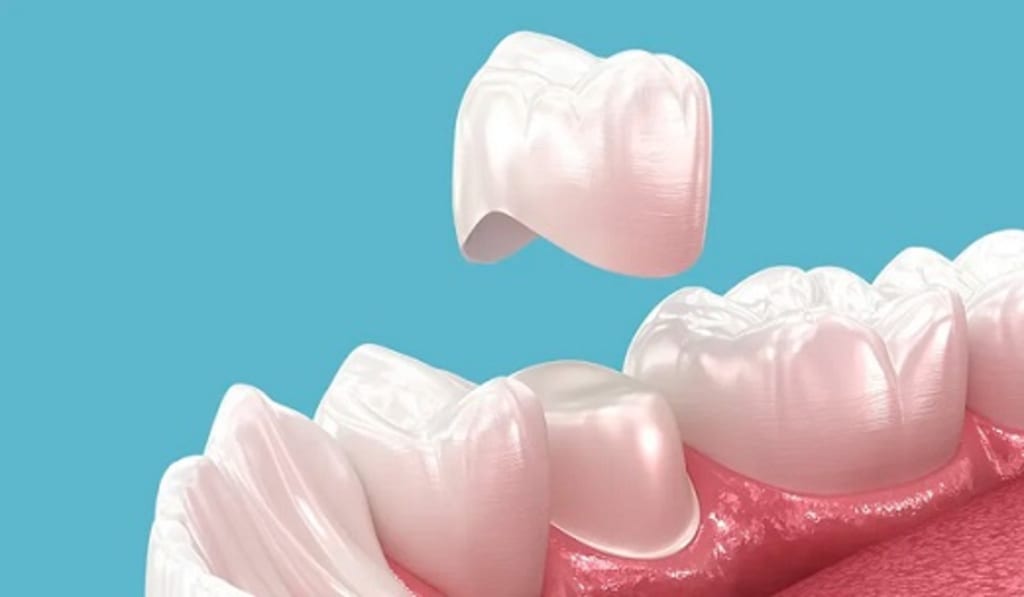
A cracked tooth is a common dental issue that can result from various causes, including trauma, biting down on hard objects, or natural wear over time. While small cracks might seem harmless initially, they can lead to significant issues if left untreated. In such cases, dental crowns are often the recommended solution. It's essential to consult with a top-rated Lutz dentist to assess the severity of the crack and determine the most suitable treatment.
Understanding Cracked Teeth
Cracks in teeth are categorized into several types, ranging from minor surface fractures to more serious issues that can expose the inner pulp of the tooth. The most common types of cracked teeth include:
- Craze lines: Superficial cracks that affect only the enamel. They are usually not a cause for concern, but can impact the tooth's appearance.
- Fractured cusp: A crack that involves the tooth's chewing surface, often causing a piece of the tooth to break off.
- Cracked tooth: A crack that extends from the chewing surface down towards the root but does not go all the way through.
- Split tooth: A severe crack splits the tooth into two parts, often requiring extraction.
Each type of crack presents different symptoms, with some being more serious than others. Knowing the severity of the crack is crucial in determining whether a dental crown is necessary.
When Is a Dental Crown Needed?
Dental crowns are used to protect, cover, and restore the function of cracked teeth. But how do you know if your cracked tooth needs a crown? Here are some indicators:
1. Pain and Sensitivity
If you experience persistent pain or discomfort, especially when chewing or applying pressure to the cracked tooth, it may indicate that the crack has compromised the structural integrity of the tooth. Sensitivity to hot or cold temperatures is another sign that the tooth's enamel has been damaged, exposing the nerves within. A dental crown can help protect the tooth and prevent further nerve damage.
2. Visible Crack or Chip
Sometimes, the crack may be visible on the tooth's surface. If the crack is large or deep enough, it can affect the tooth's functionality and appearance. A dental crown can be placed to cover the crack, restoring the tooth's appearance and strength.
3. Difficulty Chewing
Cracked teeth can make it difficult to chew food comfortably if the crack has weakened the tooth’s structure. A dental crown can provide additional support and strength to the tooth, allowing you to chew more effectively.
4. The Crack Extends Below the Surface
A minor surface crack might not require a crown, but if it extends deeper into the tooth, especially if it reaches the root or pulp, it can expose the tooth to infection. A dental crown can shield the tooth from bacteria and prevent the crack from worsening.
5. Fractured Tooth with Missing Pieces
If a significant portion of the tooth breaks off due to the crack, a crown can help restore the tooth’s shape and prevent further deterioration. A crown is often necessary if a large piece of the tooth is missing and cannot be repaired with a filling.
Benefits of Dental Crowns for Cracked Teeth
Dental crowns in Lutz offer several advantages for individuals with cracked teeth. These benefits include:
- Protection: Crowns provide a protective covering, preventing further damage to the cracked tooth.
- Restoration: Crowns restore the tooth’s shape, size, and function, allowing you to chew normally and speak clearly.
- Aesthetic Improvement: Crowns are custom-made to match the color and shape of your natural teeth, thereby enhancing the appearance of cracked or damaged teeth.
- Longevity: Crowns are durable and can last many years with proper care.
A cracked tooth should never be ignored, as it can lead to further complications if left untreated. If you notice pain, sensitivity, or visible cracks in your tooth, it’s essential to consult your dentist to determine if a dental crown is necessary. Dental crowns are a highly effective solution for cracked teeth, offering protection, functionality, and aesthetic benefits. If you're unsure whether you need a crown, your dentist can assess the severity of the crack and recommend the most suitable treatment for your specific needs. Addressing cracked teeth early can prevent further damage and maintain optimal dental health.
About the Creator
Mandeep Singh
A Technical Content Strategist at Fix My Home Guide.
Keep reading
More stories from Mandeep Singh and writers in Longevity and other communities.
Do I Really Need a Crown? Five Things You Should Ask
When your dentist recommends a dental crown, it can raise numerous questions. Crowns are one of the most common dental procedures, but they also come with a price tag, both financially and in terms of time. Understanding whether you genuinely need a crown and what the process entails is crucial for making an informed decision. Dental crowns in West Hills are often recommended when a tooth is damaged, decayed, or weakened. However, before proceeding, it’s essential to ask the right questions to ensure it’s the best option for you.
By Mandeep Singh10 months ago in Journal
Green Tea: A Cup Full of Wellness 🌿 (Health Tips)
Introduction Green tea is more than just a warm and relaxing drink — it is one of the most loved natural beverages in the world. It is made from the leaves of the plant (Camellia sinensis) a plant known for its rich antioxidants and healing properties.
By Health Tipsa day ago in Longevity



Comments
There are no comments for this story
Be the first to respond and start the conversation.