
What You Need to Know About Congenital Heart Defects
Types of Congenital Heart Defects

Congenital heart defects (CHDs) are structural problems with the heart that are present at birth. They affect the heart's formation and function, impacting how blood flows through the heart and the rest of the body. CHDs are among the most common birth defects and can range from mild to severe. Understanding these defects, their causes, symptoms, treatment options, and the outlook for children and adults with CHDs can help patients and families manage this lifelong condition.
Types of Congenital Heart Defects
Congenital heart defects can vary widely, from simple conditions that may require minimal or no treatment to complex conditions that need surgery or ongoing care. Here are some of the main categories of CHDs:
Septal Defects (Holes in the Heart): These are defects in the walls (septum) that separate the heart's chambers.
Atrial Septal Defect (ASD): A hole in the wall between the upper chambers (atria).
Ventricular Septal Defect (VSD): A hole between the lower chambers (ventricles).
Obstructive Defects: These defects restrict blood flow due to narrow valves or vessels.
Pulmonary Stenosis: Narrowing of the pulmonary valve, making it harder for blood to flow to the lungs.
Aortic Stenosis: Narrowing of the aortic valve, affecting blood flow from the heart to the rest of the body.
Coarctation of the Aorta: A narrowing of the aorta, impacting blood flow throughout the body.
Cyanotic Defects: These defects cause low blood oxygen levels, leading to a bluish color (cyanosis) of the skin.
Tetralogy of Fallot (TOF): A complex defect with four different heart malformations.
Transposition of the Great Arteries: The main arteries (aorta and pulmonary artery) are switched, causing oxygen-poor blood to circulate to the body.
Other Complex Defects: These may involve multiple structural issues within the heart.
Hypoplastic Left Heart Syndrome (HLHS): Underdevelopment of the heart’s left side, affecting blood flow.
Single Ventricle Defects: Conditions in which only one ventricle is functional.
Causes and Risk Factors
Most congenital heart defects develop early in pregnancy when the heart is forming, though the exact cause is often unknown. However, several factors may increase the risk:
Genetics: Some CHDs are inherited, and specific genetic syndromes, like Down syndrome, are associated with a higher risk of heart defects.
Maternal Factors: Maternal diabetes, obesity, smoking, or alcohol use during pregnancy can increase the risk.
Environmental Factors: Exposure to certain medications, chemicals, or infections (like rubella) during pregnancy may affect fetal heart development.
Symptoms of Congenital Heart Defects
The symptoms of CHDs depend on the type and severity of the defect. Common signs include:
Bluish Tint (Cyanosis): This may appear in the skin, lips, or fingernails, especially in cyanotic defects.
Rapid Breathing or Shortness of Breath: Particularly during feeding or physical activity.
Poor Weight Gain: Infants may struggle to feed and gain weight effectively.
Fatigue: Children and adults with CHDs may experience fatigue or have low energy.
Swelling: Swelling in the legs, ankles, feet, or abdomen may indicate heart issues.
Some congenital heart defects are detected shortly after birth, while others may not be noticed until later in life if symptoms are mild.
Diagnosing Congenital Heart Defects
Diagnosing a CHD often involves several tests and examinations:
Echocardiogram: This ultrasound test creates detailed images of the heart's structure and function.
Electrocardiogram (ECG): Measures electrical activity in the heart and detects irregularities.
Chest X-Ray: Shows the size and shape of the heart and any associated fluid buildup in the lungs.
Cardiac Catheterization: A catheter is inserted into a blood vessel to examine the heart’s function and blood flow.
Magnetic Resonance Imaging (MRI): Provides detailed images, especially useful for complex defects.
Pulse Oximetry: Measures oxygen levels in the blood to identify cyanotic defects.
In some cases, prenatal screening through ultrasound or fetal echocardiography can detect CHDs before birth.
Treatment Options for Congenital Heart Defects
Treatment for CHDs depends on the type and severity of the defect. Options range from monitoring and medication to complex surgeries.
Medications: Some medications can help manage symptoms by improving heart function, reducing blood pressure, or preventing clots.
Cardiac Procedures and Surgery:
Catheter-Based Procedures: These are minimally invasive procedures used to repair holes, open narrowed valves, or close abnormal blood vessels.
Open-Heart Surgery: For more complex defects, open-heart surgery may be necessary to repair or reconstruct the heart’s structure.
Heart Transplant: In rare cases, if the defect is too severe to be repaired, a heart transplant may be needed.
Ongoing Care and Monitoring: Many individuals with CHDs require lifelong monitoring and follow-up appointments with a cardiologist. Regular checkups help detect changes in the heart's function and provide timely treatment.
Lifestyle Adjustments: Depending on the severity of the defect, individuals may need to limit certain physical activities and adopt a heart-healthy lifestyle.
Living with Congenital Heart Defects
Living with a CHD can pose challenges, but many people lead full, active lives. Advances in treatments and surgeries have greatly improved the outlook for individuals with CHDs, allowing many to reach adulthood. Key aspects of managing life with a CHD include:
Regular Check-Ups: Continued monitoring is essential, as some heart defects can worsen or lead to complications over time.
Exercise Guidelines: While exercise is beneficial, some individuals with CHDs may have restrictions. Consulting with a cardiologist can help determine safe levels of physical activity.
Medication Adherence: Following prescribed medication plans can help control symptoms and prevent complications.
Mental and Emotional Health: Living with a CHD can lead to anxiety or depression, especially for children and teens. Support groups, counseling, and family support can be valuable resources.
Long-Term Outlook and Advances in Treatment
With advancements in medical technology and treatment, individuals with CHDs have better outcomes and improved quality of life. Many children born with CHDs now reach adulthood, and treatment options continue to expand. Ongoing research focuses on improving minimally invasive procedures, developing new medications, and understanding the genetic basis of CHDs, all of which contribute to enhancing care for those affected.
Congenital heart defects are diverse in type and severity, but with early diagnosis, effective treatments, and lifestyle management, many people with CHDs live long and fulfilling lives. Education, support, and routine medical care are essential for managing this condition. By staying informed and proactive, individuals and families affected by CHDs can navigate the challenges and improve their quality of life.
About the Creator
Keep reading
More stories from DIGITAL HUB and writers in Longevity and other communities.
Living with Cardiomyopathy: Managing Symptoms and Improving Quality of Life
Cardiomyopathy is a group of diseases that affect the heart muscle, impacting the heart’s ability to pump blood effectively. For those diagnosed, managing symptoms and improving quality of life involves understanding the condition, making lifestyle changes, and exploring various treatment options. Cardiomyopathy may have different causes and can manifest in various forms, each with its unique symptoms and treatment needs.
By DIGITAL HUBabout a year ago in Longevity
Day 4 of Quitting
If this is how sobriety feels, maybe it’s better to go through life a little buzzed… this, along with other hits like, I want to kill myself, I wish I was dead, and I’m going to throw myself off a bridge have been the only thoughts on rotation these past few days. I promise myself that if, in a month, I still feel like this (‘this’ meaning despondent, full of rage, and simultaneously numb) I can go back to smoking. Until mid-February though? Nicotine is off the table.
By sleepy drafts14 days ago in Longevity
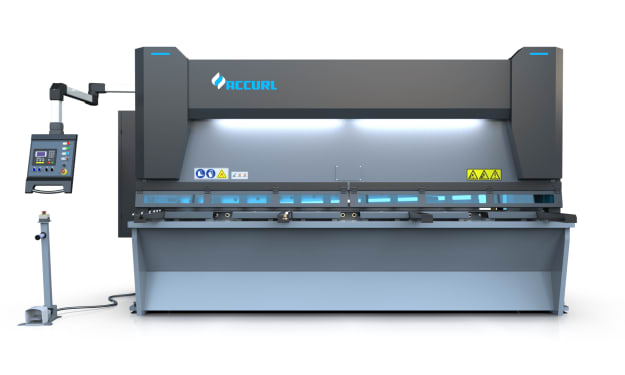
Is a Guillotine Machine Right for Your Business? Key Factors to Consider
Choosing the right cutting equipment is a critical decision for any fabrication, engineering, or manufacturing business. Whether you’re handling occasional sheet metal work or running high-volume production, the tools you use directly affect accuracy, efficiency, and profitability. One option many businesses consider is a guillotine machine, but is it the right fit for your operation?
By Axe Statusa day ago in Longevity



Comments
There are no comments for this story
Be the first to respond and start the conversation.