
What to know about eczema
Eczema, also known as atopic dermatitis, is a chronic condition that affects the skin.

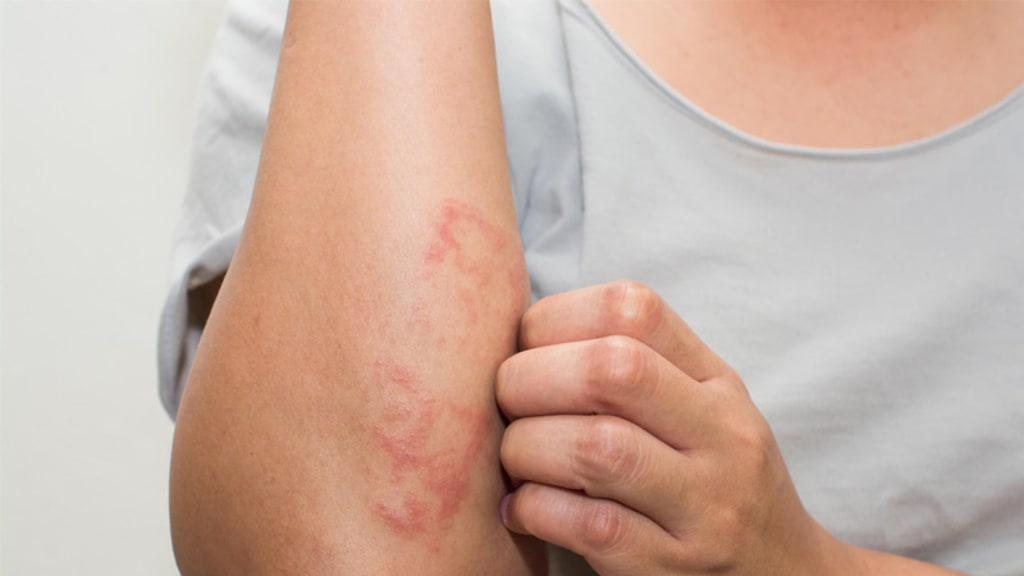
Eczema, also known as atopic dermatitis, is a chronic condition that affects the skin.
It’s characterized by patches of skin that can become red, itchy, dry, scaly and inflamed.
Eczema is a common skin condition that can affect people of all ages, but is most common in children.
While there is no cure for eczema, there are various treatments available to help control symptoms and prevent flare-ups.
What causes eczema?
The exact cause of eczema is unknown, but it is thought to be related to an overactive response by the body’s immune system to something in the environment.
People with eczema may be more sensitive to certain substances that can irritate the skin, such as soaps, detergents, rough fabrics and dust mites.
Additionally, some people with eczema have an increased sensitivity to environmental allergens, such as pollen and pet dander, which can trigger flare-ups.
What are the symptoms of eczema?
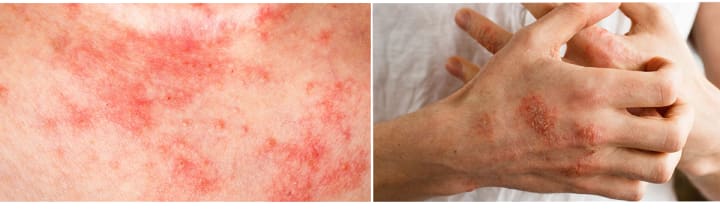
The most common symptom of eczema is itchy, dry skin. Other symptoms can include:
- Red, inflamed skin
- Small bumps that may ooze and crust over if scratched
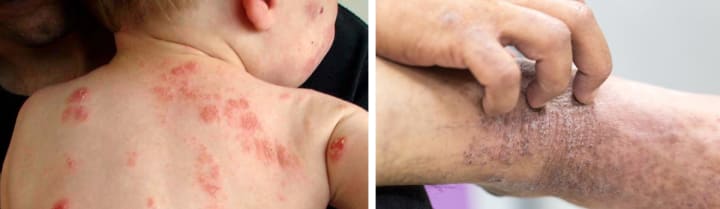
- Thickened or leathery skin
- Scaly patches of skin
- Areas of swelling
- Dark-colored patches of skin
- How is eczema diagnosed?
Your doctor will ask about your medical history and examine your skin to diagnose eczema. If your doctor suspects an allergic reaction, they may recommend an allergy test.
Your doctor may also recommend blood tests to check for inflammation.
How is eczema treated?
Eczema can be managed through lifestyle changes and medications. The goal of treatment is to relieve the symptoms and reduce flare-ups.
Lifestyle Changes:
- Avoid triggers, such as rough fabrics, soaps, and detergents, dust mites, and environmental allergens.
- Use mild soaps and moisturizers on your skin.
- Take lukewarm baths and showers instead of hot ones.
- Limit time spent in water.
- Choose gentle cleansers and fragrance-free products.
Medications:
- Topical steroids: These are creams or ointments used to reduce itching, redness, and swelling.
- Systemic Steroids: These are taken orally for more severe cases of eczema.
- Immunosuppressants: These medications suppress the immune system and reduce inflammation.
- Biologic drugs: These are newer drugs that are injected, which target specific parts of the immune system to reduce inflammation and itching.
- Light therapy: This treatment involves being exposed to ultraviolet light to help reduce inflammation.
Can eczema be prevented?
Although there is no way to completely prevent eczema, there are steps you can take to reduce the number of flare-ups.
Try to avoid triggers, such as rough fabrics, soaps, and detergents, dust mites, and environmental allergens by wearing protective clothing and using mild soaps and moisturizers on your skin.
Taking lukewarm baths and showers instead of hot ones, and limiting time spent in water can help reduce your risk of a flare-up.
Choose gentle cleansers and fragrance-free products as well.
Conclusion
Eczema is a common skin condition that can affect people of all ages, but it is most common in children. It is characterized by patches of skin that can become red, itchy, dry, scaly and inflamed.
While there is no cure for eczema, there are various treatments available to help control symptoms and prevent flare-ups.
With lifestyle changes and medications, eczema can be managed and the number of flare-ups can be reduced.
About the Creator
Keep reading
More stories from Hakan AVCI and writers in Longevity and other communities.
Day 4 of Quitting
If this is how sobriety feels, maybe it’s better to go through life a little buzzed… this, along with other hits like, I want to kill myself, I wish I was dead, and I’m going to throw myself off a bridge have been the only thoughts on rotation these past few days. I promise myself that if, in a month, I still feel like this (‘this’ meaning despondent, full of rage, and simultaneously numb) I can go back to smoking. Until mid-February though? Nicotine is off the table.
By sleepy drafts11 days ago in Longevity
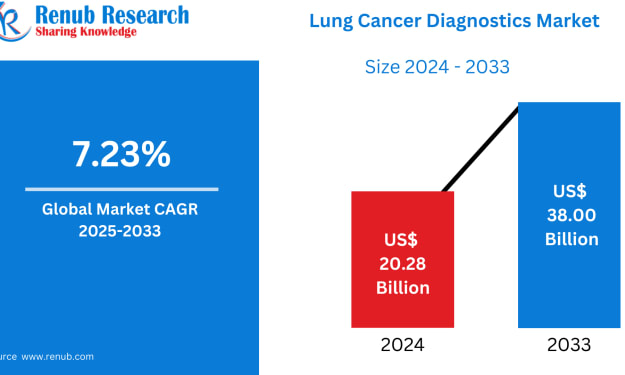
Lung Cancer Diagnostics Market Size and Forecast 2025–2033
Introduction: A Market at the Center of Early Cancer Care Lung cancer remains one of the world’s most challenging public health burdens, accounting for millions of new cases and deaths each year. Yet the narrative around lung cancer is changing. Advances in imaging, molecular diagnostics, and biomarker-driven testing are moving detection earlier, improving treatment selection, and ultimately extending survival. This transformation is reflected in the expanding commercial landscape for diagnostic technologies.
By jaiklin Fanandish5 days ago in Longevity
Center Stage with Paul Stewart
*** I'm keen to republish the interviews I did for my series with Vocal creators. It's been a few years and I thought it might be nice to revisit these wonderful conversations. I'll be releasing them one at a time for a few weeks/months.
By Heather Hubler3 days ago in Interview


Comments