
What is the most unhealthy oil? Is it soybean oil?
These 4 kinds of oil as little as possible or do not eat

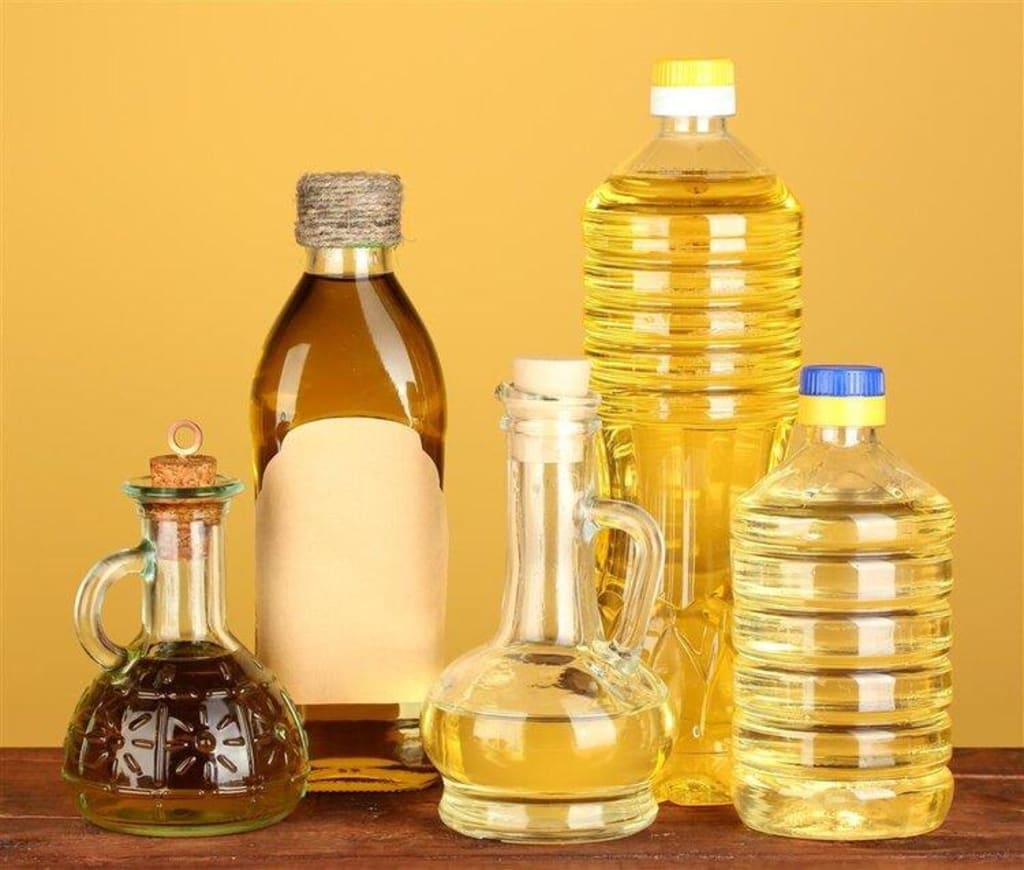
Soybean oil, buy large bottles, get small bottles, buy more, get more, come and take a look, come and pick ......
The loudspeaker at the entrance of the supermarket was cycling a promotional advertisement for soybean oil.
Auntie Yang has never been resistant to such promotions, thinking that oil is used every day at home, there are promotions to buy some just right.
She was just about to go over and get it when she was stopped by her counterpart, Su, who told her that soybean oil is produced with chemical solvents and that trans fatty acids are produced after heating, which is very bad for health and cannot be bought.
Auntie Yang was a little bit skeptical about Su's words, but it was something that was imported after all, and she decided not to buy soybean oil in the mindset that she would rather believe it than not believe it.
Oil is a necessary kitchen cooking supply, choosing the right oil, and eating the right oil, is very important. There are also very many rumors about oil, however, are these claims credible?
First, is it good or bad for the body to eat soybean oil regularly, and is it unhealthy?
Rumor has it that soybean oil is produced with shoddy chemical solvents, and not only that, but heating produces trans fatty acids. And according to WHO estimates, 540,000 people die each year from trans fatty acids, and trans fat intake raises the risk of all-cause mortality by 34%. As a result, many people have turned away from soybean oil, viewing it as a beast of burden.
The reason for this rumor begins with an article written by an American "doctor" who is notorious in the industry for his false propaganda and opposition to genetic modification.
His article lists all the dangers of soybean oil, including the fact that it is produced with chemical solvents and contains a lot of trans fats, but none of these claims are credible.
The maximum limit for trans fatty acids in the adult diet should be 1% of total dietary energy, which translates to about 2 g. The WHO recommended controlled intake of trans fatty acids is also 2 g/day.
Taking refined soybean oil, which has the highest trans fat content, as an example, the trans fatty acid content inside is about 1.44%, and the human body's daily intake of fats and oils is assumed to be 50g, the daily intake of trans fatty acids is only 0.72g, and this value of trans fatty acids is much lower than the 1% recommended by WHO, which will not threaten health.
The claim that soybean oil is made from chemical solvents is equally implausible. The former uses food-grade hexane to extract the oil from the soybeans and does not directly use chemical solvents to make the oil. The press method, on the other hand, is directly from the soybean within the pressed oil, two production methods as long as the operation is standardized, can get safe edible oil.
Soybean oil contains unsaturated fatty acids, vitamin E, vitamin D, lecithin, and other ingredients, moderate consumption can bring a lot of health benefits, said the consumption of soybean oil is harmful to the body is nonsense.
Second, these 4 kinds of oil should be eaten as little as possible or not
In life, we need to be vigilant is these four kinds of oil, to try to eat less or not.
Small workshop self-extracted oil
Many people feel that self-pressed oil is more original and tasty to eat.
But in fact, there are a lot of safety risks, on the one hand, small workshops can not be strictly selected for raw materials, and some moldy, deteriorating raw materials out of the oil will be contaminated; secondly, the production environment is not strictly sterilized, the oil is not refined, which may contain a large number of impurities.
Partially hydrogenated oil
Margarine, margarine, vegetable shortening, etc. are all hydrogenated oils, and the amount of trans fat contained in these fats can reach 10~60%, with an average content of 25~45%. Long-term intake of such fats can lead to an increased risk of cardiovascular disease.
Oils that have been opened for too long
Some cooking oils that have been opened for more than 3 months are also not recommended for consumption. This is because opening them increases the risk of mold infection, and some cooking oils are not properly sealed and are prone to oxidation. Consumption of such vegetable oils with excessive microorganisms and oxidation can easily cause bodily poisoning.
Palm oil
A study published in the journal Nature noted that feeding a diet rich in palm oil to mice for 10 days led to a greater ability to metastasize cancer cells in the mice. Another group of mice that ingested other vegetable oils showed no increase in metastasis.
Palm oil is generally used in life for the processing of food because it is more stable and less expensive, and is very common within foods such as cookies, margarine, pastries, and chocolate. Although the study was conducted on animals, it is important to eat as little as possible for health reasons and as a precaution.
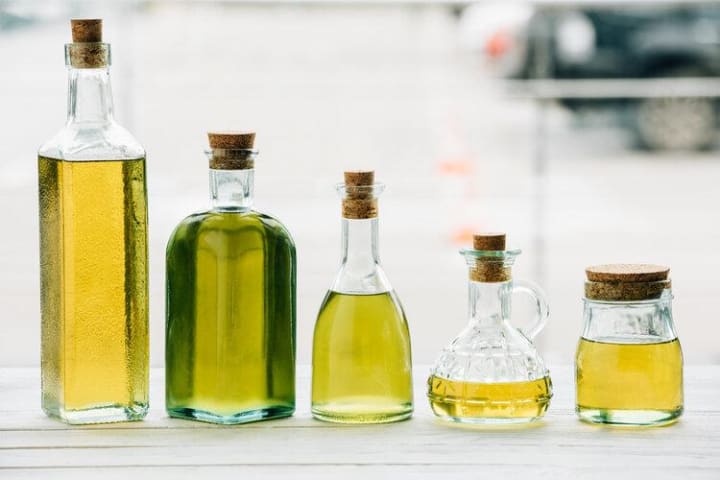
Third, soybean oil, peanut oil, corn oil ...... Which is the best oil? A table to sort out clearly
Relatively speaking, the oil with more unsaturated fatty acids is relatively healthier. Whereas saturated fatty acids can be synthesized by the human body and are available in everyday foods such as meat, eggs, and dairy, polyunsaturated fatty acids mostly come from vegetable oils.
Therefore, it can be understood that cooking oil should be better to choose vegetable oil as opposed to animal oil.
However, soybean oil, peanut oil, and corn oil are all vegetable oils, which one is better? Different ones have different advantages of oil, and you can check the following table for details.
Understand the advantages and disadvantages of various oils, in life, but also learn to use oil scientifically, pay attention to these 4 points.
1. Pay attention to the control of intake
Daily cooking oil intake should be kept at 25~30g as appropriate.
2. Pay attention to the oil absorption rate of ingredients
Different foods have different absorption rates. Foods such as bread, eggs, and eggplant will absorb a lot of oil when cooking, so pay attention to less frying when cooking.
3. Change the variety of oil to eat
It is not recommended to eat the same variety of oil for a long time, it is recommended that soybean oil, tea seed oil, peanut oil, etc. can be substituted, the fatty acid composition of different fats and oils are also different, eaten in different ways can let the body intake of different nutrients.
4. Frying leftover oil do not repeatedly use
Daily high-temperature frying food oil is generally not recommended for reuse, after high-temperature heating of trans fatty acids, fat oxidation products will increase, and long-term use may lead to a sharp increase in the content of carcinogens and after consumption is not good for health.
This kind of grease is only used once and does not want to dump, it is recommended that it can be used for stewing vegetables, rolls, and other pastry use.
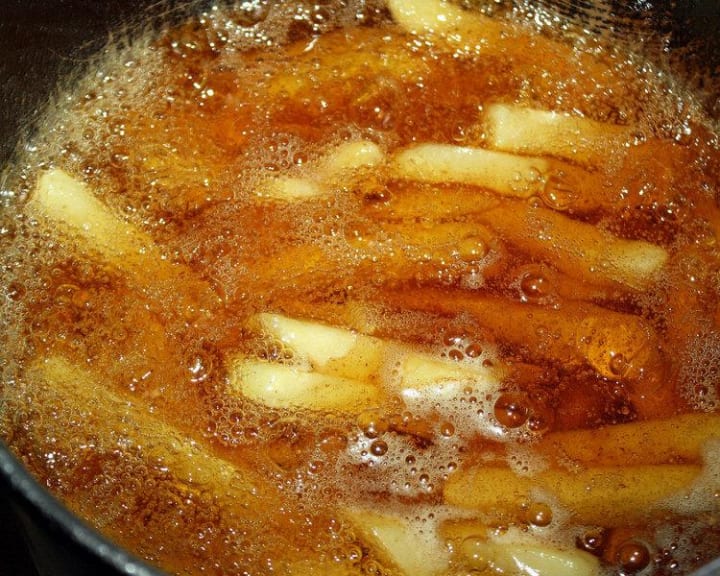
Oil is an essential ingredient in our lives, and it is important to choose the right oil, use the right oil, and eat the right oil. Daily care should be taken to avoid unnecessary health risks due to improper intake methods. Oil that has been opened for too long, oil that has been fried repeatedly, and oil with high trans fatty acid content should be eaten sparingly or not at all.
About the Creator
Rachel Caspari
Life is just a series of trying to make up your mind.
Keep reading
More stories from Rachel Caspari and writers in Longevity and other communities.
Can't drink porridge when you have diabetes?
The company's main business is to provide a wide range of products and services to its customers. But Master Chen does not think so, he thinks that the porridge and rice are not rice cooked. The company's main goal is to provide the best possible service to its customers. But his partner insisted that he could not drink porridge, and said that other diabetics in the community were saying the same thing.
By Rachel Caspari3 years ago in Longevity
How Trackless Mining Equipment Suppliers in China Operate in 2026
When searching for reliable trackless mining equipment manufacturers in China, the options get overwhelming fast. You jump on a supplier portal and suddenly see thousands of identical looking machines. Buying heavy machinery for a mine is not like ordering basic office supplies. If a loader breaks down three miles underground, the whole production schedule stops immediately. The financial hit is massive. Finding the right factory matters a lot more than just getting a cheap price tag on a shiny new vehicle.
By CEO A&S Developers3 days ago in Longevity




Comments
There are no comments for this story
Be the first to respond and start the conversation.