
What is commercial insurance?
No matter the size or type of business you run, one thing is clear—commercial insurance is no longer optional. Therefore, it’s a fundamental tool for risk management, financial stability, and long-term success.

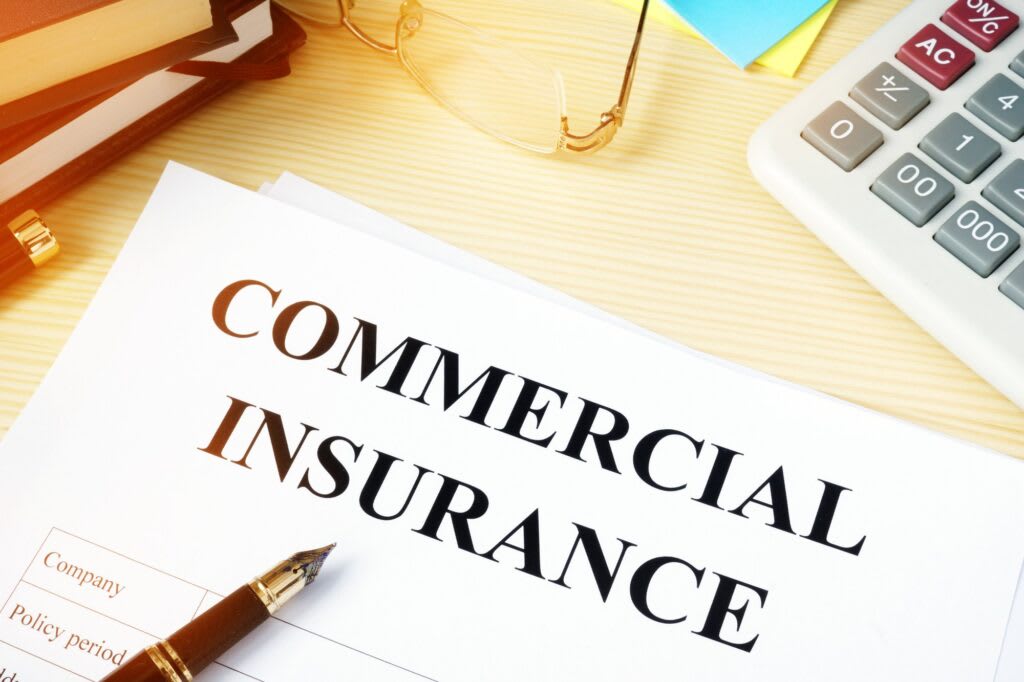
Nowadays, small and mid-sized businesses across the U.S. are facing a mix of challenges and opportunities. From the ongoing evolution of remote work and digital transformation to supply chain uncertainties and extreme weather events, the business landscape has become more unpredictable than ever. For entrepreneurs and business owners, this means one thing: risk is no longer optional—it's inevitable.
Moreover, in Florida, especially, where hurricane season and legal claims can heavily impact operations, commercial insurance in Florida is becoming a critical part of strategic planning. So, whether you run a construction firm in Tampa, a retail store in Miami, or a startup in Orlando, insurance for businesses isn't just a legal formality—it’s a smart investment that can save your enterprise from financial disaster.
But what exactly is commercial insurance, and why should it matter to you?
So, let’s dive deep into what commercial insurance is, the types you need to know, and how to choose the right plan for your business.
Commercial Insurance- Explained
Commercial insurance or business insurance is a general term that refers to a variety of policies intended to cover businesses against financial loss as a result of occurrences like property loss, lawsuits, employee injuries, theft, and natural disasters. It also protects your business’s assets, employees, and operations from unforeseen risks.
Furthermore, having the right commercial insurance policy by your side is crucial to maintain long-term stability and growth.
Why Commercial Insurance Matters More
Below are the latest trends and actual events that demonstrate the importance of business insurance:
Rising litigation risks: Small businesses are increasingly targeted in liability lawsuits. In addition, one claim alone will run tens of thousands of dollars, or hundreds of thousands, of course, in a litigious society.
Climate-related disruptions: In areas like Florida, storms, floods, and hurricanes are not rare occurrences. So, without proper coverage, recovery from such events can be financially crippling.
Cybersecurity threats: With the increase in digital operations and remote work, cyberattacks on small businesses are at an all-time high. Therefore, cyber liability insurance is becoming essential.
Economic fluctuations: Inflation and supply chain issues can affect repair and replacement costs, eventually making underinsured businesses vulnerable to financial shortfalls.
So, in this volatile climate, commercial insurance in Florida is not just a safety net. It is, moreover, a shield that allows businesses to operate with confidence.
Key Types of Commercial Insurance You Should Know
Business insurance isn’t a one-size-fits-all product. Instead, it further consists of several different policies tailored to specific risks. So, here are the most common types:
1. General Liability Insurance
This is the most prevalent form of liability insurance covering claims for:
Bodily injuries to non-employees
Property damage
Also, legal fees and settlements
Example: A customer in your store slips and falls. General liability insurance covers their medical bills and their legal bills in case they are sued.
2. Commercial Property Insurance
It ensures the physical properties of your business, including:
- Buildings
- Equipment
- Inventory
- Furniture
Moreover, it covers damages from fire, theft, vandalism, and natural disasters (though flood insurance may require a separate policy in Florida).
3. Workers’ Compensation Insurance
Required by law in most states (including Florida, depending on the number of employees), this insurance covers:
- Medical expenses for injured employees
- Lost wages
- Also, rehabilitation costs
4. Professional Liability Insurance (Errors & Omissions Insurance)
Especially important for service-based industries, this further covers negligence, errors, or omissions that result in client losses.
Example: A marketing consultant fails to deliver a promised campaign on time, eventually causing the client financial loss.
5. Business Interruption Insurance
If your business operations are interrupted by a covered event, this policy assists with:
- Lost income
- Rent and loan payments
- Also, employee wages
So, this is vital for businesses in Florida prone to hurricane-related shutdowns.
6. Commercial Auto Insurance
If your business uses vehicles, this covers damage or liability caused by business-owned or leased vehicles.
7. Cyber Liability Insurance
As cyber threats increase, this insurance protects against:
- Data breaches
- Cyberattacks
- Also, legal costs related to data loss or theft
Why Businesses in Florida Need Commercial Insurance More Than Ever
Florida is a unique business environment—beautiful but risky. Here’s why commercial insurance in Florida is a must-have:
Hurricane Risk: It is expected to be more intense than in previous years, with higher chances of storm damage.
Flood Zones: Many parts of Florida fall within flood-prone zones. The standard property insurance does not always include flood damage, and stand-alone flood policies are required.
High Litigation Rates: Florida is among the top states for personal injury lawsuits. General liability insurance is crucial.
Tourism & Retail Dependence: With a high number of seasonal businesses, disruptions like natural disasters or pandemics can have disproportionate impacts.
What Does Commercial Insurance Not Cover?
While commercial insurance provides extensive coverage, there are some exclusions to be aware of:
- Intentional damage
- Employee fraud or dishonesty (unless you have a crime insurance rider)
- Wear and tear or maintenance-related damage
- Also, Pandemics (many policies now exclude COVID-19-related claims)
Further, the best way to know what's covered is to study the fine print and speak with an experienced agent.
How Much Does Commercial Insurance Cost?
There is no flat rate for business insurance. Costs depend on:
- Business size and revenue
- Industry type and associated risk
- Location (e.g., higher premiums in Florida due to weather risks)
- Number of employees
- Coverage types and limits
How to Choose the Right Commercial Insurance Policy
Choosing the right insurance isn’t just about picking the cheapest option. So, here's how to do it right:
- Assess Your Risks: Understand the unique threats your business faces based on industry, location, and structure.
- Work with a Reputable Broker or Agent: A licensed professional can help you compare policies and ensure you don’t have coverage gaps.
- Bundle Policies: Consider a business owner's policy(BOP) consisting of general liability and property coverage at a lower premium.
- Review Regularly: As your enterprise develops, so do your dangers. So, every year or with notable changes, have a reappraisal.
- Look for Local Expertise: For those in Florida, working with insurers familiar with regional risks (like flooding and storm damage) is crucial.
Conclusion: Protect Your Business Before It’s Too Late
No matter the size or type of business you run, one thing is clear—commercial insurance is no longer optional. Therefore, it’s a fundamental tool for risk management, financial stability, and long-term success.
For businesses in risk-prone areas like Florida, having the right commercial insurance in Florida can mean the difference between a quick recovery and a permanent shutdown after disaster strikes.
So, whether you’re just starting or expanding operations, it’s time to ask yourself: “Do I have the right coverage to protect everything I’ve built?”
Don’t wait until it’s too late. Talk to a trusted agent, evaluate your options, and get the coverage your business truly needs. Because in today’s world, peace of mind is the best investment you can make.
Read this Article Also:- A qué edad se cancela el seguro del auto
About the Creator
Alba Te Ayuda
Alba Te Ayuda, an experienced insurance advisor and real estate broker offering tailored solutions across the USA. Specializing in Medicare, dental, life, home, vehicle, business insurance, and real estate services.
Keep reading
More stories from Alba Te Ayuda and writers in Longevity and other communities.
13 Ways to Lower Your Car Insurance Rate
If you’ve been feeling the pinch of rising Florida car insurance rates, you’re not alone. Car insurance premiums in Florida are among the highest in the country, with Miami being one of the most expensive cities for coverage. Several factors contribute to these high costs, including a high rate of uninsured drivers, frequent accidents, and extreme weather conditions like hurricanes. Many drivers seek help from a vehicle insurance agent in Miami to find the best deals, but understanding how to lower your premium can save you even more money.
By Alba Te Ayuda10 months ago in Longevity
Roses Are Red, Violets Are Blue: Why Valentine’s Day Flowers Need a Redo
For decades, Valentine’s Day has been defined by a familiar ritual: bouquets of red roses wrapped in cellophane, paired with a card and perhaps a box of chocolates. While the tradition remains deeply ingrained in romantic culture, florists, environmental advocates, and consumers alike are beginning to question whether the holiday’s floral customs are outdated, unsustainable, and lacking in imagination. Each year, millions of roses are flown across continents to meet demand for February 14. Most of these flowers are grown in countries such as Kenya, Ecuador, and Colombia, then transported to Europe and North America in refrigerated cargo planes. By the time they reach shops, their carbon footprint is significant. According to industry estimates, Valentine’s Day accounts for one of the largest spikes in annual flower imports, with environmental costs rarely considered by buyers. Climate experts argue that the romance of roses comes with a hidden price. Energy-intensive greenhouses, chemical fertilizers, and long-distance shipping contribute to emissions and water use in already vulnerable regions. “We’ve turned flowers into a global commodity that travels thousands of miles for a single day of use,” said one sustainability researcher. “It’s emotionally meaningful but environmentally inefficient.” The Human Cost of Cheap Blooms Beyond environmental concerns, labor conditions in flower-growing regions have drawn scrutiny. Workers often face long hours, low pay, and exposure to pesticides during peak seasons such as Valentine’s Day and Mother’s Day. Advocacy groups have called for greater transparency in flower supply chains and stronger certification systems that ensure fair wages and safer working environments. While some farms have adopted ethical standards and eco-labels, these remain the exception rather than the rule. Consumers, critics say, are rarely aware of where their flowers come from or under what conditions they were produced. A Shift in Taste and Meaning At the same time, cultural attitudes toward Valentine’s Day are evolving. Younger generations are increasingly skeptical of rigid romantic scripts and mass-produced symbols of affection. Many see traditional red roses as predictable, expensive, and disconnected from personal expression. Florists report growing interest in alternative arrangements: seasonal wildflowers, dried bouquets, potted plants, and even edible gifts such as herb baskets or fruit trees. These options are often more sustainable and last far longer than cut roses that wilt within days. “People want something that reflects their partner’s personality, not just a cliché,” said a florist in London who has replaced imported roses with locally grown winter blooms. “A bouquet of winter branches and greenery can be just as beautiful and far more meaningful.” Some couples are abandoning flowers altogether in favor of shared experiences, charitable donations, or handmade gifts. The shift suggests that romance is being redefined from spectacle to intention. The Role of Social Media Social media has played a paradoxical role in both reinforcing and challenging floral traditions. Platforms such as Instagram and TikTok have long celebrated extravagant bouquets as symbols of devotion. Viral images of luxury arrangements have driven competition and consumer pressure, encouraging larger and more expensive purchases. Yet those same platforms have also fueled a counter-movement. Sustainability influencers and florists promote “slow flowers,” a philosophy that emphasizes seasonal, local, and chemical-free blooms. Tutorials on creating minimalist or reusable floral gifts have gained traction, especially among environmentally conscious audiences. Industry at a Crossroads The global flower industry now faces a crossroads between tradition and transformation. Some large retailers have begun offering eco-certified bouquets and highlighting the origins of their flowers. Others are experimenting with carbon-offset programs and recyclable packaging. Still, critics argue that these changes remain cosmetic unless demand itself shifts. Valentine’s Day, they say, exposes the tension between emotional symbolism and modern awareness of environmental and ethical responsibility. Economists also note that price inflation has affected the holiday ritual. Rising transportation costs and climate-related crop disruptions have made roses more expensive. In some markets, prices double or triple during the Valentine’s period, pushing consumers to seek alternatives. Redefining Romance Supporters of reform insist that updating Valentine’s flowers does not mean abandoning romance. Instead, it means aligning love with values such as care, sustainability, and authenticity. A locally grown bouquet, a living plant, or even a handwritten note may better reflect long-term commitment than a mass-imported rose. Cultural historians point out that Valentine’s traditions have always evolved. The red rose itself only became dominant in the 20th century, shaped by marketing and global trade. There is nothing fixed about today’s customs. “Romance is not about what you buy,” said one social commentator. “It’s about what you communicate. And communication can take many forms.” A New Valentine’s Symbol? As awareness grows, Valentine’s Day flowers may undergo a quiet transformation. Instead of uniform red roses, future celebrations could feature diverse, personal, and eco-friendly expressions of affection. Whether through locally sourced blooms, reusable gifts, or creative alternatives, the message remains the same: love can still be celebrated — just with fewer clichés and a lighter footprint. In an age defined by climate anxiety and changing social values, even something as simple as a bouquet is being reimagined. Roses may still be red and violets still blue, but the meaning of Valentine’s flowers is slowly being rewritten.
By Fiaz Ahmed 4 days ago in Longevity




Comments
There are no comments for this story
Be the first to respond and start the conversation.