
What Can You Expect at Your First Gynaecologist Visit
Gynaecologist Visit

Every woman would have to see an ob-gyn at some point in her life. Some people with a vagina see a gynaecologist after their first period. Your gynaecologist can be your best friend with whom you can discuss different issues, including vaginal changes and reproductive issues. You can feel at ease with your gynaecologist about female health issue even if you don’t feel comfortable discussing these issues with other people.
If you’ve never visited a gynaecologist but planning to see one, you may feel nervous and not know what to expect. Below are things you should know before you schedule your first gynaecologist appointment
You must have a reason for scheduling your first gynae appointment
Health experts recommend that girls between 13 – 15 years can see a gynaecologist. This will help them start building a relationship with the gynaecologist at an early stage and discuss different topics that can help them prevent sexually transmitted diseases. These girls can also receive advice on other health care issues.
If you didn’t visit your gynaecologist at an early age, you can still schedule an appointment and ensure you visit a gynaecology clinic every year for a check-up. You want to choose a gynaecologist you feel comfortable with to have open and honest conversations about any issue that bothers you.
It is normal to be nervous, but you don’t have to feel nervous
Seeing your gynaecologist should not be an issue or make you feel nervous. However, feeling nervous when you want to see a doctor for a private or personal issue is normal. Try not to let your gynaecologist appointment overwhelm you.
You may have a female chaperone if you need a pelvic examination. Although pelvic examinations put most patients under pressure, it doesn’t cause pain. If you feel uncomfortable during your examination, you can tell the doctor and ask to stop the procedure that causes you discomfort.
You don’t have to shave or wax before your appointment
Some women prefer to shave or wax before their gynaecologist appointment. However, shaving or waxing your vagina before your gynaecological exam is not necessary. Grooming your vagina is a personal choice.
Being clean before a gynaecology appointment is a good idea, so you may consider using a vaginal hygiene wipe or showering before the visit.
You can have someone with you or have the person wait outside during your visit
If it makes you feel more comfortable, you can have a family member or friend present during your visit to the gynaecologist. Some patients prefer to have the person during their exam, and the doctor would not ask the person to leave except you request that.
Be honest with your gynaecologist
Ensure you prepare to be open and honest about your habits, sexual history, concerns, health and fears with your gynaecologist. You can only receive effective healthcare when you establish clear communication with your doctor.
Your conversations with the gynaecologist are private and protected by privacy laws, so you should feel worried about the gynaecologist giving out details of your conversations.
Rescheduling your appointment if you are on your period may be best
Getting a gynaecological exam when you are on your period is not a good idea. If you require a pap smear during your gynaecology exam, the blood may cause an inaccurate result. Hormonal changes during your periods can make a breast examination uncomfortable.
Bleeding may also make a pelvic exam messy, so you should consider rescheduling your appointment if you are on your period.
Drink water before your appointment
You may need to give your urine sample for a test during your visit to the gynaecologist. A common exam during a gynaecology visit requires you to pee in a cup. This test is known as the dipstick test, checks for certain foreign substances in the body.
The test can identify bacteria that indicate a bladder infection or sugar, which indicates diabetes.
You may not need to give a blood sample
A routine exam with your gynaecologist, you may not have your blood drawn. Drawing your blood may only be necessary if you have health issues like irregular periods or need a complete STI screening.
You may not need pelvic exams if you are below 21
Routine pelvic exam and Pap testing are not necessary for women below 21 years, except the person has a health issue that requires these screenings. Experts recommend routine Pap testing and exams for women above 21.
An internal exam is not necessary before getting the birth control pill
Having a vaginal examination before getting hormonal contraception is not necessary. However, you may consider getting an abdominal pelvic exam that does not include a genital exam. The abdominal pelvic exam can provide all the information needed to get hormonal contraception.
The timing to start hormonal contraception varies. If your period is normal, you can start the contraception after your next normal period without getting a pregnancy test.
You can see your private gynaecologist in London for your routine gynaecological exam.
About the Creator
Keep reading
More stories from Tiasa Gadot and writers in Longevity and other communities.
5 Top Tips for Choosing A New Primary Care Physician
Choosing a primary care physician is as important as taking care of your overall healthcare and is the first step in managing your overall health effectively. You should take extra precautions when selecting a private GP in London because the doctor will be the first person you visit whenever you have a medical need, medical emergency, or going for screenings or just routine checkups. In cases that require a specialist's expertise, it is your private physician that will refer you to a specialist.
By Tiasa Gadot5 years ago in Longevity
Day 4 of Quitting
If this is how sobriety feels, maybe it’s better to go through life a little buzzed… this, along with other hits like, I want to kill myself, I wish I was dead, and I’m going to throw myself off a bridge have been the only thoughts on rotation these past few days. I promise myself that if, in a month, I still feel like this (‘this’ meaning despondent, full of rage, and simultaneously numb) I can go back to smoking. Until mid-February though? Nicotine is off the table.
By sleepy drafts22 days ago in Longevity
How a Cut on the Foot Led to a Dangerous Infection While Pregnant
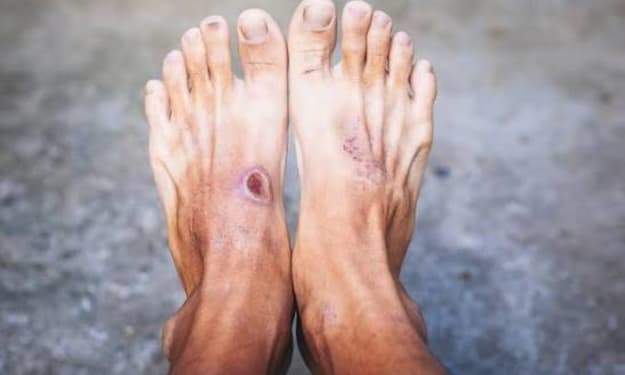
Small injuries can become serious health risks during pregnancy Pregnancy is a time when even minor injuries can have significant consequences. A simple cut on the foot, often seen as trivial, can sometimes lead to dangerous infections, particularly during pregnancy. The combination of changes in the immune system, circulation, and hormonal shifts can make pregnant individuals more vulnerable to complications. Medical professionals emphasize that prompt attention to cuts, scrapes, and wounds is essential to prevent infections that could threaten both the mother and the baby. The Case of a Cut That Escalated Consider the story of Emma, a 28-year-old pregnant woman. While gardening, she accidentally cut her foot on a thorn. Initially, she cleaned the wound, applied a bandage, and thought little of it. However, within a few days, she noticed: Redness spreading around the cut Swelling and warmth Increasing pain Mild fever By the time she sought medical care, the infection had progressed significantly. Tests revealed a bacterial infection that required immediate treatment to prevent more severe complications. Why Pregnancy Increases Risk During pregnancy, the body undergoes several changes that make infections more dangerous: Weakened Immune Response The immune system adapts to support the developing fetus, which can reduce the body’s ability to fight off bacteria effectively. Changes in Blood Circulation Increased blood volume and changes in circulation can sometimes slow the healing process and allow infections to spread more easily. Hormonal Shifts Hormones like progesterone affect skin elasticity and tissue repair, which may make cuts more susceptible to bacteria. These factors combined mean that a small cut can quickly escalate into a serious infection if not treated promptly. Signs of Infection to Watch For Medical experts recommend that pregnant individuals pay close attention to any wound, even if it seems minor. Common warning signs include: Redness and swelling beyond the cut itself Pus or unusual discharge Warmth or throbbing pain Fever or chills Rapid spreading of the affected area If any of these symptoms appear, seeking immediate medical attention is critical to prevent further complications. Potential Complications Left untreated, infections during pregnancy can lead to serious issues for both mother and baby, including: Sepsis: A life-threatening systemic infection that can spread through the body Preterm labor: Infections can trigger early contractions Low birth weight: Maternal infections may affect fetal growth Necrotizing infections: Severe bacterial infections that destroy tissue These risks underscore the importance of treating even small injuries seriously. Steps to Prevent Infection Pregnant individuals can take practical steps to reduce the risk of infection from minor cuts: Clean the Wound Immediately Use mild soap and water to remove dirt and debris. Avoid harsh chemicals that can irritate the skin. Apply an Appropriate Dressing Cover the wound with a clean bandage and change it regularly to keep the area protected. Monitor Closely Check the cut daily for redness, swelling, or discharge. Seek Prompt Medical Advice If signs of infection appear, consult a healthcare provider immediately. Antibiotics may be prescribed, and certain medications are safe to use during pregnancy under medical supervision. Maintain General Health A balanced diet, good hydration, and proper prenatal care strengthen the immune system and support wound healing. When to Contact a Doctor Even if a cut seems minor, pregnant individuals should contact a healthcare provider if: The wound does not start healing within a couple of days Redness or swelling spreads quickly There is pus, foul odor, or discharge Fever or chills develop Early treatment can prevent serious complications and ensure both mother and baby remain safe. Lessons From Real Cases Emma’s story is not unique. Healthcare providers report numerous cases where minor injuries escalated during pregnancy due to delayed care or underestimating the risks. These examples highlight the importance of awareness and taking even small injuries seriously. Pregnancy requires extra caution because the body’s natural defenses are temporarily altered, and infections can progress more rapidly than in non-pregnant individuals. Conclusion A cut on the foot may seem minor, but during pregnancy, even small wounds can lead to dangerous infections. Changes in the immune system, circulation, and hormones increase susceptibility and can make complications more severe. Pregnant individuals should treat every cut seriously, monitor for warning signs, and seek medical attention promptly. Early action can prevent serious health risks and ensure the safety of both mother and baby. This case serves as a reminder that vigilance, care, and prompt medical consultation are essential during pregnancy—even for seemingly small injuries.
By Fiaz Ahmed about 16 hours ago in Longevity
🅼🅸🅳🅽🅸🅶🅷🆃 🆂🅽🅰🅲🅺🆂
"It's 10 in Tuscon! We all know what that means... It's Time for Midnight Snacks with your man, Gerald Gee! Ready to spend the night together? Me too! I'm full of snacks and can't wait to regurgitate them all back into your hungry ears. Crack a brew! Pop some corn! Anything to get ready for one hell of a show where the talk maybe cheap but the words cut deep...
By Lamar Wiggins7 days ago in Fiction



Comments
There are no comments for this story
Be the first to respond and start the conversation.