
What are the symptoms of heart disease
heart disease

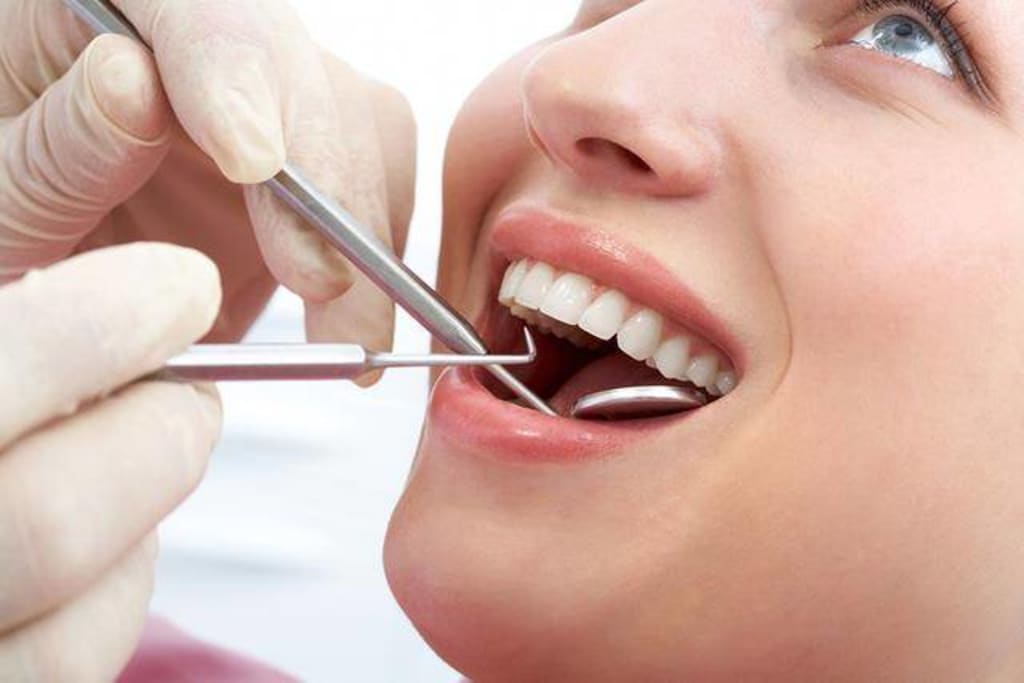
What are the symptoms of heart disease
Once a person has a heart disease, they will become very vulnerable. Some people only go for treatment when there is a major heart problem. At that time, it was really too late. Today I will introduce you to the early stage of heart disease. Symptoms. If these symptoms appear, there may be a heart problem, and treatment must be carried out as soon as possible.

1. Signal: male hair loss
Hair loss on the top of the head in young men increases the risk of heart disease. Studies have confirmed that compared with those with thick hair, the hair on the top of the head is reduced and the risk of heart disease increases by 23%, while the risk of heart disease increases by 36% in male baldness. Studies believe that male hair loss is related to androgens, which may be related to arteriosclerosis, so men who are bald must take care of their hearts.
2, signal: lower extremity edema
Fingers press down on the ankle or calf. After the fingers are loosened, the pressed part becomes a depression, which often cannot be recovered immediately, which is called "pitted edema". When the heart cannot work well and the body cannot complete the blood circulation effectively, due to gravity, fluid will be retained in the lower limbs. At this time, it is often accompanied by other symptoms of heart failure, such as frequent urination, decreased urine output, weight gain, night cough, and this kind of edema. Also called "cardiogenic edema". It first appears in the lower extremities, especially the ankles, and then gradually develops to the whole body. If this happens, you should check it quickly.
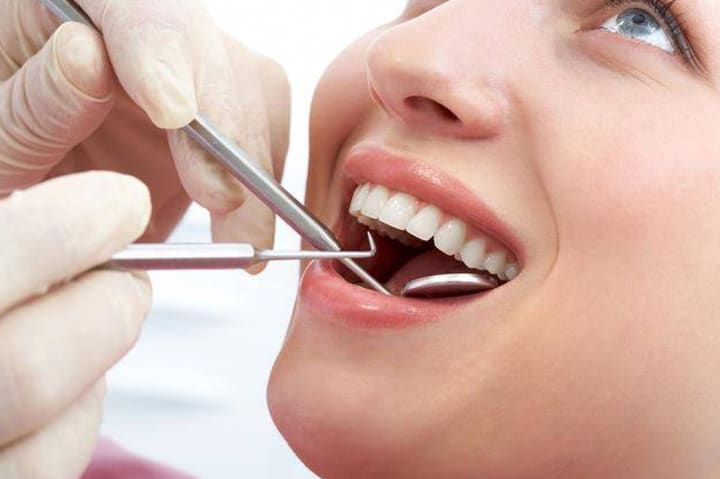
3. Signal: periodontal disease
The frequent swelling and painful gums and bleeding are a sign of poor oral hygiene and a sign that you have heart disease. Studies have confirmed that periodontal disease is closely related to heart disease, so keeping the oral cavity clean and protecting periodontal health can reduce heart disease.
4. Signal: Xanthomas appear on the skin
Xantholipoma is a fat deposition disease that mainly damages the skin. When yellow, orange nodules, papules or plaques appear on the skin, especially near the corners of the eyes, it should be considered whether it is xanthoma. These people often have lipid metabolism disorders, and the risk of heart disease also increases accordingly. Therefore, they should pay attention to their blood lipid levels, check them in time, and adjust their blood lipids to the normal range.
5. Signal: Cataract
Many studies have suggested that cataract patients have an increased risk of heart disease. Although the exact mechanism is not yet fully understood, cataract patients should undoubtedly take good care of their heart.
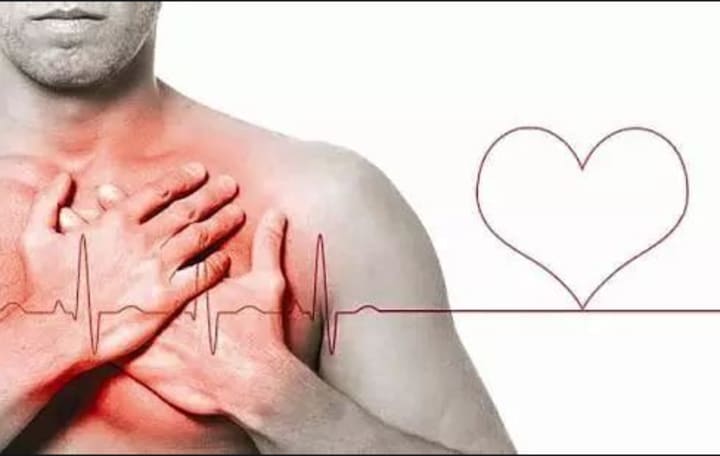
2 back to top
Early symptoms of heart disease
Common heart disease manifestations
One, congenital heart disease
Mild cases are asymptomatic. Physical examination revealed signs of squatting, clubbing (toe), pulmonary hypertension, and growth retardation in older children. The child looks pale, suffocates, has difficulty breathing and tachycardia, and has obvious cyanosis on the tip of the nose, lips, and nail bed. Children often develop abnormally, showing weakness, malnutrition, and stunted growth. Some have chest pain and fainting. Part of the perspiration is abnormal.
Two, coronary heart disease
The general symptom is a kind of squeezing pain in the center of the chest, and it can continue to the neck, arms, back, stomach, etc. There are other symptoms during the attack such as dizziness and shortness of breath, sweating, chills, and nausea. Severe patients are likely to die from heart failure.
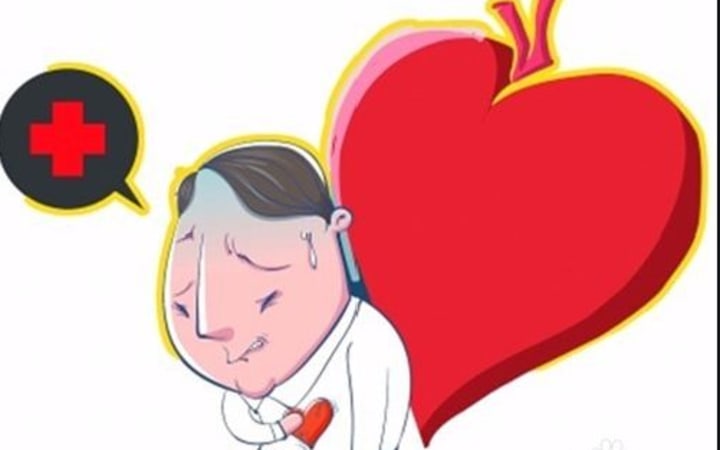
Three, rheumatic heart disease
There are often no obvious symptoms in the early stage of the illness, but in the later stage, it manifests as palpitation, shortness of breath, fatigue, coughing, limb edema, coughing pink foamy sputum, until death due to heart failure.
Excessive stress will cause the adrenal glands to secrete the stress hormone cortisol. This substance has great damage to the cardiovascular system. Long-term stress can become a hidden danger of heart disease. Therefore, we must learn to moderately decompress ourselves, relax and relax. body.
About the Creator
Keep reading
More stories from writers in Longevity and other communities.
Day 4 of Quitting
If this is how sobriety feels, maybe it’s better to go through life a little buzzed… this, along with other hits like, I want to kill myself, I wish I was dead, and I’m going to throw myself off a bridge have been the only thoughts on rotation these past few days. I promise myself that if, in a month, I still feel like this (‘this’ meaning despondent, full of rage, and simultaneously numb) I can go back to smoking. Until mid-February though? Nicotine is off the table.
By sleepy drafts24 days ago in Longevity



Comments
There are no comments for this story
Be the first to respond and start the conversation.