
What are the possible side effects of chemotherapy drugs?
Effects of chemotherapy drugs


At present, the anti-tumor chemotherapy drugs used in clinical practice all have different degrees of toxic and side effects, and some serious side effects are the direct reasons for limiting the dosage or use of the drugs.
While killing tumor cells, they also kill cells of normal tissues, especially blood and lymphoid tissue cells that grow and develop in the human body.
These cells and tissues are the body's important immune defense system. If the body's immune system is destroyed, cancer may develop rapidly and cause serious consequences.
Toxic and side effects of chemotherapy can be divided into short-term toxicity and long-term toxicity. Recent toxic reactions are divided into local reactions (such as local tissue necrosis, thrombophlebitis, etc.) and systemic reactions (including digestive tract, hematopoietic system, immune system, skin and mucosal reactions, nervous system, liver damage, cardiac reactions, etc.) Pulmonary toxicity, renal dysfunction and other reactions, etc.).
Long-term toxic reactions are mainly reproductive dysfunction, carcinogenesis, and teratogenic effects. In addition, chemotherapy can sometimes have complications due to its side effects, such as infection, bleeding, perforation, and uric acid crystals.
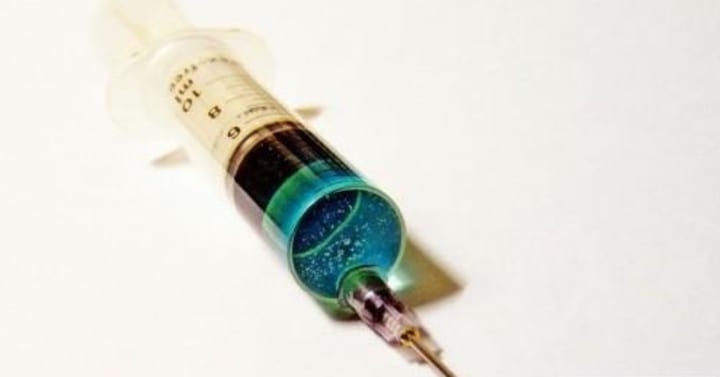
Common side effects are:
(1) Local reaction:
A stimulating chemotherapeutic drug can cause severe local reactions when injected intravenously.
A. Phlebitis: It is manifested by pain and redness in the veins used, and sometimes vein thrombosis can be seen along the veins and skin pigmentation.
B. Local tissue necrosis: When the irritating drug leaks under the skin, it can cause local histochemical inflammation, swelling and pain, even tissue necrosis and ulcers, which will not heal for a long time.
(2) Bone marrow suppression:
Most chemotherapeutic drugs have varying degrees of bone marrow suppression, and bone marrow suppression is often the dose-limiting toxicity of anti-tumor drugs.
Bone marrow suppression can manifest as leukopenia, especially granulocyte reduction in the early stage. In severe cases, platelets, red blood cells, and hemoglobin can be reduced. Different drugs have different effects on the bone marrow, so the degree of response is different. At the same time, patients can also There are manifestations of fatigue, weakness, decreased resistance, susceptibility to infection, fever, and bleeding.
(3) Gastrointestinal toxicity:
Most chemotherapy drugs can cause gastrointestinal reactions, manifested as dry mouth, loss of appetite, nausea, vomiting, and sometimes oral mucositis or ulcers. Constipation, paralytic intestinal obstruction, diarrhea, gastrointestinal bleeding and abdominal pain can also be seen.
(4) Immunosuppression:
Chemotherapeutic drugs are generally immunosuppressive drugs, which can inhibit the immune function of the body to varying degrees. The immune system of the body plays a very important role in destroying the remaining tumor cells in the body. When the immune function is low, the tumor is not easy to be controlled. Speed up the process of recurrence or metastasis.
(5) Kidney toxicity:
Some chemotherapeutic drugs can cause kidney damage, mainly manifested as acute necrosis, degeneration, interstitial edema, and tubular dilatation of renal tubular epithelial cells, and renal failure in severe cases. Patients may have low back pain, hematuria, edema, and abnormal urine tests.
(6) Liver damage:
Liver reactions caused by chemotherapy drugs can be acute and transient liver damage, including necrosis and inflammation, or chronic liver damage due to long-term medication, such as fibrosis, lipoprotective degeneration, granuloma formation, eosinophil infiltration, etc. . Clinical manifestations include abnormal liver function tests, liver pain, hepatomegaly, and jaundice.

(7) Cardiotoxicity:
Clinical manifestations can be arrhythmia, heart failure, cardiomyopathy syndrome (patients manifest as weakness, active dyspnea, episodic nocturnal dyspnea, fast pulse, fast breathing, hepatomegaly, enlarged heart, and pulmonary edema. , Edema and pleural fluid, etc.), abnormalities in the electrocardiogram.
(8) Pulmonary toxicity:
A few chemotherapeutics can cause pulmonary toxicity, manifested as pulmonary interstitial inflammation and pulmonary fibrosis. The clinical manifestations are fever, dry cough, shortness of breath, and more acute onset, accompanied by an increase in granulocytes.
(9) Neurotoxicity:
Some chemotherapy drugs can cause peripheral neuritis, manifested as numbness of the fingers (toes), loss of tendon reflexes, abnormal paresthesia, and sometimes constipation or paralytic intestinal obstruction. Some drugs can produce central nervous system toxicity, mainly manifested as paresthesias, weakened vibration sensation, numbness, tingling, gait disorders, ataxia, lethargy, mental disorders, etc.
(10) Hair loss:
Some chemotherapy drugs can cause different degrees of hair loss. Generally speaking, only hair loss is mentioned. Sometimes other hairs can also be affected. This is the result of chemotherapeutic drugs damaging the hair follicles. The degree of hair loss is usually related to the concentration and dosage of the drug.

(11) Other:
Such as hearing loss, skin rash, flushing of the face or skin, deformed nails, osteoporosis, bladder and urethral irritation, infertility, amenorrhea, sexual dysfunction, male breast enlargement, etc. can also be caused by some chemotherapy drugs.
In addition, the psychosocial sequelae caused by chemotherapy drugs cannot be ignored. Hair loss and sexual dysfunction caused by chemotherapy drugs can make patients feel inferior. Long-term chemotherapy can lead to deterioration of the patient’s general condition, weight loss, weakness, and inability to work.
The most difficult complication of chemotherapy may be the patient's fear and anxiety about chemotherapy drugs. Some symptoms may be caused by the patient's psychological factors. For example, whenever he thinks about the kind of drug he is using, some patients "smelt" a strong chemical smell and cause nausea or even vomiting. This unrealistic experience is actually an illusion, because the person who is with the patient never smells or feels any odor. This is the psychological side effect of chemotherapy drugs to the patient.
About the Creator
Keep reading
More stories from writers in Longevity and other communities.
Day 4 of Quitting
If this is how sobriety feels, maybe it’s better to go through life a little buzzed… this, along with other hits like, I want to kill myself, I wish I was dead, and I’m going to throw myself off a bridge have been the only thoughts on rotation these past few days. I promise myself that if, in a month, I still feel like this (‘this’ meaning despondent, full of rage, and simultaneously numb) I can go back to smoking. Until mid-February though? Nicotine is off the table.
By sleepy drafts24 days ago in Longevity
Instructions Included Challenge Winners
For the Instructions Included challenge, we asked writers to tell a story through instructions and to trust the form to carry what could not be said outright. Across the top entries, that trust paid off in many different ways.
By Vocal Curation Team3 days ago in Resources


Comments
There are no comments for this story
Be the first to respond and start the conversation.