
What are the early symptoms of thyroid cancer?
Early detection of thyroid cancer

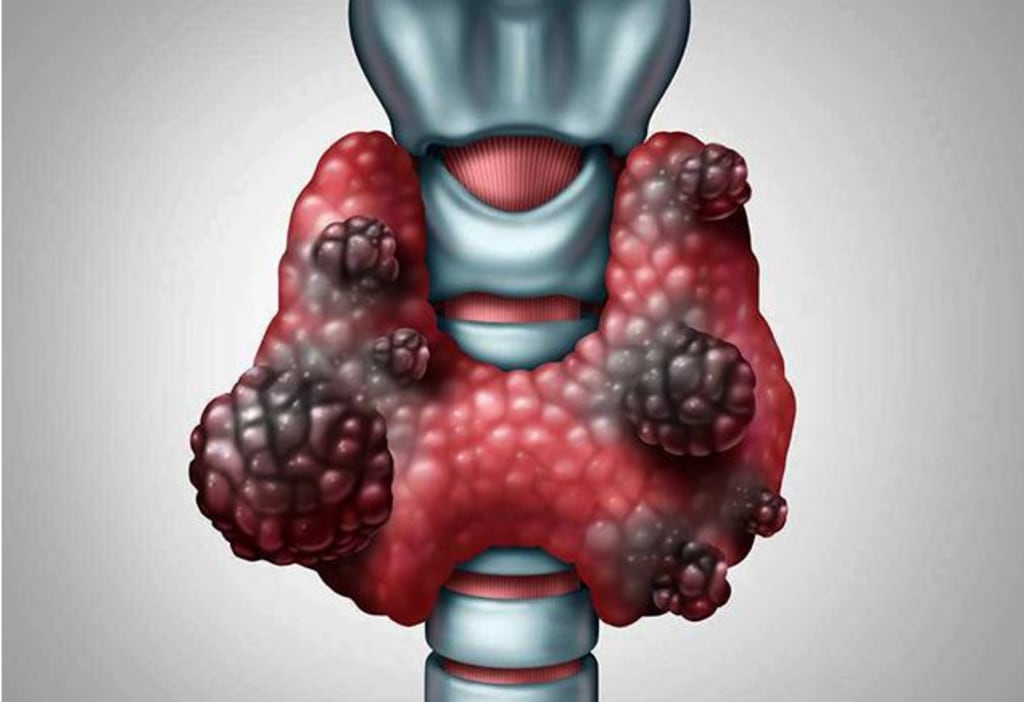
According to data, the incidence of thyroid cancer in my country continues to increase at a rate of about 20%. Among women under the age of 30 in my country, the incidence of this disease ranks first among malignant tumors, with large gender differences. The incidence of women is about three times that of men.
So what are the early manifestations of the patient when suffering from the disease?
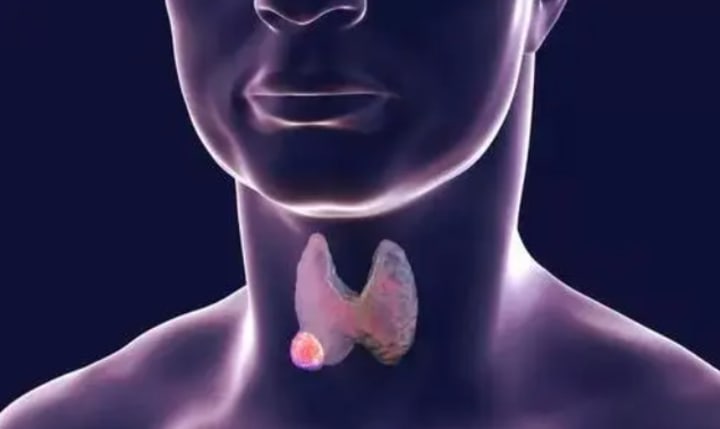
Neck lumps
The thyroid gland is located in the neck. If this area becomes cancerous, a lump will appear on the neck. Clinically, about 50% of patients will have a lump in the neck.
In addition, because there is a large amount of lymphatic tissue in the neck, the disease will spread with the lymphatic tissue or invade the lymphatic tissue, resulting in swelling of the lymph nodes.
Therefore, if an inexplicable lump is found in the neck, it is recommended to do a thyroid check in time.
hoarse voice
Because the thyroid gland does not go out of the throat, if it becomes cancerous, it will compress the trachea, causing hoarseness and difficulty speaking.
This symptom is very similar to the symptoms caused by diseases such as pharyngitis and respiratory tract infections. Many people will delay treatment due to misjudgments.
Therefore, if the voice is hoarse for a long time, in addition to considering throat and respiratory diseases, it is also necessary to be alert to the possibility of the disease.

Neck pain
People with this disease will have symptoms of radiating pain in the neck. This symptom is caused by a tumor in the neck that oppresses the surrounding tissues. Sometimes the ears, shoulders and other tissues also experience radiation pain.
Therefore, if there are unexplained symptoms of pain in the neck, you should also be alert to the possibility of the disease and go for a thyroid examination in time.
How to treat thyroid cancer?
surgery
The surgical treatment of this disease includes thyroid lobectomy, thyroidectomy, lymph node dissection, etc. The lobectomy can remove the diseased thyroid lobe and thyroid isthmus at the same time.
Because this kind of surgery still retains part of the thyroid gland, the body can also produce thyroid hormones, so patients may not need to take thyroid hormone drugs after surgery.
Thyroidectomy is suitable for patients with large lesions and serious effects on the body. After this kind of surgery, patients need to use thyroid hormone for a long time.
Lymph node dissection is suitable for patients whose cancer has spread to the lymph nodes near the neck.
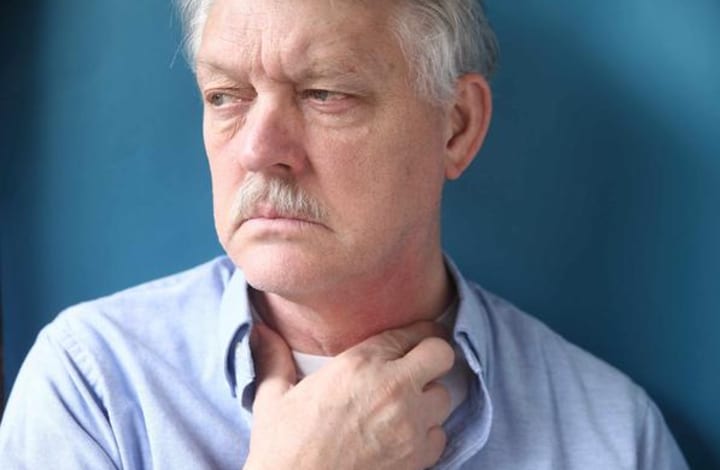
Radioiodine therapy
RAL will concentrate in thyroid cells, and then through its own radiation, destroy the thyroid and other thyroid cells that absorb iodine.
This kind of treatment generally does not affect other parts of the body, and is mainly suitable for patients whose cancer cells have spread to the neck. In addition, in order for this treatment to be more effective, patients need to ensure high levels of thyroid-stimulating hormone in their blood.
In summary, in the early stage of thyroid cancer, patients will have symptoms such as neck lumps, pain, and hoarseness. If these symptoms occur, it is recommended that patients go for laryngoscopy, ultrasound, fine needle aspiration, thyroid nuclide scan, and antibody testing in time.
After the investigation, a variety of operations, radioactive iodine or drug treatments can be performed according to the actual situation. After treatment, patients should pay attention to daily care and adjust their diet.
Generally, liquid food is the main thing after the operation, and the temperature should not be too hot or too cold to avoid spicy irritation to reduce the irritation to the surgical wound. At the same time, adjust your emotions, exercise moderately, and perform regular reviews.
About the Creator
Keep reading
More stories from writers in Longevity and other communities.
Day 4 of Quitting
If this is how sobriety feels, maybe it’s better to go through life a little buzzed… this, along with other hits like, I want to kill myself, I wish I was dead, and I’m going to throw myself off a bridge have been the only thoughts on rotation these past few days. I promise myself that if, in a month, I still feel like this (‘this’ meaning despondent, full of rage, and simultaneously numb) I can go back to smoking. Until mid-February though? Nicotine is off the table.
By sleepy drafts23 days ago in Longevity
Indonesia Receives Rafale Advanced Fighter Jets From France in Major Upgrade
Southeast Asia strengthens air power with next-generation combat aircraft Indonesia has officially received Rafale advanced fighter jets from France, marking a significant upgrade for its air force. This move strengthens Indonesia’s defense capabilities and reflects its growing commitment to modernizing its military fleet. The Rafale jets, renowned for their speed, agility, and cutting-edge technology, will play a central role in the country’s air defense strategy. The delivery comes amid a region of rising tensions and increasing security challenges, where advanced military technology is critical to maintain balance and deterrence. About the Rafale Fighter Jet The Rafale is a multirole fighter jet developed by France’s Dassault Aviation. It is considered one of the most advanced aircraft in the world, combining speed, maneuverability, and advanced weapons systems. Some key features include: Delta wing design for superior aerodynamics State-of-the-art radar and avionics for detection and targeting Multirole capabilities, able to perform air-to-air combat, air-to-ground strikes, reconnaissance, and nuclear deterrence High precision weaponry and advanced missile systems The Rafale’s versatility allows it to operate in diverse combat scenarios, making it an ideal addition to Indonesia’s growing air force fleet. Indonesia’s Defense Modernization Indonesia’s acquisition of the Rafale jets is part of a broader military modernization program. The country has been upgrading its armed forces to respond to regional security concerns, including territorial disputes in the South China Sea, maritime security threats, and transnational crimes. The introduction of Rafale jets will: Enhance air defense capabilities with superior radar, speed, and weapon systems Boost deterrence against potential threats in Southeast Asia Strengthen Indonesia’s ability to conduct joint military operations with regional allies Provide technology transfer and training opportunities for the Indonesian Air Force Experts say these jets will help Indonesia maintain strategic parity with neighboring nations and improve the country’s overall military readiness. Collaboration Between Indonesia and France The Rafale deal reflects strong defense cooperation between Indonesia and France. Beyond selling the aircraft, France provides training, maintenance support, and technology integration to ensure smooth operations. French officials emphasized that this delivery: Strengthens bilateral relations between the two countries Offers opportunities for joint exercises and knowledge sharing Ensures Indonesia can fully utilize the capabilities of the Rafale fleet The partnership also signals France’s growing role as a key defense partner in Southeast Asia, offering advanced military technology and expertise. Regional Security Implications The delivery of Rafale jets to Indonesia is closely watched by defense analysts across Asia. Southeast Asia is seeing an arms modernization trend, with countries investing in advanced fighter jets, naval vessels, and missile systems to secure their territories. For Indonesia, the Rafale: Sends a clear message of strengthened national defense Enhances the country’s air superiority in potential conflict zones Contributes to maritime security in the region, including the South China Sea Analysts believe that the jets will also allow Indonesia to participate more actively in joint military drills with allies, increasing regional stability and preparedness. Training and Operational Readiness Acquiring the jets is only part of the process. The Indonesian Air Force is undergoing intensive pilot training and technical preparation to operate and maintain the Rafale fleet effectively. Training programs include: Simulated combat exercises to familiarize pilots with advanced avionics Maintenance and repair courses for ground crews Integration of weapons and radar systems into operational routines This ensures that the jets will reach their full operational potential while minimizing risks and maximizing efficiency. Economic and Technological Benefits Beyond military capabilities, the Rafale acquisition has economic and technological benefits for Indonesia. The deal includes technology transfers and joint maintenance programs, which can: Enhance local aerospace and defense skills Create high-skilled jobs in aviation and defense sectors Provide opportunities for future collaboration in defense technology development Experts argue that such acquisitions not only improve defense readiness but also contribute to long-term industrial growth and innovation in the country. Conclusion Indonesia’s receipt of Rafale advanced fighter jets from France marks a major milestone in its military modernization journey. The jets provide cutting-edge capabilities, versatile combat options, and strategic deterrence. By partnering with France, Indonesia gains not only the aircraft but also training, technological support, and operational expertise that ensure the fleet’s effectiveness. In a region with growing security challenges and competitive military modernization, these jets enhance Indonesia’s defense posture while fostering international cooperation. For the Indonesian Air Force, the Rafale is not just an upgrade—it is a strategic leap toward advanced, reliable, and globally competitive air power.
By Fiaz Ahmed 4 days ago in Longevity



Comments
There are no comments for this story
Be the first to respond and start the conversation.