
Weight Loss Without Starving: Smart And Sustainable Tips
How to Lose Weight Fast: A Beginner’s Guide


Weight loss is a common goal for many people worldwide. Whether for health reasons or personal aesthetics, shedding excess weight can lead to numerous benefits, including improved energy levels, better mental clarity, and a lower risk of chronic diseases. However, with the abundance of diet plans and exercise programs available, it can be challenging to determine what truly works. In this article, we explore the most effective weight loss strategies backed by science.
Why Is Healthy Weight Loss Important?
Healthy weight loss is important because it benefits your overall well-being, reduces the risk of chronic diseases, and improves your quality of life. Here’s why it matters:
Reduces Health Risks
Losing weight in a healthy way can lower the risk of:
- Heart disease and high blood pressure
- Type 2 diabetes
- Stroke
- Certain cancers
- Joint problems like arthritis
Boosts Energy and Mobility
Carrying excess weight can make daily activities harder. Shedding extra pounds in a sustainable way improves stamina, flexibility, and mobility, making it easier to move around and stay active.
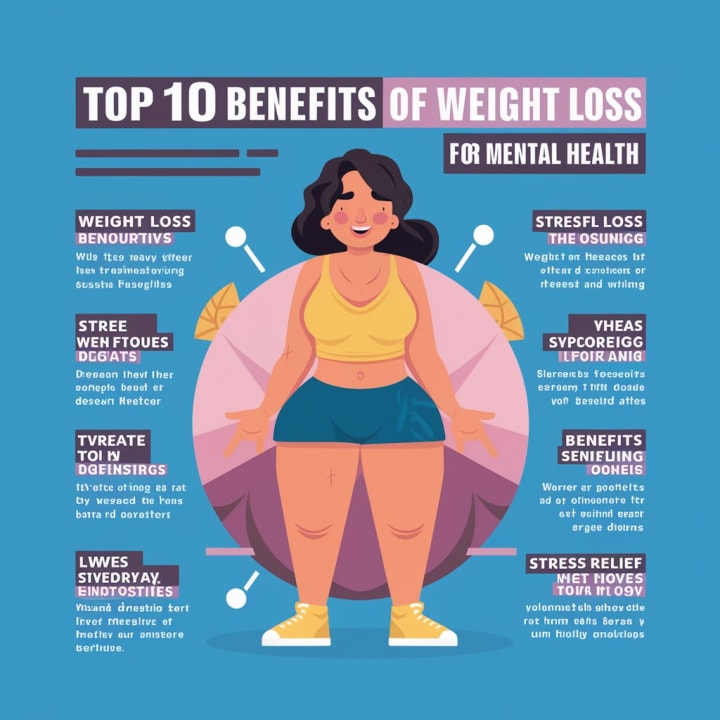
Improves Mental Health
A balanced approach to weight loss can help reduce stress, anxiety, and depression, leading to improved self-confidence and a better mood.
Promotes Better Sleep
Obesity is linked to sleep disorders like sleep apnea. Maintaining a healthy weight can improve sleep quality and energy levels.
Enhances Longevity
Studies show that maintaining a healthy weight can help you live longer and enjoy a better quality of life as you age.
Understanding Weight Loss
Weight loss occurs when you consume fewer calories than your body burns. This process is influenced by several factors, including metabolism, physical activity, and diet. A sustainable weight loss plan involves creating a calorie deficit without compromising essential nutrients.
Best Diet Plans For Weight Loss

Balanced Diet
- A diet rich in whole foods, including lean proteins, healthy fats, and complex carbohydrates, supports sustainable weight loss.
- Avoid processed foods high in sugar and unhealthy fats.
Low-Carb Diet
- Reducing carbohydrate intake can help regulate blood sugar levels and reduce hunger cravings.
- Examples include the ketogenic diet and Atkins diet.
Intermittent Fasting
- This involves cycling between periods of eating and fasting, such as the 16/8 method (16 hours of fasting and an 8-hour eating window).
- Fasting can improve metabolism and support fat loss.
Mediterranean Diet
- Focuses on whole grains, lean proteins, healthy fats (like olive oil), and fresh vegetables.
- Known for its heart-health benefits and effective weight management.
Losing weight in a healthy and sustainable way is essential for overall well-being. At HealthyLifeNew.com, we provide expert advice, practical tips, and science-backed strategies to help you achieve your weight loss goals effectively.
Exercise and Physical Activity
Combining diet with exercise enhances weight loss results. Some effective exercises include:
Cardiovascular Exercise
- Running, cycling, swimming, and brisk walking help burn calories and improve heart health.
Strength Training
- Lifting weights and resistance exercises build muscle mass, which increases metabolism and fat burning.
High-Intensity Interval Training (HIIT)
- Short bursts of intense workouts followed by rest periods maximize calorie burning in a short time.
Healthy Habits For Long-Term Success

Stay Hydrated
- Drinking enough water helps with digestion, metabolism, and appetite control.
Get Enough Sleep
- Poor sleep can lead to weight gain by affecting hunger hormones and increasing cravings.
Manage Stress
- High stress levels can lead to emotional eating and unhealthy food choices.
Mindful Eating
- Paying attention to portion sizes and eating slowly can prevent overeating.
Common Myths About Weight Loss
- Skipping meals helps lose weight: Skipping meals can slow metabolism and lead to binge eating later.
- Carbs are bad for weight loss: Healthy carbs, such as whole grains and vegetables, provide essential nutrients.
- Fat should be avoided: Healthy fats, like avocados and nuts, support weight loss and overall health.
Effective weight loss requires a balanced approach that includes a healthy diet, regular exercise, and sustainable lifestyle changes. Avoiding fad diets and focusing on long-term habits will yield the best results. By following these science-backed strategies, you can achieve and maintain a healthy weight while improving overall well-being.
Frequently Asked Questions
How fast can I lose weight safely?
A healthy and sustainable weight loss rate is 1-2 pounds per week.
What is the best diet for weight loss?
A balanced diet rich in whole foods, lean proteins, and healthy fats works best for long-term success.
Can I lose weight without exercise?
While diet plays a major role, regular physical activity enhances results and improves overall health.
Start Your Weight Loss Journey Today
=> Related Articles: Beginner’s Guide To Weight Loss: Easy Steps For Success
At HealthyLifeNew.com, we provide expert tips, meal plans, and fitness advice to help you achieve your weight loss goals in a sustainable way. Take the first step towards a healthier you today!
About the Creator
Healthy Life New
Healthy Life New | Creates A Healthy And Happy Life shares articles, tips and advice from experts, helping you live an energized, happy and long life.
Keep reading
More stories from Healthy Life New and writers in Longevity and other communities.
Lose Butt Fat: Your Guide To Achieving A Toned And Lifted Glutes
Many people desire a toned and lifted butt. If you're among them, you've come to the right place. This guide will provide you with effective strategies, combining targeted exercises, dietary adjustments, and lifestyle changes, to help you lose butt fat and sculpt the glutes you've always wanted.
By Healthy Life New12 months ago in Longevity
Day 4 of Quitting
If this is how sobriety feels, maybe it’s better to go through life a little buzzed… this, along with other hits like, I want to kill myself, I wish I was dead, and I’m going to throw myself off a bridge have been the only thoughts on rotation these past few days. I promise myself that if, in a month, I still feel like this (‘this’ meaning despondent, full of rage, and simultaneously numb) I can go back to smoking. Until mid-February though? Nicotine is off the table.
By sleepy drafts24 days ago in Longevity
Catherine Joins Wellbeing Walk in the Peak District
A public moment that highlights the power of nature, recovery, and mental health Catherine’s recent wellbeing walk in the Peak District has drawn widespread attention, not just because of who she is, but because of what the moment represents. Taking part in a gentle walk through one of Britain’s most scenic national parks, Catherine highlighted the growing importance of mental health, recovery, and the healing role of nature in everyday life. The event was calm and understated, yet deeply symbolic. It showed how time outdoors, simple movement, and connection with others can support wellbeing—messages that resonate strongly with people across the UK and beyond. A Walk With a Purpose The wellbeing walk was designed to promote the benefits of physical activity and time in nature for mental and emotional health. Rather than focusing on performance or distance, the walk emphasized mindfulness, reflection, and shared experience. Catherine’s participation added visibility to the initiative, encouraging people of all ages to consider how small, manageable activities can make a meaningful difference to overall wellbeing. Her presence reinforced the idea that wellness is not about perfection, but about balance and consistency. Why the Peak District Matters The Peak District, known for its rolling hills, open landscapes, and quiet trails, provided an ideal setting for the event. As the UK’s first national park, it has long been associated with: Accessibility to nature Mental clarity and stress reduction Physical activity for all ability levels Studies have shown that spending time in green spaces can reduce anxiety, improve mood, and support long-term mental health. By choosing the Peak District, the walk highlighted how local natural spaces can be powerful tools for wellbeing. The Link Between Nature and Mental Health Mental health professionals often emphasize the value of nature-based activities. Walking outdoors offers several benefits: Gentle exercise that supports heart and joint health Reduced stress through fresh air and natural surroundings Improved focus and emotional balance Opportunities for social connection Catherine’s involvement helped bring these benefits into public conversation, encouraging people to prioritize their mental health in simple, practical ways. A Message of Balance and Recovery While the walk itself was modest, its message was significant. Catherine’s participation reflected a broader shift toward open conversations about health, recovery, and self-care. Public figures increasingly use their platforms to normalize rest, reflection, and gradual healing. By choosing a low-pressure, nature-focused event, Catherine demonstrated that wellbeing does not require dramatic gestures. Sometimes, progress comes through small steps, taken consistently and with intention. Public Response and Awareness The public response to the wellbeing walk was largely positive. Many people praised the focus on mental health and the reminder that: Wellness looks different for everyone Recovery is not linear Taking time for oneself is not a weakness Social media discussions reflected appreciation for the walk’s simplicity and authenticity. For many, it served as a reminder to slow down and reconnect with both nature and personal wellbeing. Encouraging Community Participation Beyond the symbolic value, the event also encouraged community engagement. Wellbeing walks are accessible, low-cost activities that can be organized by: Local councils Health organizations Community groups Schools and workplaces Catherine’s involvement helped raise awareness of how communities can support mental health through inclusive outdoor activities. The Role of Public Figures in Mental Health Advocacy Public figures have a unique ability to shape conversations around health. When they participate in events like wellbeing walks, they help: Reduce stigma around mental health Encourage early self-care Promote healthier lifestyle choices Catherine’s presence sent a clear message that mental health deserves attention and care, regardless of status or background. Looking Ahead The wellbeing walk in the Peak District may seem like a small moment, but its impact extends beyond a single day. It reinforces the importance of: Staying active in gentle, sustainable ways Using nature as a source of healing Supporting open dialogue about mental health As more people seek balance in a fast-paced world, events like this offer a reminder that wellbeing often begins with simple actions and mindful choices. Conclusion Catherine joining a wellbeing walk in the Peak District was more than a public appearance—it was a statement about the value of nature, movement, and mental health. The event highlighted how small, intentional activities can support recovery and emotional wellbeing. By choosing a peaceful walk in one of the UK’s most beautiful landscapes, Catherine helped amplify a message that resonates widely: taking care of mental health starts with slowing down, stepping outside, and taking one step at a time.
By Fiaz Ahmed 2 days ago in Longevity




Comments
There are no comments for this story
Be the first to respond and start the conversation.