

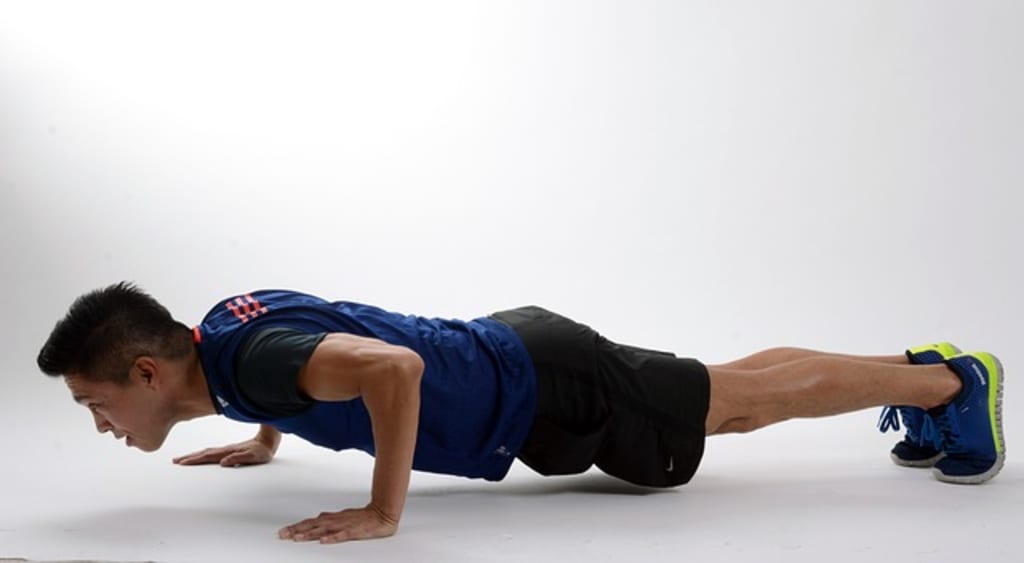
Tabata workouts are a form of high-intensity interval training (HIIT) named after Japanese scientist Dr. Izumi Tabata. This type of workout involves short bursts of intense exercise followed by brief periods of rest. A typical Tabata workout lasts for only four minutes and consists of eight rounds of exercise, with each round lasting 20 seconds of intense activity followed by 10 seconds of rest.
The primary goal of Tabata workouts is to improve cardiovascular fitness, but they can also have a significant impact on weight loss. Here's how Tabata workouts contribute to weight loss:
High Intensity: Tabata workouts are highly intense, pushing your body to its maximum effort during each 20-second exercise interval. This level of intensity helps to burn a significant number of calories in a short amount of time. The harder you work during the exercise intervals, the more calories you'll burn.
Increased Metabolism: The intense nature of Tabata workouts leads to a significant increase in your metabolic rate. This effect, known as excess post-exercise oxygen consumption (EPOC), means that your body continues to burn calories even after the workout is over. The EPOC effect can last for several hours, resulting in additional calorie burn and contributing to weight loss.
Muscle Building: These workouts often involve exercises that target multiple muscle groups simultaneously, such as burpees, squats, or mountain climbers. The combination of high-intensity cardio and resistance exercises helps to build lean muscle mass. Since muscle is metabolically active tissue, having more muscle increases your resting metabolic rate, leading to a higher calorie burn throughout the day.
Time Efficiency: One of the key advantages of Tabata workouts for weight loss is their time efficiency. With just four minutes of intense exercise, you can achieve a similar calorie burn and metabolic impact as much longer, moderate-intensity workouts. This makes Tabata workouts a suitable option for those with busy schedules or limited time for exercise.
Improved Fat Burning: Tabata workouts primarily rely on carbohydrates as a fuel source during the intense exercise intervals. However, the high-intensity nature of the workout stimulates the body's production of growth hormone and triggers various metabolic adaptations. These adaptations enhance fat burning during both the workout and the recovery period, promoting weight loss and body fat reduction.
While these workouts can be highly effective for weight loss, it's important to note that they should be incorporated into a well-rounded fitness routine. Including strength training, flexibility exercises, and a balanced diet are crucial for achieving optimal weight loss results and overall health.
Before starting any high-intensity exercise program like Tabata workouts, it's advisable to consult with a healthcare professional or certified fitness trainer to ensure it aligns with your current fitness level and any specific health considerations you may have.
Who should avoid tabata
While Tabata workouts can be highly effective for many individuals, there are certain cases where it may be advisable to avoid or modify Tabata workouts. Here are some groups of people who should approach Tabata workouts with caution or consult with a healthcare professional before incorporating them into their fitness routine:
Beginners or Those with Low Fitness Levels: Tabata workouts are intense and require a certain level of cardiovascular and muscular endurance. If you are new to exercise or have a low fitness level, it's recommended to start with lower-intensity workouts and gradually build up your fitness before attempting Tabata. Beginning with moderate-intensity exercises and gradually increasing the intensity over time can help prevent injuries and avoid overwhelming physical stress.
Individuals with Certain Health Conditions: If you have any pre-existing health conditions or concerns, such as cardiovascular issues, respiratory problems, joint or musculoskeletal disorders, or any other chronic health condition, it's important to consult with a healthcare professional before attempting Tabata workouts. They can assess your specific situation and provide appropriate guidance based on your individual needs and limitations.
Pregnant Women: Pregnancy places unique physiological demands on the body, and high-intensity exercises like Tabata may not be suitable for everyone during this time. It's important for pregnant women to consult with their healthcare provider or a prenatal exercise specialist who can provide guidance on safe and appropriate exercises during pregnancy.
Those Recovering from Injuries: If you're recovering from an injury or have recently undergone surgery, it's crucial to prioritize your recovery and follow any specific rehabilitation protocols provided by your healthcare professional. Engaging in high-intensity workouts like Tabata too soon after an injury or surgery can hinder the healing process and potentially lead to further complications. It's best to consult with a physical therapist or qualified professional who can guide you on appropriate exercises and progressions for your specific condition.
Remember, everyone's fitness level and health considerations are unique. It's always a good idea to consult with a healthcare professional or certified fitness trainer who can evaluate your individual circumstances and provide personalized advice on whether Tabata workouts are suitable for you or if modifications are needed to ensure your safety and well-being during exercise.
https://www.slimbodies7.com/
About the Creator
slimbodies7
As a health and fitness trainer with over 20 years of experience, I have seen the industry evolve and change in many ways. Through it all, one thing has remained constant: the importance of experience in health and fitness training.
Keep reading
More stories from slimbodies7 and writers in Longevity and other communities.
What Happens to Your Body When You Skip Meals Regularly
“I’ll eat later.” “I’m not that hungry.” “I’m too busy.” For many university students, skipping meals feels normal. But when student irregular eating becomes a habit, your body starts responding in ways you might not immediately notice.
By Being Inquisitive7 days ago in Longevity
The Weight of a Touch: Why My best Training Equipment Isn't made of Iron
The Weight of a Touch: Why My Best Training Equipment Isn't Made of Iron The air in a commercial gym is thick with more than just the smell of rubber mats and recycled oxygen. If you stop moving for a second and just observe, you’ll feel it—a heavy, invisible fog of human ambition, deep-seated anxiety, and the restless energy of people trying to outrun their own shadows. Most personal trainers see this environment as a simple workspace where calories are burned and muscles are built. But for me, the gym floor is a sanctuary where two souls meet in a very raw, vulnerable state. And because of what I’ve survived, I refuse to walk onto that floor without a very specific kind of protection.
By Feliks Karić7 days ago in Longevity


Comments
There are no comments for this story
Be the first to respond and start the conversation.