
Uterine Fibroids: Key Symptoms, Causes, and Treatment Options
Every detail about the uterine fibroids that women should know

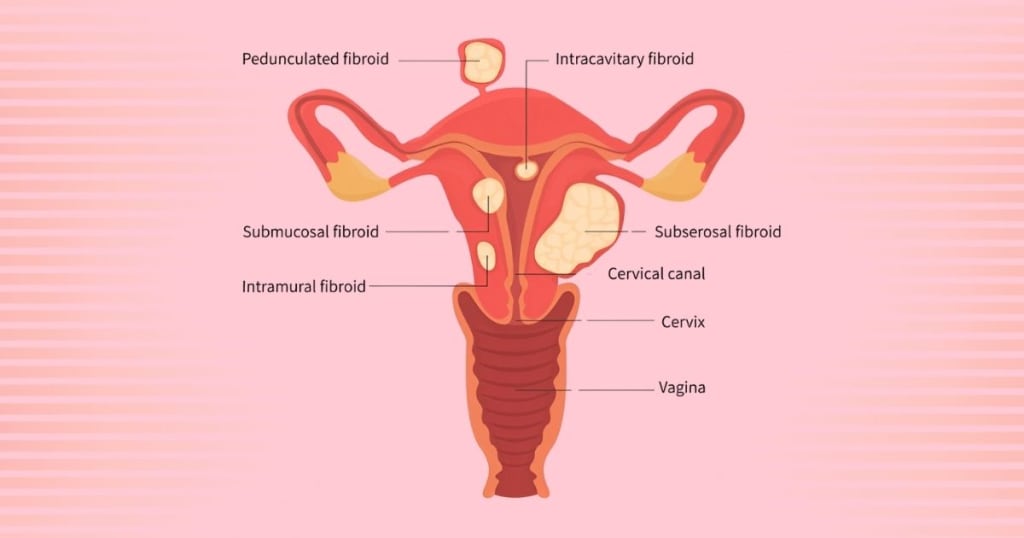
Menstruation is not a very simple phase for every woman, especially if someone bleeds too much or feels pain at that time. In some cases, it is expected to cause pain, but if these symptoms get worse day by day, then you need to visit a gynecologist. Uterine Fibroid could cause this pain or heavy bleeding.
What is Uterine Fibroid?
Another medical name for uterine fibroids is leiomyomas, which is a non-cancerous growth that grows in the uterus. It also appears in different sizes and mostly pops up after twenties. Some women with Fibroid do not have any symptoms as well. In simple words, this is one kind of tumor that grows in or on the walls of the uterus. It is a smooth muscle cell or a connective tissue that develops over time. Fibroid can be as small as a lemon seed or as big as a grape as well.
Symptoms of Uterine Fibroid
Some women do not experience any symptoms of Uterine Fibroid. But in some cases, you can find out if it goes wrong with you by pointing out some of the symptoms of Uterine Fibroids. The location, size, and number of Fibroids influence these symptoms.
Some most common symptoms of Uterine Fibroids are given below:
- Heavy bleeding or painful periods.
- Unnatural or longer or frequent periods.
- Feeling pressure in the lower body during periods.
- Developing stomach area unnaturally.
- Frequent urination.
- Constipation.
- Feeling unnatural pain in the lower back or stomach during sex.
Some people also have fertility problems due to the Uterine Fibroid. As per the report, removing uterine fibroids can improve the rates of conception as well.
Causes of Uterine Fibroid
There is no exact cause of Uterine Fibroids, but some factors are there that can contribute to this condition. Let’s find out some of them;
- Genetic factors are one of the most common causes. In this case, heredity plays a significant role in increasing the risk of Uterine Fibroids.
- Two hormones called estrogen and progesterone can grow Fibroids inside of the uterus.
- Having alcohol and red meat can also increase the chances of Uterine Fibroid as well.
- Not having proper vitamin, protein, and fibre supplements can increase the risk of Uterine Fibroids.
- Being overweight and obese can also develop Uterine Fibroid.
Types of Uterine Fibroid
There are 4 types of Fibroids and the classification depends on the location in the uterus.
- Subserosal Fibroid – This is the most common Uterine Fibroid. It grows on the outside of the uterus and does not need treatment initially. Heavy bleeding during periods is a typical symptom of Subserosal Fibroids.
- Intramural Fibroid—This type of fibroid grows inside the wall of the uterus. Depending on its size and position, it can cause symptoms such as extended periods, feeling pressure in the stomach, and infertility.
- Submucosal Fibroid—This type of fibroid grows into the open area inside the uterus. It also impacts fertility, so it needs treatment as soon as possible. The main symptom is irregular bleeding.
- Pedunculated Fibroids: Pedunculated fibroids are a different type of Fibroids as they can grow anywhere in the uterus. They have very mild symptoms.
Prevention
It is not possible to prevent Uterine Fibroid but you can ignore this condition with the help of certain lifestyle habits. Let’s find out some helpful habits now.
- You have to maintain a low-sugar diet.
- Have vegetables and fruits.
- Regular exercise can help you to keep you healthy.
- 8 hours of sleep.
- Consult with your doctor before taking any medicine.
- Have 2 to 3 liters of water per day.
These habits can also be very helpful for any type of Fibroid as well.
New treatment for Uterine Fibroid without surgery
Is it possible to remove Uterine Fibroid without surgery? Yes, If you have Uterine Fibroid, then it can be removed without surgery. First, you need to take advice for primary care from doctors. They will recommend you the process to get relief from heavy bleeding and pain. Their recommendation will be dependent on the symptoms, size, and location of the Uterine Fibroid. There are some non-surgical treatments there that can help you to get relief from any Fibroid. Such as,
- Medication
- Focused ultrasound
- Acessa Lap RFA
- Vitamin D
- Anti-inflammatory drugs
- Healthy lifestyle
Final thought
Patients need to find out which treatment option will be best for their needs. We will highly recommend non-surgical treatments for Uterine Fibroids. It may take a long time to recover, but it will heal your body from the gist. The most important part is to remember that uterine fibroids can be removed successfully without surgery, and they have been used for over 20 years now.
About the Creator
Amit Vats
Amit is an excellent writer and has accomplished greater heights with sound knowledge on digital marketing. His articles are focused on technology, healthcare and creative arts and have been read by people around the world.
The Power of Black Coffee: Benefits, Nutrients, and Uses (Heath Tips)
Introduction: Black coffee is one of the most popular drinks in the world. Millions of people enjoy it every day, especially in the morning, because it helps them feel fresh, active, and focused.
By Health Tips6 days ago in Longevity



Comments
There are no comments for this story
Be the first to respond and start the conversation.