
Unmasking the Silent Killer: Understanding Malaria and its Impact on Health
Exploring the Intricacies of Malaria: From Transmission to Treatment
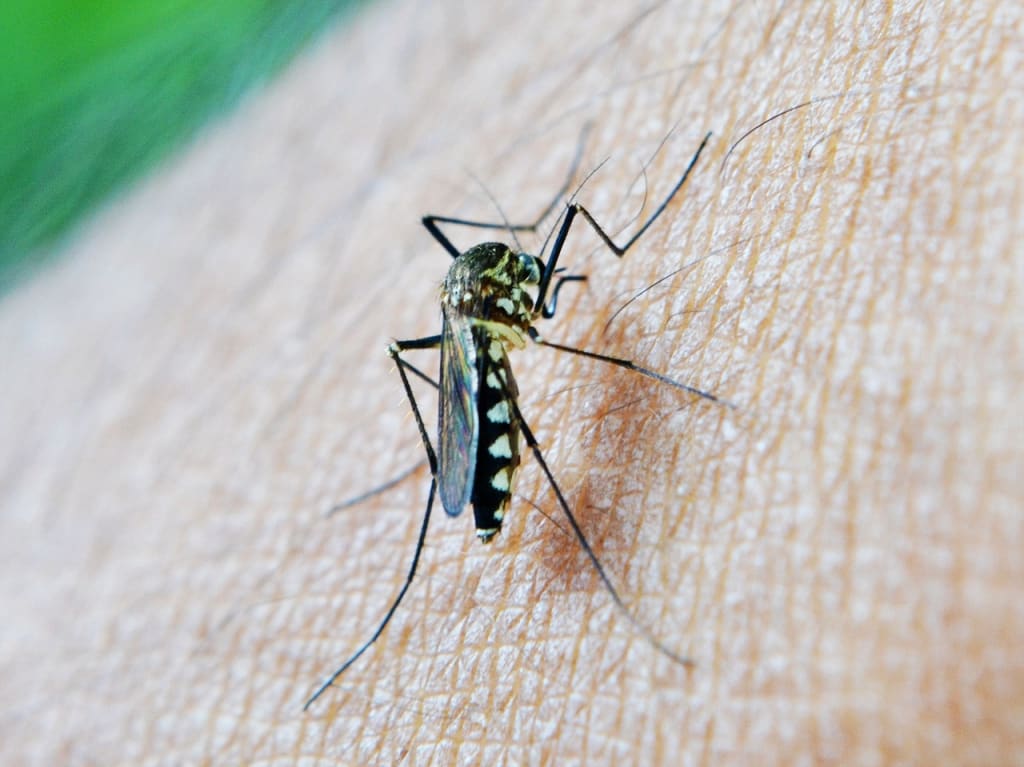
Embark on a Journey to Uncover the Truth Behind Malaria's Lurking Threat
Introduction:
Malaria, an ancient and relentless disease, continues to haunt millions of people worldwide. This parasitic infection, transmitted through the bite of infected mosquitoes, wreaks havoc on individuals and communities, particularly in tropical and subtropical regions. In this article, we delve into the intricacies of malaria, shedding light on its symptoms, treatment options, modes of transmission, and the battle to eliminate this global health threat. Join us as we uncover the truth behind malaria and its impact on human lives.
What Happens if You Get Malaria?
Once infected with the malaria parasite, an individual may experience a range of symptoms, including fever, chills, headache, muscle aches, and fatigue. These flu-like symptoms often appear within 10 to 15 days after the mosquito bite. If left untreated or in severe cases, malaria can lead to complications such as organ failure, anemia, respiratory distress, and even death. Vulnerable populations, including young children and pregnant women, are at a higher risk of severe illness and mortality.
Conquer the Silent Assassin: Unveiling the Power to Eradicate Malaria
Can Malaria Be Cured?
Fortunately, malaria can be treated and cured with appropriate medical intervention. The choice of treatment depends on several factors, including the species of malaria parasite, the severity of the infection, and the geographical location. Antimalarial drugs, such as artemisinin-based combination therapies (ACTs), are commonly used to combat the infection. These medications work by targeting the parasite at different stages of its lifecycle, ensuring its complete eradication from the body. Early diagnosis and prompt treatment are crucial in preventing complications and reducing the risk of transmission.
How Does Malaria Spread?
Malaria is primarily transmitted through the bite of female Anopheles mosquitoes infected with the Plasmodium parasite. When an infected mosquito bites a person, the parasite enters the bloodstream and travels to the liver, where it matures and multiplies. After a few days, the parasites are released into the bloodstream, invading red blood cells and causing the characteristic symptoms of malaria. It is important to note that malaria cannot spread through casual contact or from person to person like a common cold or flu.
What Kills Malaria?
Efforts to combat malaria involve a multi-pronged approach, targeting both the prevention and treatment of the disease. Key strategies include:
1. Vector Control: Mosquito control measures, such as insecticide-treated bed nets and indoor residual spraying, are essential in reducing mosquito populations and preventing bites. These interventions have proven effective in curbing malaria transmission.
2. Antimalarial Medications: The use of antimalarial drugs, as mentioned earlier, is vital in treating and curing malaria. Access to effective medications, particularly in high-burden regions, is crucial in saving lives and preventing the spread of the disease.
3. Research and Development: Ongoing research aims to develop new drugs, vaccines, and innovative tools for malaria prevention and control. Scientists and organizations worldwide are tirelessly working towards finding breakthroughs to eliminate malaria.
4. Education and Awareness: Raising awareness about malaria, its symptoms, prevention methods, and treatment options is essential in empowering individuals and communities to take proactive measures against the disease. Education campaigns and community engagement play a pivotal role in reducing malaria-related morbidity and mortality.
Conclusion:
Malaria continues to cast a dark shadow over global health, affecting millions of lives each year. However, with concerted efforts and continued investments in research, prevention, and treatment, progress is being made towards eliminating this silent killer. By understanding the symptoms, modes of transmission, and available treatment options, we can take proactive steps to protect ourselves and our communities from malaria's lurking threat. Together, let us strive towards a malaria-free world, where every individual can enjoy good health and a brighter future.
About the Creator
Day 4 of Quitting
If this is how sobriety feels, maybe it’s better to go through life a little buzzed… this, along with other hits like, I want to kill myself, I wish I was dead, and I’m going to throw myself off a bridge have been the only thoughts on rotation these past few days. I promise myself that if, in a month, I still feel like this (‘this’ meaning despondent, full of rage, and simultaneously numb) I can go back to smoking. Until mid-February though? Nicotine is off the table.
By sleepy drafts10 days ago in Longevity
United States Active Pharmaceutical Ingredients Market Size and Forecast 2025–2033
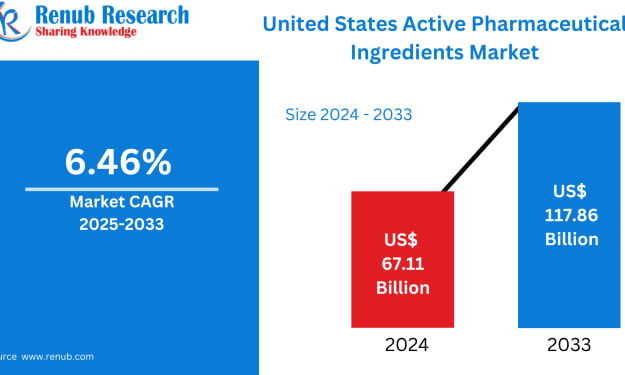
United States Active Pharmaceutical Ingredients Market The U.S. Active Pharmaceutical Ingredients (API) Market is anticipated to grow from US$ 67.11 billion in 2024 to US$ 117.86 billion in 2033, registering a CAGR of 6.46% during 2025–2033. This robust expansion is fueled by the rising demand for both branded and generic drugs, the increasing burden of chronic diseases, and rapid innovation in biopharmaceutical research. As the backbone of every therapeutic product, APIs are becoming increasingly strategic to healthcare security, drug affordability, and pharmaceutical competitiveness in the United States.
By jaiklin Fanandish2 days ago in Longevity
Miss Persephone's Manual to a Seemingly Ordinary Life
Miss Persephone was found at the dining table, her blue eyes swollen, her tears arriving and retreating like the tides of the ocean. Earlier that day, her family had visited her in the retirement home where she had lived for eight years. It was her eightieth birthday.
By Imola Tóth2 days ago in Fiction



Comments
There are no comments for this story
Be the first to respond and start the conversation.